
Late Afternoon (2017)
Director: Louise Bagnall
Screenwriter: Louise Bagnall
Starring: Fionnula Flanagan, Louise Bagnall, Aislin Konings Ferrari, Michael McGrath, Niamh Moyles, Caoimhe Ní Bhrádaigh, Lucy O’Connell
Production: Cartoon Saloon | Notable: Academy Award nominated short animation
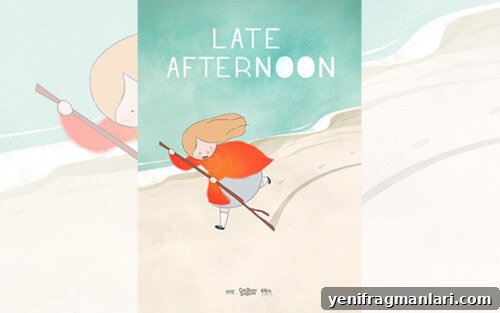
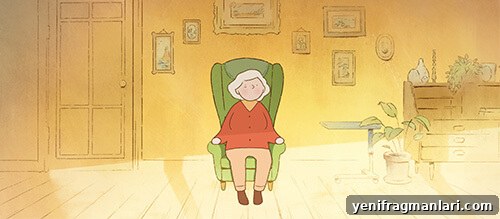
Louise Bagnall’s Late Afternoon is a tender, thoughtfully crafted short that explores the fragile terrain of memory and identity in old age. Playing out in a gentle sequence of memory-triggered vignettes, the film follows Emily, an elderly woman whose life is refracted through small everyday objects and fleeting recollections. The result is an emotionally rich animated piece that treats dementia and loss with empathy, dignity, and a humane eye for detail.
The film’s premise is elegantly simple: a broken biscuit, a familiar song, a smell or a sudden flash of light can unlock decades for Emily, transporting her into moments of childhood, youth and family life. Those moments are not presented as linear flashbacks but as fluid, booklike pages that fold and float, reflecting the way memory itself can be fragmented and strangely luminous. That bookish storytelling and the deliberate, storybook visual design give the film a timeless quality that feels intimate and immediate at once.
Animation is central to the film’s power. Cartoon Saloon’s aesthetic choices—soft textures, warm color palettes, and expressive yet restrained character animation—allow the viewer to inhabit Emily’s perspective. Scenes transition seamlessly between the present and recalled moments, using motion and composition to show how memories intrude upon daily life. The creative choices in staging and visual metaphor make abstract cognitive decline comprehensible without ever becoming didactic or sentimental.
Colm Mac Con Iomaire’s score plays a vital role in shaping the emotional landscape. The music is unobtrusive but precise, opening spaces for reflection and swelling at just the right moments to underline shifts in Emily’s awareness. This collaboration between sound and image enhances the short’s pacing: brief, dreamlike memory sequences build to a quiet emotional arc that resonates beyond the film’s short runtime.
Performance-wise, Fionnula Flanagan delivers a delicate vocal presence that anchors Emily’s inner life. The voice work—paired with the animation—conveys confusion, warmth, and flashes of recognition in ways that feel authentic and compassionate. Supporting characters and small moments of domestic life add texture, reminding the viewer that memory loss affects not only the person experiencing it but also those who care for them.
What makes Late Afternoon stand out is its refusal to reduce its subject to tragedy alone. While the film confronts the fear and sadness that accompany losing one’s sense of self, it also celebrates the resilience found in remembered moments: a childhood day at the beach, the glow of love, the simple pleasures that shape a life. The film finds hope in small recoveries—brief, bright revelations that affirm personhood even as memory fades.
This short is an example of how animation can tackle complex, adult themes with clarity and heart. It is finely paced, visually inventive, and emotionally intelligent—qualities that earned it international recognition and an Academy Award nomination. For viewers seeking a compassionate depiction of aging and memory, Late Afternoon offers a powerful, humane experience.
Score: 23/24