
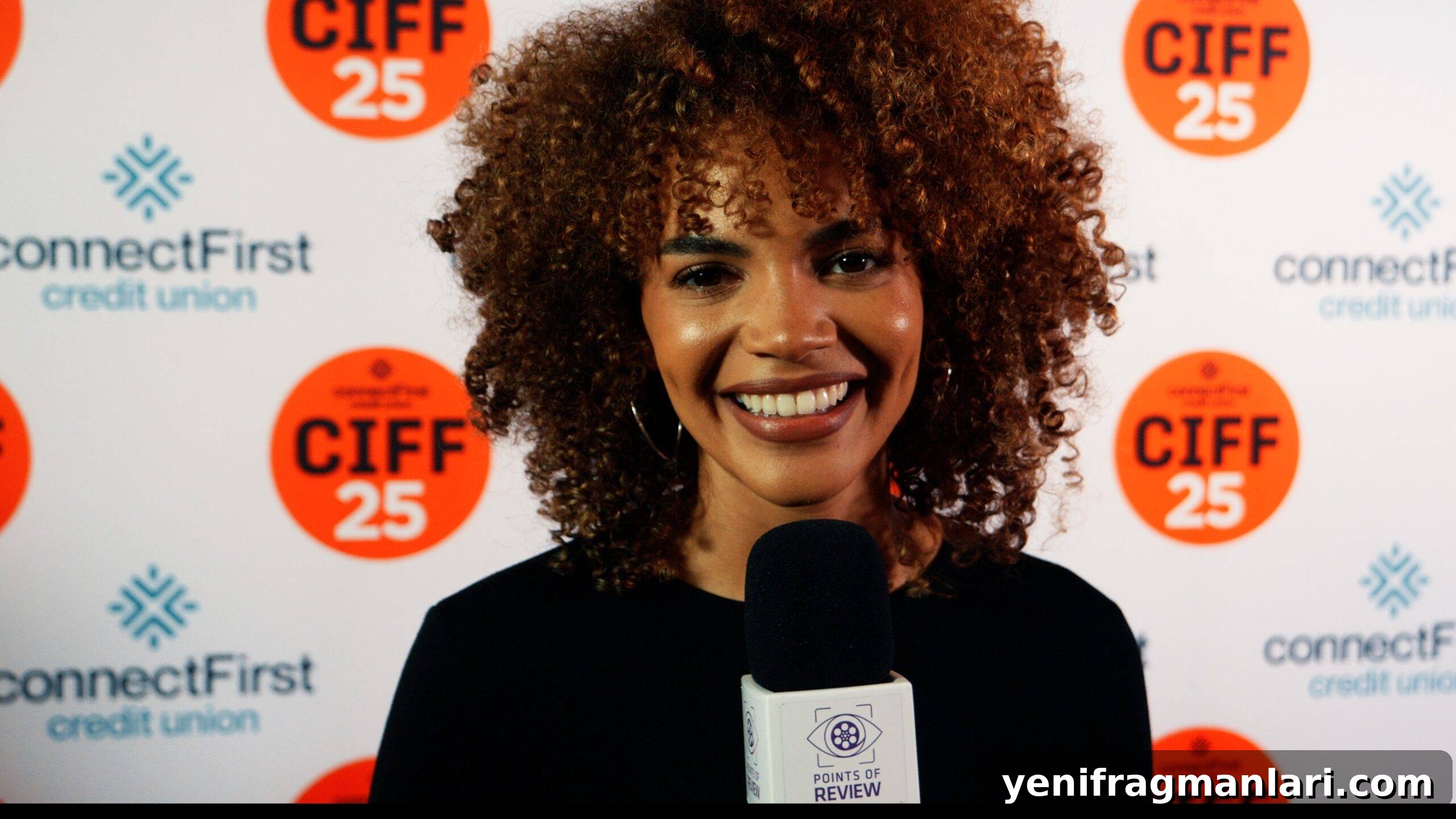
Leslie Grace and Elliott Lester at the Canadian Premiere of THE THICKET | Calgary International Film Festival
Ahead of the Canadian premiere of The Thicket at the 25th Calgary International Film Festival, I spoke with lead actor Leslie Grace and director Elliott Lester about the film’s distinctive “punk rock” take on the Western, the challenges of production and working with a remarkable ensemble cast.
Adam Manery: Leslie, your career began in music where you achieved notable success. Elliott, you built early recognition directing music videos for artists such as The Fray and Avril Lavigne. How does your approach change between music and film, and what draws you to projects across different mediums?
Elliott Lester: Working in music videos and feature films is both different and similar. A music video is a concentrated form — you have a few minutes to capture a performance and a mood, not always a full narrative. A film gives you far more time to develop characters and multiple storylines. For a director, music videos are excellent training: they teach you how to use a camera, shape performances and solve problems quickly. When you step up to a feature, the fundamentals are the same — camera, cast, collaborators — but the scale and storytelling demands increase. Ultimately, you hope everything comes together on the day.
Leslie Grace: For me, it’s always been about the experience of performing and connecting with people. Since childhood I loved the feeling of conveying emotion that makes others feel or empathize. As an adult, being able to challenge myself with different characters while also making a living from that work is what motivates me. Each project is an opportunity to learn more about craft and about myself.
Adam Manery: What were the biggest challenges while shooting The Thicket?
Leslie Grace: There were many, but the most obvious was the weather. Calgary winters are brutal and unforgettable. Shooting a period piece in deep cold and snow is unlike any other experience I’ve had. It tested our endurance and required a lot of careful planning and discipline, but the results were striking — those landscapes added authenticity and beauty that we couldn’t have created on a soundstage.
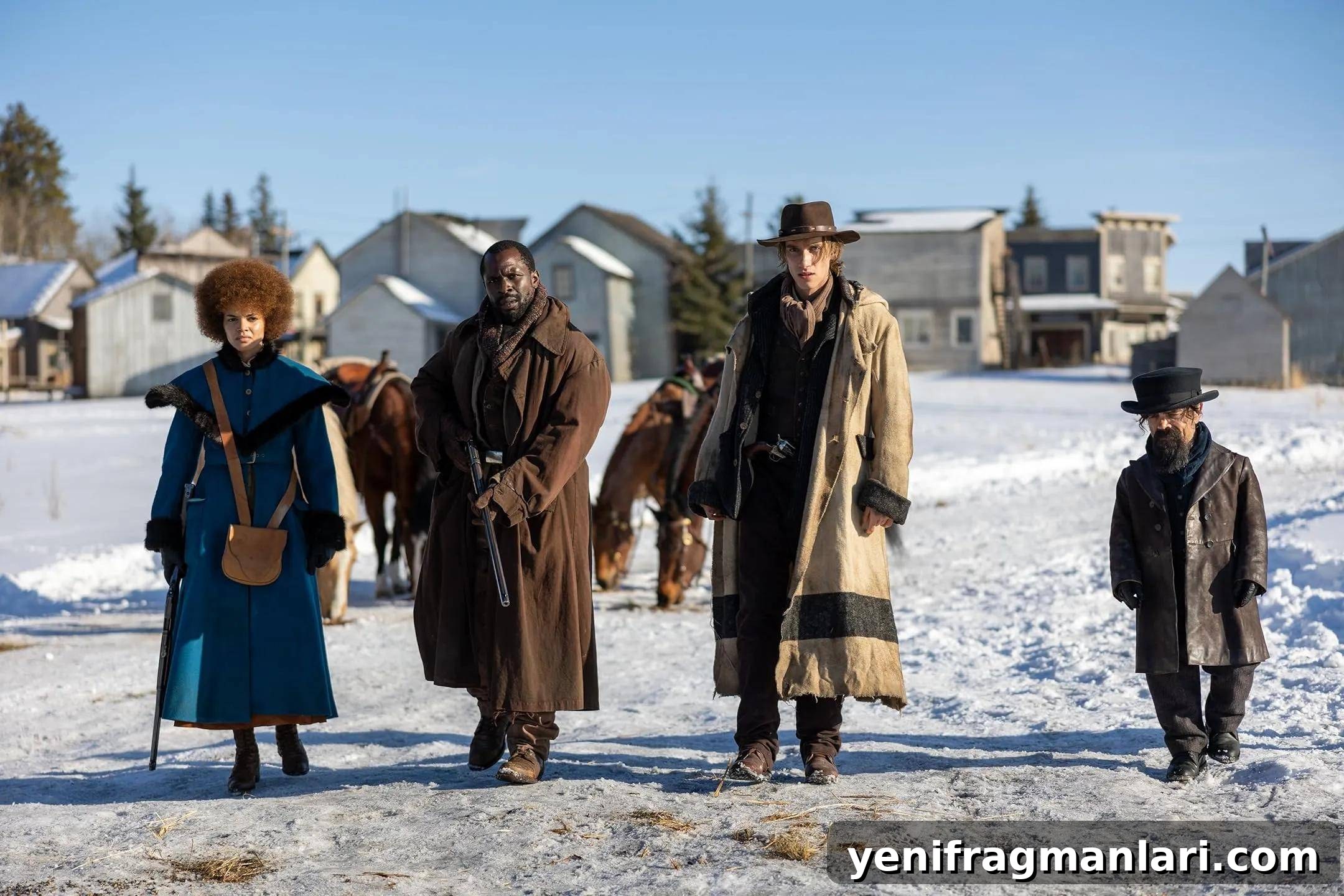
Beyond the physical challenge, preparing for the period and understanding what women experienced at the turn of the century was a major educational undertaking. I read extensively to grasp the historical context surrounding my character, Jimmy, so I could portray her truthfully. Finally, performing confidently alongside actors I admired required restraint and focus — being present, collaborative and ready at any moment was essential.
Adam Manery: The cast includes Peter Dinklage, Juliette Lewis and Levon Hawke, among others. What was it like working with them?
Leslie Grace: It was an honor. Juliette is one of my favorite actors — I grew up watching her — and working with her required balancing admiration with professional focus. Peter brought leadership to set, both as a producer and a co-star. Levon delivered consistently strong work, drawing on his own experiences. Gbenga Akinnagbe, whom many will recognize from The Wire, contributed depth and a steady presence that influenced everyone. I feel very fortunate to have shared the set with such committed performers.
Adam Manery: Elliott, how did you assemble this ensemble?
Elliott Lester: I was fortunate to collaborate closely with Peter Dinklage, who produced and acted in the film. We discussed casting choices constantly. Juliette Lewis joined quickly after reading the script and expressing strong interest. There was also an unusual, almost serendipitous addition: James Hetfield’s involvement. I had the instinct that his presence would add something electric to the production; fortunately, he agreed, and his contribution became a memorable part of our process.
Adam Manery: You’ve referred to The Thicket as a “punk rock Western.” What does that mean in practice?
Elliott Lester: The film works within Western conventions, but its attitude differentiates it. The casting, the visual style, the editing choices and the score all push the genre in a less traditional, more rebellious direction. It’s a Western with an edge — a willingness to subvert expectations and infuse the story with a modern, energetic sensibility.
Leslie Grace: Our crew and many performers brought an alternative sensibility to the project. Several of us come from musical backgrounds, so we spoke a language rooted in rhythm and performance. That allowed us to try fresh approaches to scenes, pacing and tone. Elliott’s music video experience encouraged experimentation: we were free to “flip it on its head” and play with genre conventions while remaining true to the story’s heart.
The film’s punk rock spirit isn’t just aesthetic — it’s an attitude toward storytelling. We aimed to honor Western traditions while challenging the form, giving audiences something familiar yet surprising.
More Videos HERE
Full Written Reviews HERE