
Score: B+
Director: Jeff Nichols
Cast: Joel Edgerton, Ruth Negga, Martin Csokas
Running Time: 123 min
Rated: PG
Loving review: Jeff Nichols’ film takes a restrained, human-centered approach to the true story of Mildred and Richard Loving. Rather than crafting a conventional courtroom drama or a melodramatic civil-rights epic, Loving focuses on the private life of a couple whose quiet determination ultimately reshaped American law. The result is a film that earns its emotional power through intimacy and understatement, highlighting performances and small, revealing details over sweeping rhetoric.
The story follows Mildred and Richard Loving, a Black woman and a white man who married in Virginia in 1958 and spent the next decade challenging the state’s ban on interracial marriage. Nichols (known for films like Midnight Special and Mud) resists turning their experience into a grandstanding legal spectacle. Instead, he centers the camera on the couple’s domestic life: their modest hopes, the warmth of their relationship, and the quiet anxieties that come when their marriage is criminalized. When police burst into their home one night and arrest them, the penalty is severe — they are ordered to leave Virginia or face prison, a sentence that forces them into a long legal struggle.
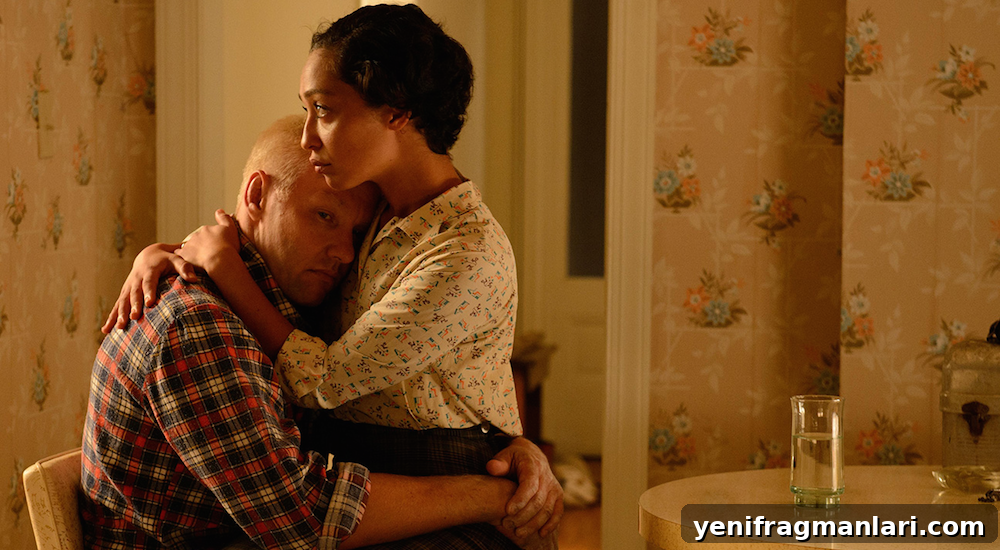
Ruth Negga and Joel Edgerton deliver the heart of the film with measured, convincing performances. Negga’s Mildred is quietly resolute; she carries vulnerability and fierce loyalty with the same steady presence. This performance highlights her ability to convey complexity without theatrics. Edgerton’s Richard is drawn with tactile specificity: a hardworking, earthy man whose physicality and guarded nature give way in the company of his wife. Their chemistry is understated but credible, built through small gestures and domestic routines rather than grand declarations.
Nichols’ directorial choice to keep the couple’s relationship chaste and modest—consistent with the film’s PG rating—does not diminish its intimacy. The romance is expressed through restrained affection and meaningful looks, which reinforces the film’s primary theme: two ordinary people seeking a simple life together, denied to them by law and prejudice. Much of the film’s emotional resonance comes from witnessing their private bond rather than from courtroom speeches or media spectacle.
The film does not ignore the wider forces at play. The Lovings’ case gains attention after they accept legal help and partners like the ACLU become involved. Supporting performances, including Nick Kroll as one of their lawyers and Michael Shannon in a striking cameo as LIFE photographer Grey Villet, contribute to the film’s texture without overwhelming the central couple. As public awareness of their fight grows, Richard grapples with the intrusion and the real risks it poses to his family. Nichols depicts this tension subtly: the increased exposure brings both support and stress, but the story remains anchored in the couple’s desire to return home and raise their children in peace.
One notable stylistic choice is Nichols’ decision to downplay courtroom scenes. Much of the legal process unfolds offscreen—the Lovings themselves do not attend the Supreme Court arguments, and they learn the outcome by phone. That choice preserves the film’s consistent focus on the human stakes, but it also means the movie sacrifices the dramatic, cinematic confrontations that often provide emotional catharsis in legal dramas. For some viewers, the lack of courtroom spectacle makes the movie feel contemplative and restrained; for others, it may undercut the film’s momentum, particularly given its two-hour running time.
Visually and tonally, Loving favors a quiet realism. The production design, costuming, and performances collectively suggest a modest rural life and a midcentury America that is at once familiar and quietly oppressive. Rather than dramatize public triumph, Nichols invites the audience to live alongside the Lovings—see their small joys, their everyday frustrations, and the courage in persistence rather than in theatrical protest.
In the end, Loving is an elegant, low-key tribute to a couple whose personal commitment had monumental legal consequences. The film’s modesty is both its greatest asset and its limitation: it humanizes a landmark case while foregoing some of the grander emotional peaks that mainstream audiences might expect. Still, the central performances from Negga and Edgerton are compelling enough to carry the film, making Loving a moving portrait of love, dignity, and quiet resistance.