
Luther: The Fallen Sun (2023)
Director: Jamie Payne
Screenwriters: Neil Cross
Starring: Idris Elba, Andy Serkis, Cynthia Erivo, Dermot Crawley, Thomas Coombs, Hattie Morahan
Four years after the fifth series of the acclaimed BBC crime drama Luther, a collaboration between BBC Films and Netflix has brought Idris Elba’s relentless detective to the big screen. Luther: The Fallen Sun expands the franchise into a feature-length thriller in which John Luther is drawn into a case involving kidnapping and multiple murders—until he finds himself imprisoned on charges that paint him as every kind of corrupt cop possible. Behind bars, Luther must ally with a new DCI and find a way to break free so he can stop further killings and unmask the true perpetrator.
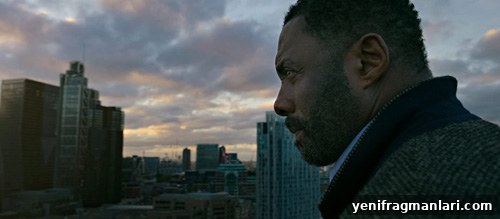
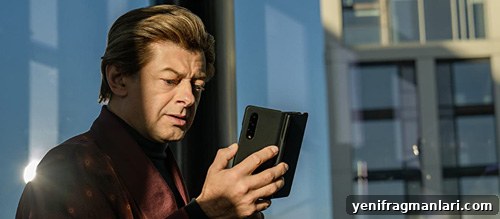
The central performances are strong. Idris Elba reprises the role that made him famous, delivering the familiar blend of intensity, brooding gravitas, and moral ambiguity that defines his character: a towering, weathered figure who bends rules—and sometimes breaks them—to protect others. Cynthia Erivo gives a compelling portrayal as the pressured DCI trying to maintain professional integrity while confronting her own private struggles. Andy Serkis stands out as the film’s chilling antagonist, offering a measured, unnerving calm that calls to mind other iconic screen villains; his performance provides a quiet menace that anchors the film’s darker moments.
Translating a small-screen detective series into a feature film brings both advantages and drawbacks. The movie largely succeeds at providing enough context for viewers unfamiliar with the TV show, while still nodding to long-time fans with visual callbacks—Luther’s coat, his car—elements that serve as recognizable iconography. Those references are occasional fan service rather than essential plot points, and the film largely moves forward on its own terms.
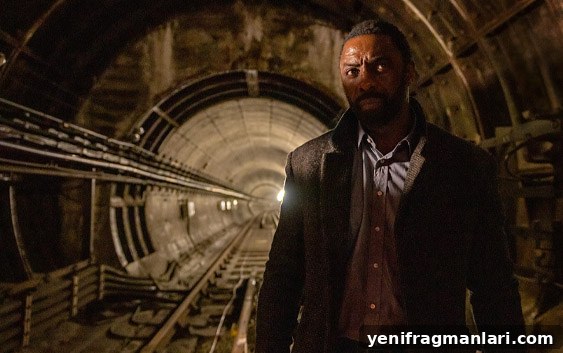
Screenwriter Neil Cross uses the expanded runtime to introduce sequences with a more cinematic scope than the television episodes typically allowed. Some scenes clearly draw inspiration from big-budget thrillers: there is an intense foot chase set in the London Underground, and the final act unfolds in a remote, opulent mansion reached by sweeping aerial shots. These sequences add production value and spectacle, giving the franchise room to be grander and more visually ambitious than it has been on television.
For the most part, The Fallen Sun is an effective escalation of the original series. It balances a clear protagonist, a determined DCI, and a genuinely creepy antagonist, delivering several memorable set pieces and strong, committed performances. However, the film does not entirely escape the limitations of its TV roots: the direction from Jamie Payne, who has worked on the original series, sometimes retains a television rhythm and pacing even as the production aims for cinematic scale. At times the story feels restrained, choosing familiar beats over riskier narrative departures.
There are also moments in the plot that strain credulity. Certain elements, such as the discovery of an apparently decades-old frozen body, feel underused and disconnected from the main investigative thread. Some plot conveniences appear constructed to push Luther toward specific revelations rather than emerging organically from the story. Prison sequences featuring Luther offer action and tension, but they contribute unevenly to the central mystery, occasionally serving as spectacle more than meaningful development.
A few convenient coincidences and predictable manipulations of character psychology also weaken the tension. The film sometimes relies on villains making overt mistakes when provoked, allowing the hero to exploit those errors in straightforward ways. These familiar tropes undercut moments that might otherwise have felt more surprising or novel, and even a writer of Neil Cross’s talent falls back on some established genre shortcuts.
Despite these shortcomings, Luther: The Fallen Sun remains an enjoyable and well-acted thriller. It delivers satisfying performances from its leads, several high-quality action sequences, and a mood and intensity that align with the series’ darker tone. Viewers who have never watched the Luther television episodes will find the film accessible, while fans of the original show will appreciate seeing the character given a feature-length canvas.
Ultimately, the film does what it sets out to do: it expands Luther’s world, leans into cinematic spectacle where appropriate, and offers a solid central mystery anchored by strong acting. It may not radically reinvent the character or the genre, but it provides a tense, entertaining outing that is faithful to the spirit of the series and pleasingly watchable on its own merits.
Score: 16/24