
Movies were my first and lasting love. I can’t pinpoint exactly when that love began—Jane Austen’s words fit perfectly: “I was in the middle before I knew I had begun.” As a nervous child who often felt unsure how to move through the world, I found clarity in stories. Films offered structure and order, a way to make sense of life’s chaos. I loved how filmmakers could shape emotions and events into meaningful narratives.
My parents encouraged that passion, especially my mother, whose knowledge of classic movie stars seemed endless. I remember my first theater memory watching Toy Story 2 around age four. From there I saw everything my parents would take me to—blockbusters, adventures and everything in between. Nothing, not even an R rating, deterred me from seeing a film I wanted to watch. As a kid I gravitated toward late-90s and early-2000s epics and adventure films. I went through an intense Russell Crowe phase and repeatedly watched Gladiator and Master and Commander. Over time, my tastes widened to include literary adaptations, distinctive independent films, and directors who blended beauty with brutality, like Jane Campion.
The films below are a small selection of the movies that shaped who I am. They span fairy tales and Austen adaptations, sweeping romances and animated masterpieces—titles I watched during formative years, movies that influenced who I became. These are films I can watch countless times without losing affection for them. They remind me why I fell in love with cinema in the first place.
I’m not claiming these are the definitive best films ever made, but they are the most important to me. These are the 10 best films of all time, as I experience them.
Follow me on X (Twitter) – @ManicMezzo
10. Star Wars: The Last Jedi (2017)
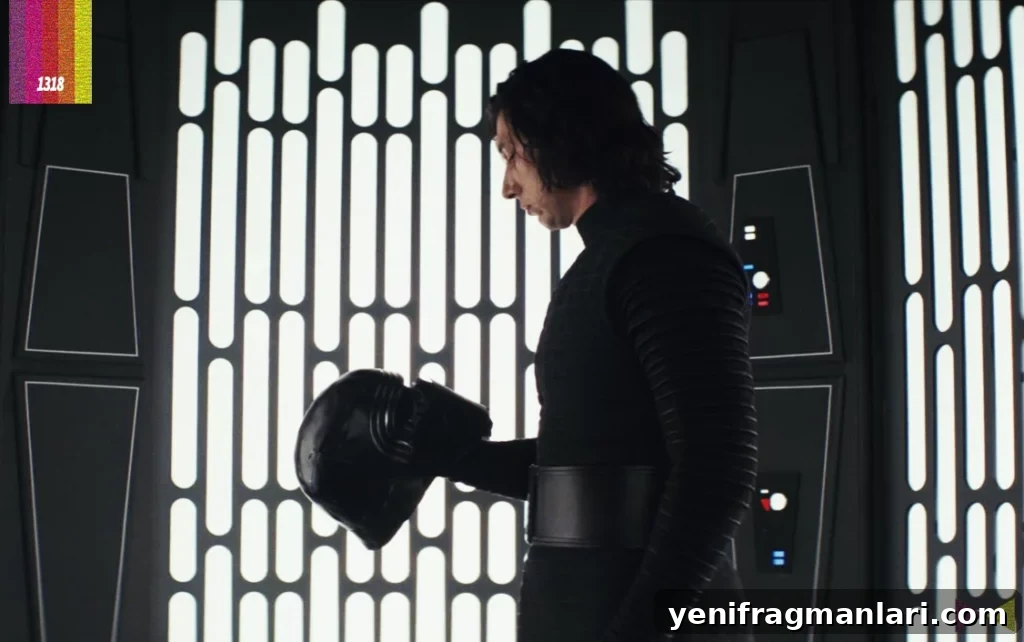
“We are what they grow beyond. That is the burden of all masters.”
Star Wars has been part of my life for as long as I can remember. My fourth birthday was Star Wars-themed and my godmother dressed as Darth Vader—terrifying at the time, but unforgettable. When The Force Awakens arrived I left the theater oddly unfulfilled; something felt missing. The Last Jedi divided fans and critics, but for me it was the first recent Star Wars entry that rekindled the emotional wonder I associate with the franchise. Rian Johnson took risks, avoiding easy nostalgia and trying to move the story forward instead of hiding in the past. It’s imperfect, but I admire the ambition.
Mark Hamill’s performance as an older, conflicted Luke Skywalker is one of his finest. Despite reported disagreements about the character’s arc, Hamill invests the role fully. For me, The Last Jedi offers a meaningful, human send-off for Luke that I prefer to the more manufactured portrayals that later appeared in other projects. It reminded me what Star Wars can do: transport us and make us feel.
9. Ever After (1998)
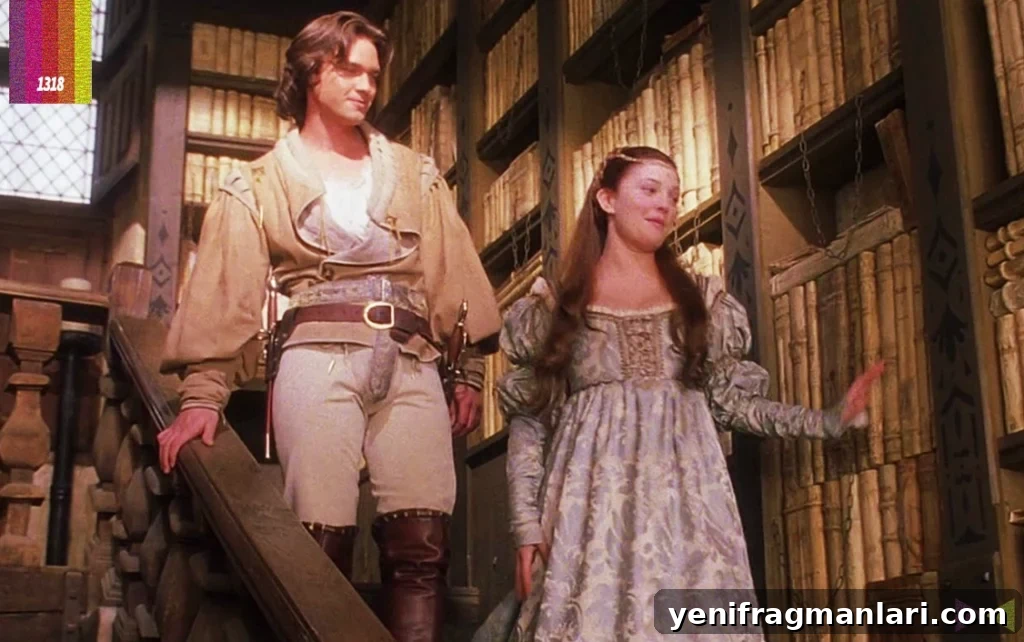
“A bird may love a fish, Signore, but where would they live?”
“Then I shall just have to build you wings!”
Ever After, starring Drew Barrymore, retells Cinderella in 16th-century France and weaves in historical figures such as Leonardo da Vinci. It’s the kind of film you return to when you need to believe in goodness and romance. Lush, witty and heartfelt, Ever After represents everything I love about fairy tales and romantic storytelling. Growing up during a time when the “not like other girls” trope was common, I felt pressure to dismiss romance as shallow. Eventually I embraced my love for love stories and now watch them proudly. Ever After’s sense of justice—good people rewarded, wrongdoers held accountable—is comforting. Real life is messy, but films like this offer moments of escape and reassurance.
8. Spring Breakers (2012)
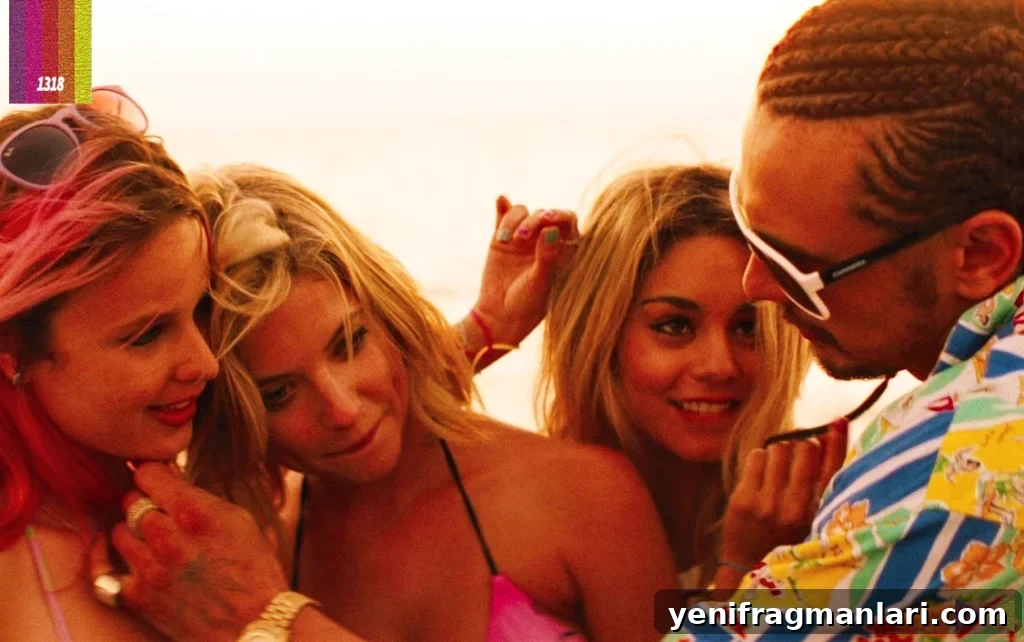
“Just act like you’re in a movie or something.”
Released the summer after I finished high school, Harmony Korine’s Spring Breakers felt like an urgent, strange object that captured teenage yearning. I didn’t see it in theaters; I found the DVD in a mall store and spent that summer playing it repeatedly. The film’s neon palette, surreal energy, and risky aesthetics pulled my friends and me in. On the surface it’s about four young women who commit a crime to fund a spring getaway and get entangled with a wannabe drug lord and rapper. Many viewers dismissed it as exploitative, but beneath the sheen lies a sharp critique of excess, privilege, and the hollow promises of instant fame. For us, it represented a fantasy of freedom—breaking rules, shedding expectations, and experiencing the dangerous exhilaration of being alive.
Beyond its imagery and provocation, Spring Breakers created shared memories with friends. Films like this bond people; they become part of who you were at a certain time in life.
7. The Godfather (1972)
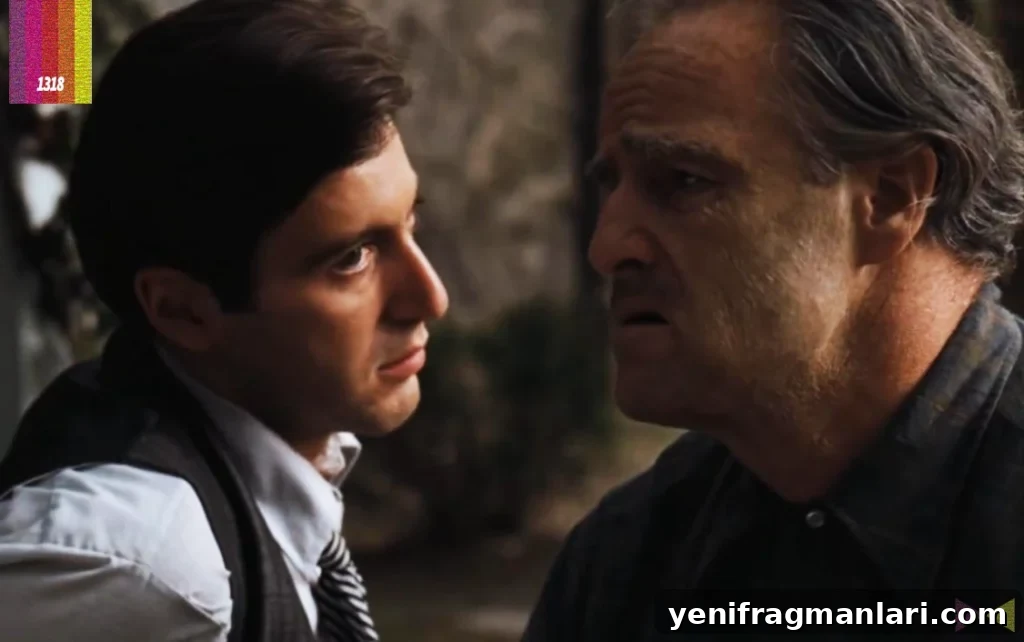
“I don’t like violence, Tom. I’m a businessman. Blood is a big expense.”
The Godfather is a holiday tradition in my family; it plays on TV every Thanksgiving while I prepare the meal. Beyond personal rituals, the film is widely and rightly regarded as a masterpiece. It represents a style of American filmmaking that has largely vanished—a time when intimate, dialogue-driven scenes with towering performances dominated the screen. Watching Al Pacino, Marlon Brando, Robert Duvall and others is to witness acting at its peak. The film is also a touchstone of 1970s cinema, an era of bold storytelling and filmmaking innovation that shaped my taste for gritty, character-driven work.
6. Spirited Away (2001)
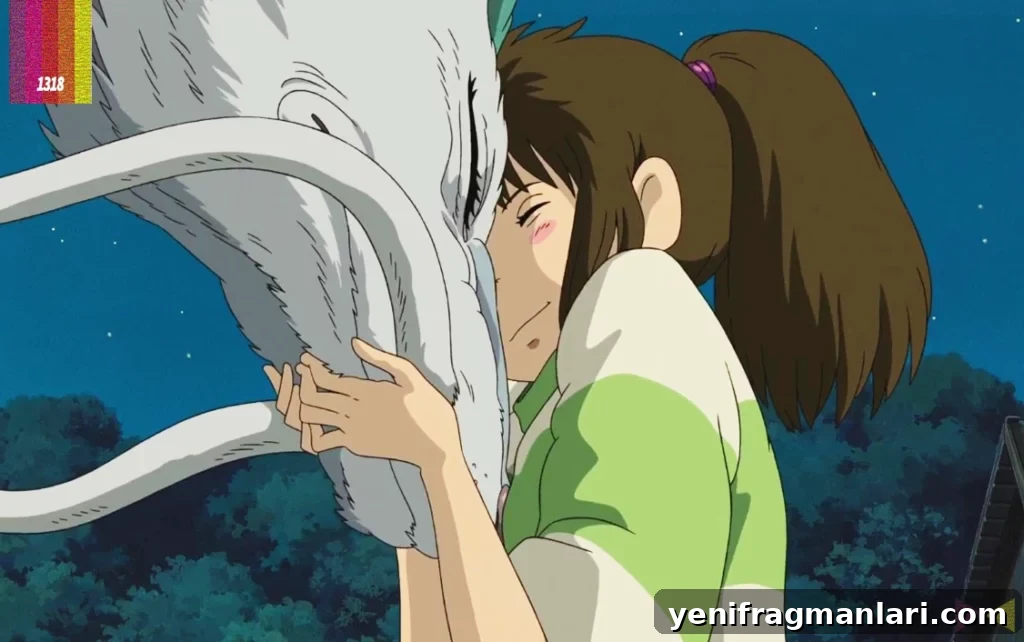
“Once you meet someone, you never really forget them.”
I saw the English dub of Spirited Away when I was six. My parents thought it was long and odd, but I was silent because the film had already taken hold of me. Hayao Miyazaki’s hand-drawn animation, its magical melancholy and the gentle bond between Chihiro and Haku are unforgettable. The film’s visual richness and emotional honesty stayed with me and remain a touchstone for how movies can quietly shape a child’s imagination.
5. Pride & Prejudice (2005)
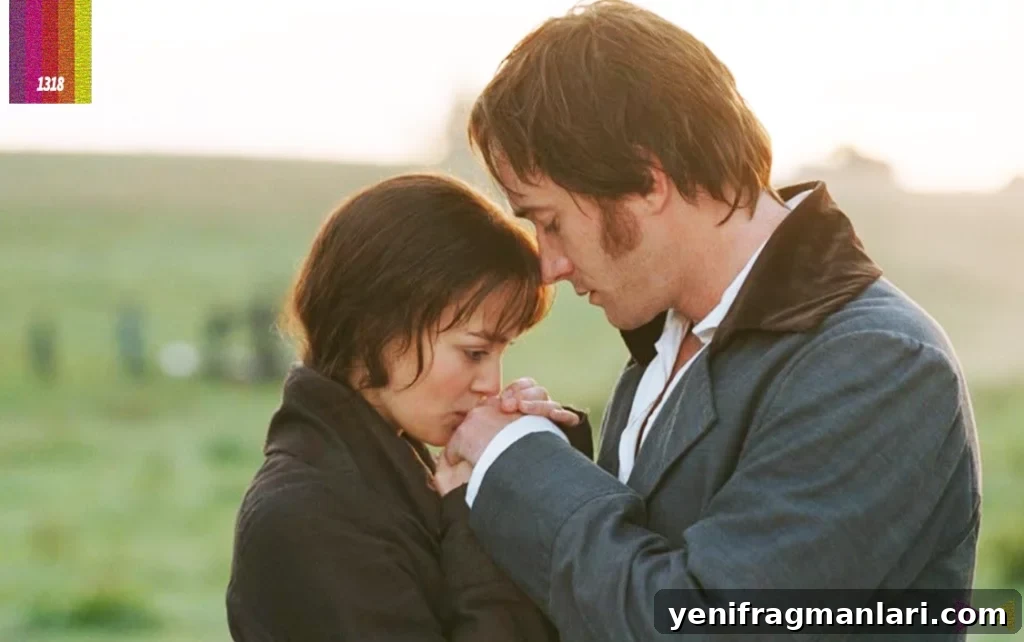
“My dear Lizzy, you cannot think me so weak as to be in danger now.”
“I think you are in very great danger of making him as much in love with you as ever.”
Joe Wright’s 2005 adaptation of Pride and Prejudice, starring Keira Knightley and Matthew Macfadyen, captures the novel’s romantic core while making smart cinematic choices. It keeps Austen’s spirit while heightening moments for the screen—the moment Darcy’s feelings become undeniable is rendered with clear fidelity to the book and elevated by cinematic craft. When I need earnest romance and emotional warmth, this film feels like sunshine—bright, alive and true.
4. Sex, Lies, and Videotape (1989)
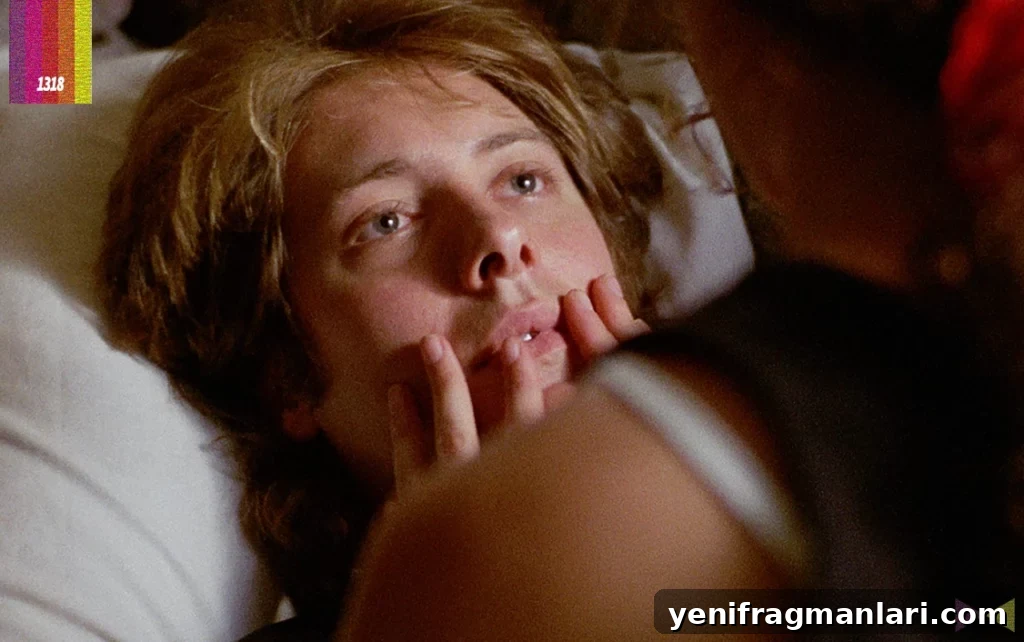
“You’re right, I’ve got a lot of problems… but they belong to me.”
Steven Soderbergh’s debut feature is spare, intimate and revelatory. If I had been alive when it premiered, I might have tried to fashion myself around it—its economy of style and intense focus on character dynamics spoke to me immediately. The film proves you don’t need a lavish budget to tell a compelling, affecting story. It explores sex, relationships and emotional honesty with a frankness that many contemporary mainstream films avoid.
3. Dirty Dancing (1987)
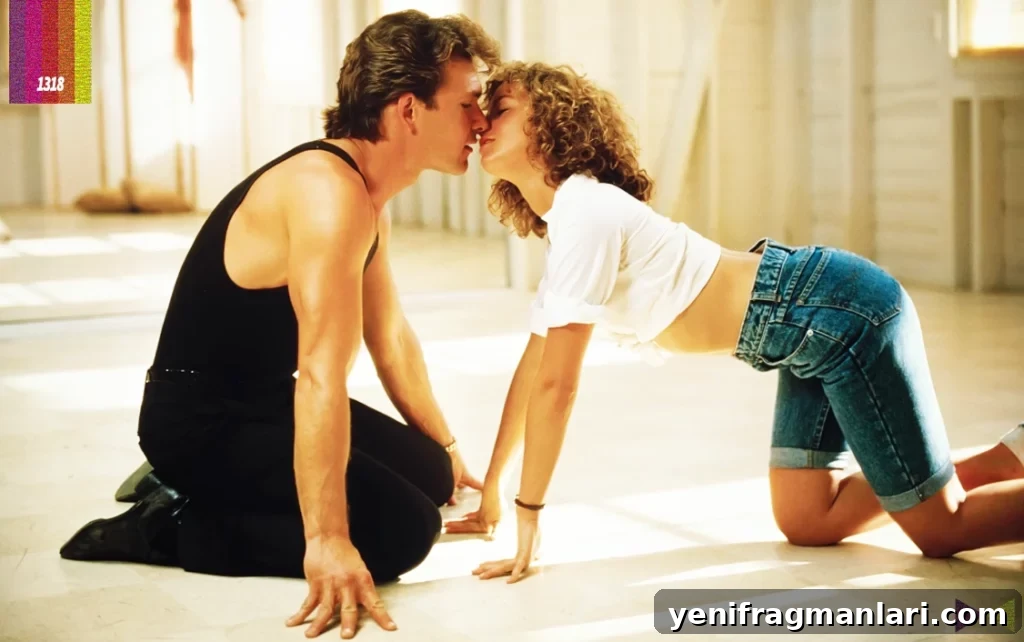
“I’m scared of what I saw, I’m scared of what I did, of who I am, and most of all I’m scared of walking out of this room and never feeling the rest of my whole life the way I feel when I’m with you.”
Dirty Dancing is both an outstanding coming-of-age film and one of the greatest musicals. Jennifer Grey’s Baby grows in front of our eyes—learning to dance, gaining confidence, discovering her desires. The climactic lift feels transcendent; it’s cinematic catharsis. The film uses music and movement to express identity and longing, and it captures the thrill of becoming someone new despite parental expectations. Its emotional and sensual power keeps it alive for every generation.
2. Titanic (1997)
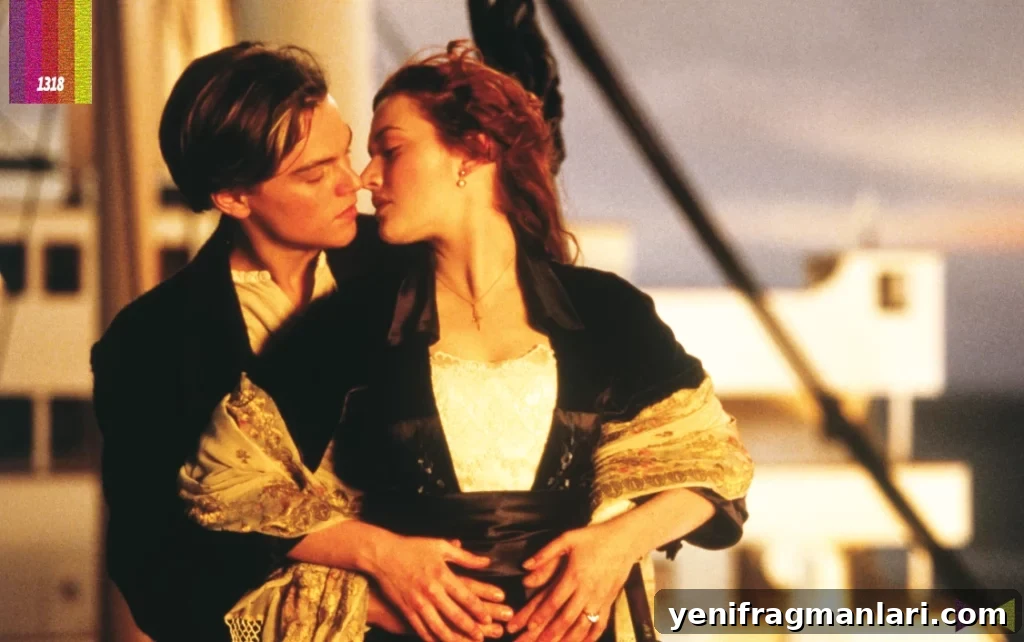
“Now you know there was a man named Jack Dawson and that he saved me, in every way a person can be saved.”
I don’t remember my first viewing of Titanic, but I do recall having to flip the VHS tape halfway through the movie. Titanic is an epic in scale and emotion. James Cameron’s devotion to detail and storytelling makes the film a visceral experience: every moment of luxury and terror is given weight. The film’s moral critique of hubris—how status, wealth and pride dissolve in catastrophe—is searing. You know the ending, yet you watch, hoping for another outcome. That hope is the film’s power.
1. Gone with the Wind (1939)
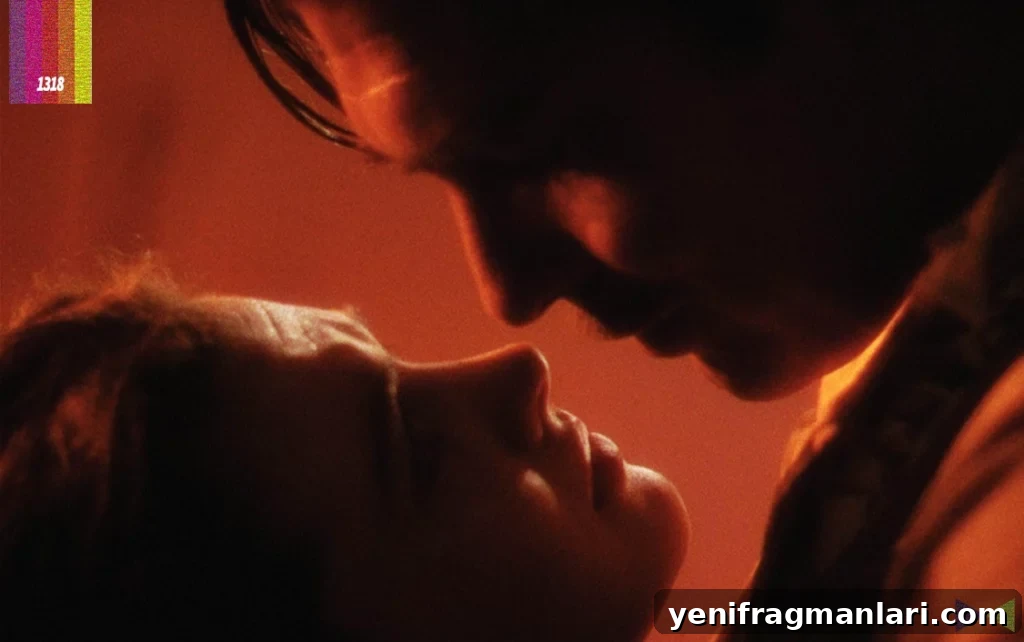
“You are no gentleman.”
“And you, miss, are no lady.”
Gone with the Wind is the one film I once called my favorite. I own books about its making, special edition DVDs and memorabilia. Like Titanic, it revels in epic melodrama—lavish costumes, sweeping sets and unforgettable dialogue. Watching it is an experience. Yet my relationship with the film has evolved. Its depiction of Black characters is steeped in racist stereotypes, and the film’s romanticized portrayal of the Old South requires critical reflection. That complexity is part of what makes the film historically important: it reveals cultural myths and the ways cinema can both mesmerize and mislead.
Film critic Angelica Bastien has argued that treating Gone with the Wind as a monument to be preserved innocently or as an artifact to be destroyed both avoid confronting the uncomfortable truths it reflects. Instead, the film can be examined as a searing, accidental portrait of American mythology around slavery and the Lost Cause.
Great movies teach us about who we are, especially when that self is difficult to face. Art comes from flawed, complex people, and cinema can provoke, comfort and challenge us. The films on this list changed me, shaped how I see the world, and opened new perspectives. That, to me, is why they remain the best.