
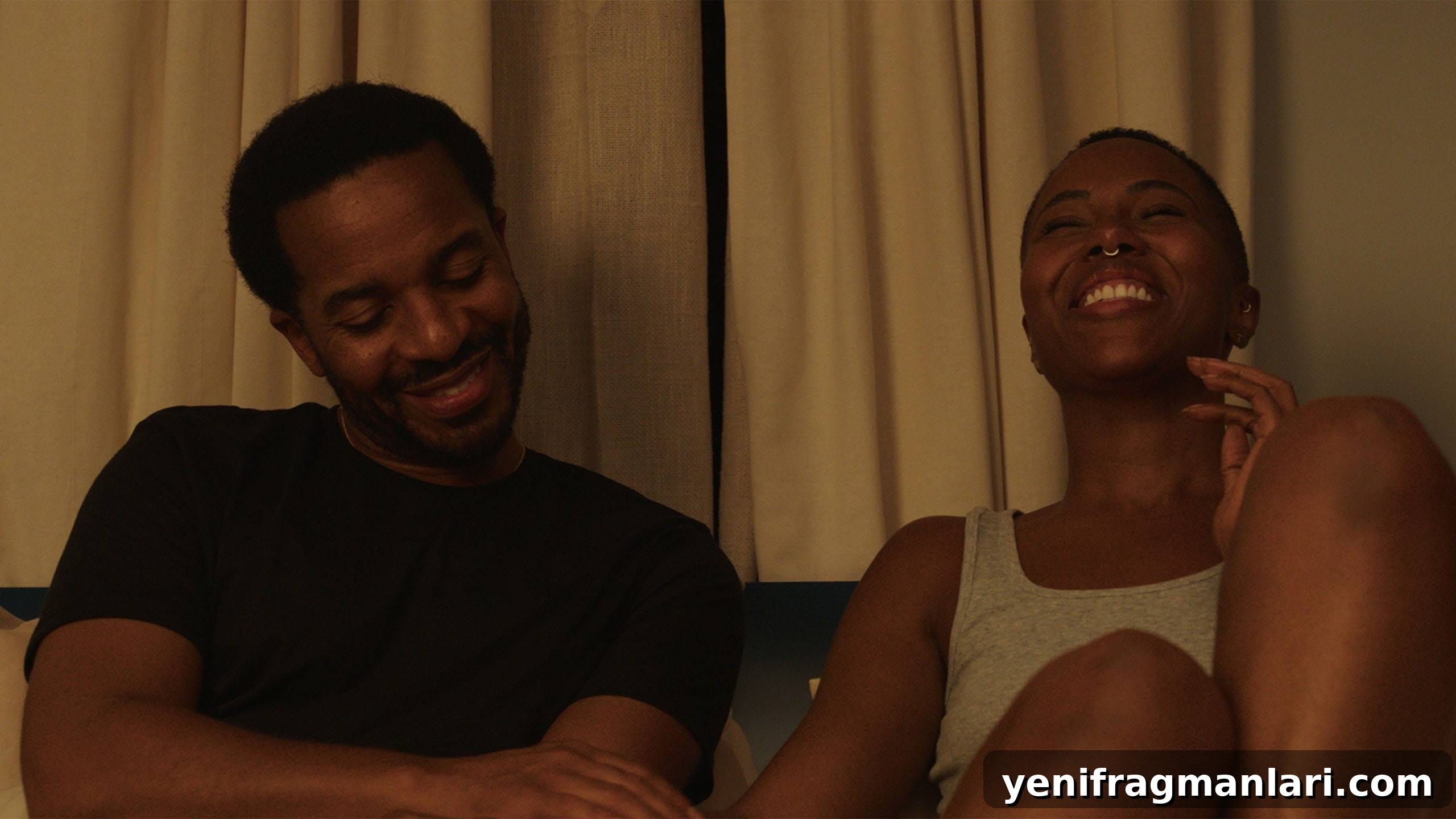
Cinematographer Martim Vian on Love, Brooklyn and How Director Rachael Abigail Holder Evolved His Work
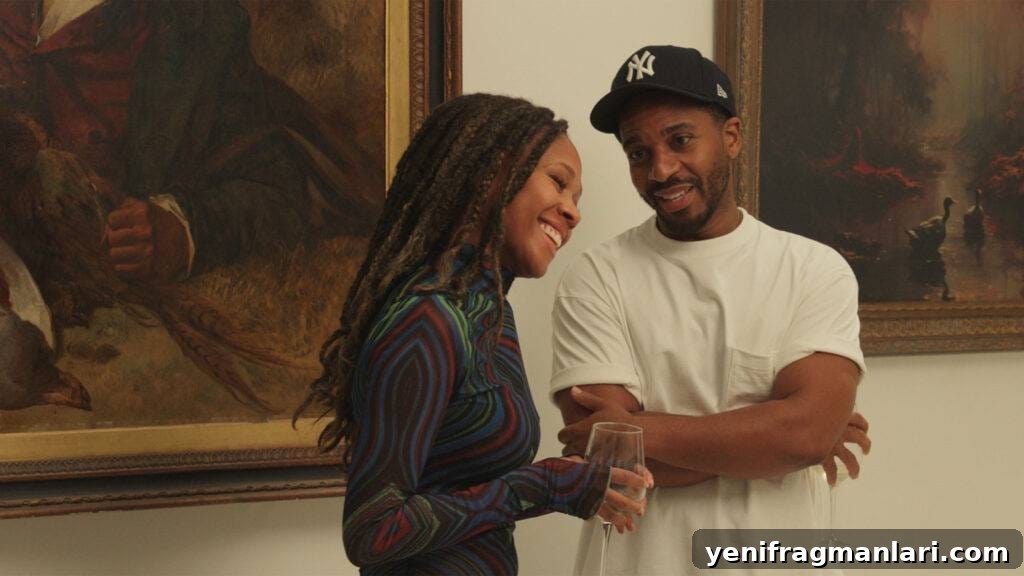
Love, Brooklyn is the debut feature from director Rachael Abigail Holder. The film weaves together the lives of three Brooklyn residents confronting careers, love, loss and friendship. To realize Holder’s distinct vision, cinematographer Martim Vian departed from his usual methods — trading many familiar shortcuts for fresh visual choices. He embraced composed, often static frames, bold front lighting, and a truthful depiction of Brooklyn streets that included graffiti, dumpsters and other urban details that some filmmakers might have removed.
I spoke with Vian about collaborating with Holder, the technical choices that shaped the film, and the creative risks that pushed his work in new directions.
Love, Brooklyn premiered at Sundance 2025 on January 27, 2025
Cinematographer Martim Vian on His Journey and Working with Rachael Abigail Holder
ADAM MANERY:
Was cinematography always your goal?
MARTIM VIAN:
I loved movies and imagery from childhood. At first I wanted to be an animator and dreamt of working at Walt Disney. Over time my interest shifted to live-action cinema. I studied at the National Film School in Portugal and only there discovered cinematography as a profession. The camera always pulled me in — I initially thought directors were the ones operating cameras, and when I realized that wasn’t the case I found my place behind the lens.
What was it like working with Rachael on Love, Brooklyn?
Working with Rachael was energizing. She’s an artist with a clear and uncompromising vision across departments. That meant I had to leave many of my comforting tricks behind. On low-budget, tight-schedule productions you learn practical habits to solve problems quickly. Rachael’s approach pushed me into unfamiliar territory — at first it felt risky, but it ultimately expanded my craft. The more I listened and followed her instincts, the more the film improved. It was a valuable push outside my comfort zone.
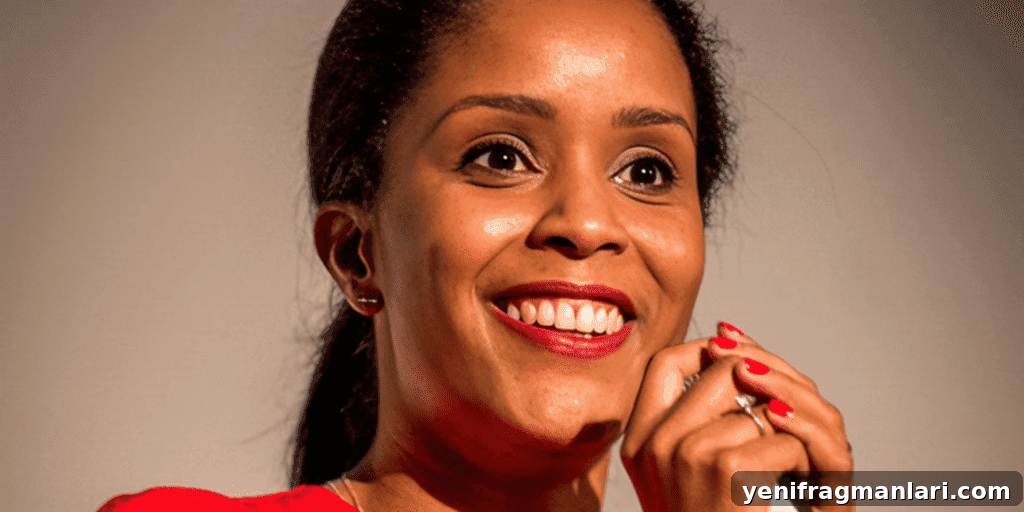
How Rachael Abigail Holder Brought New Visual Ideas to Love, Brooklyn
Which of Rachael’s ideas pushed you most?
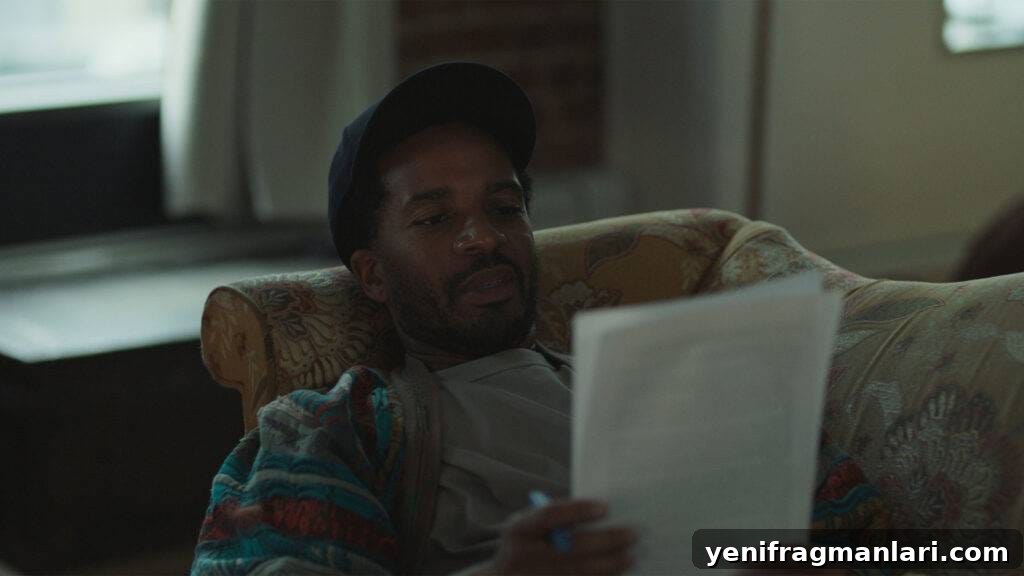
One idea was to shoot large parts of the movie using a single lens — a bold, limiting concept that felt both scary and liberating. We ended up adding a second camera late in prep, but many sequences remained tightly composed and static. Rachael also favored strong front light and hard lighting choices that initially felt counterintuitive to me. We ran tests in a park with an actress, experimenting with backlight, sidelighting and front light. I assumed backlight would win, but her preference for warm front sunlight proved powerful; shot at late afternoon the light was beautiful and defined faces the way she wanted.
There were two huge green dumpsters full of graffiti. The first thing I did was ask them to move the dumpsters, but Rachael loved the dumpsters: “They are Brooklyn.”
Those moments — where my instinct clashed with Rachael’s — were lessons in trusting the filmmaker’s lived experience. She wanted the city to feel authentic, not cosmetically removed. That honesty shaped many choices and ultimately widened my sense of what the film could be.
Did you create distinct visual languages for the three protagonists?
The story is mostly anchored in Roger’s viewpoint, played by André Holland, but Rachael was committed to elevating the other two characters so the film felt communal rather than strictly from one perspective. We adjusted coverage to stay with Nicole Beharie’s and DeWanda Wise’s characters at key moments after Roger left the frame, giving each character brief windows of perspective. Visually, the film avoids rigidly separating their styles; it’s set within the same time and neighborhood, and the goal was to contextualize each character in their environment while keeping a cohesive overall aesthetic.
How did you incorporate Brooklyn into the film?
Prep stretched over a long period and I approached Brooklyn as an outsider eager to learn Rachael’s Brooklyn — the details she grew up with and loved. My first impulse was to remove visual clutter like tree supports or graffiti-covered dumpsters, but Rachael insisted those elements belonged in the frame. She saw them as markers of place. We embraced those realities, letting the city be woven subtly into the backgrounds and textures rather than feeling like a backdrop pasted on top of the story.
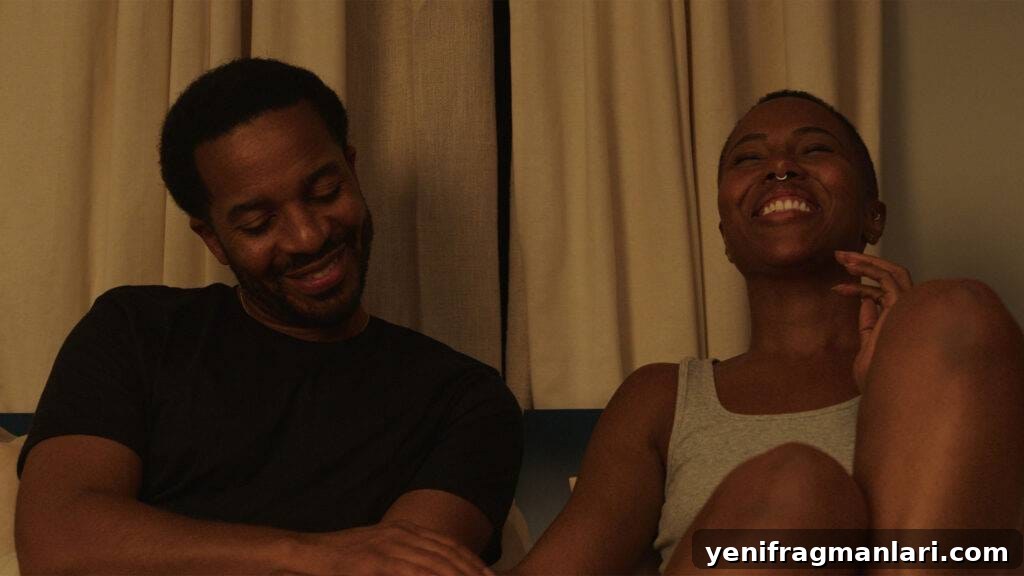
Call Me by Your Name as a Visual Inspiration
What visual references guided you?
Rachael cited Call Me by Your Name as an inspiration — not because of setting but for its immediate, light-filled camera approach. That film’s summer sunlight and intimacy informed our desire for warmth and presence. I prefer references that are interpretive rather than literal; they leave room to combine textures, paintings or fabric studies to shape a unique look. Rachael described wanting the images to feel “sharp” and “defined” — not necessarily hyper-detailed, but clear in form and texture so faces and trees read distinctly without fuzziness.
The Equipment Behind the Visuals of Love, Brooklyn
What gear did you use and why?
We shot with an ARRI Alexa Mini and an ARRI Amira, paired primarily with Master Prime lenses and subtle diffusion. Our intention was to preserve a lot of depth of field so Brooklyn could sit as a tapestry beneath the action rather than constantly calling attention to itself. I frequently stopped down to ƒ/8, ƒ/11 and even ƒ/16 to hold that depth. For night exteriors I pushed ISO and opened up to around ƒ/4 to retain definition without losing the mood. On select moving night shots, like a sequence of Roger riding a bike through a park, I used very wide apertures.
Master Primes are lenses I know well; testing showed interesting behavior when stopped down. At narrower apertures they produced a subtle, slightly vintage softness on background foliage that felt pleasing — a hint of “70s” character without sacrificing clarity. The Amira complemented the Mini: it’s ergonomic, shoulder-friendly and shares the same sensor characteristics.
Diffusion was used sparingly to temper the perceived harshness of digital capture while avoiding heavy blooming. That low-grade diffusion helped faces read warmly and kept highlights controlled. It’s subtle in the final film, but by comparing before-and-after frames you can see its effect on skin and texture.
As a cinematographer, you’re trying to serve the movie, the story, the director’s vision, and you want to almost disappear.
Quick Questions: Directors, Films, and Sundance Picks
If you could work with any director, who would it be?
Sam Mendes. I was deeply moved by American Beauty before film school. Directors who come from theater — Mendes or Mike Leigh, for example — often combine strong character work with distinctive visual choices. My dream range would span intimate character drama to something with large-scale craft, like a Bond film.
Which film’s cinematography awes you?
I was recently impressed by a 4K restoration of Fanny and Alexander. Sven Nykvist’s work from the early 1980s still reads as contemporary; that enduring quality speaks to making images that serve the story rather than chasing trends. Great cinematography feels both beautiful and unobtrusive.
What will you try to see at Sundance?
I planned to see a broad range in competition and a few midnight titles. Festivals are invaluable for discovering new voices and leaving inspired. Experiencing diverse filmmaking always recharges my own work.
About Martim Vian (from: www.martimvian.com)
Lisbon-born cinematographer Martim Vian began making images early and has built a varied career across features, series, commercials and music videos. In 2025 his work appears in Love, Brooklyn, an official U.S. Dramatic Competition selection at Sundance, directed by Rachael Holder and produced by Steven Soderbergh. His upcoming slate included the romantic comedy You’re Dating a Narcissist.
Vian’s credits include the Netflix visual essay series VOIR (2021), the romantic comedy Alone, Together (2022), the Hulu psychological thriller Clock (2023) and the indie Lazareth (2024). He’s shot commercials and music videos for major brands and artists, and he trained at the National Film School Conservatory, FAMU in Prague and holds an MFA in Cinematography from the American Film Institute.
Fluent in Portuguese, English and French, Vian has been a member of the Portuguese Society of Cinematography (AIP) since 2007.
Read More:
- Sundance Coverage
- Interviews
- Film Reviews