
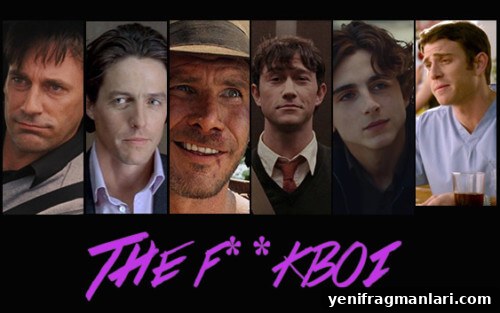
Fuckbois are everywhere — not just on dating apps but spilling out onto movie screens. They’re the characters that make you shout at your TV or in the cinema, “What are you doing, [insert leading lady’s name]?” Even within fiction, they come in many recognizable varieties.
After thinking about the recurring types I see in films, I’ve grouped them into six distinct categories. These are the most common cinematic fuckbois, each with their own tactics, charm, and predictable outcomes.
6. The Straight Up
The Straight Up is the most honest of the lot. He tells you what he wants and often makes no attempt to disguise it — the relationship is purely physical, the expectations are clear, and he won’t pretend otherwise. This type is a classic womanizer who will call late at night for a casual meet-up and disappear by morning. There’s no mystery: the Straight Up won’t string you along emotionally, but that bluntness doesn’t make it less hurtful when feelings develop on one side.
Key example: Ted (Jon Hamm) in Bridesmaids.

5. The One Before the One
This guy is suave and effortlessly attractive. He takes you out to impressive restaurants, makes you laugh, and seems to have charisma to spare. Friends might even idolize him. But he’s also commitment-averse. He’s the placeholder partner: dazzling for a time but ultimately not the person you’ll build a future with. Often his role in the story is to highlight how much better the next, more genuine partner will treat the protagonist. He raises your standards — painfully.
Key example: Daniel Cleaver (Hugh Grant) in Bridget Jones’s Diary.

4. The Loner
The Loner is independent, successful, and magnetically self-contained. He doesn’t want to settle down — at least not with anyone in the protagonist’s orbit. Unlike the Straight Up, he’s frequently less blunt about his intentions and may present himself as mysterious or emotionally unavailable. He invites you into his world for an adventure, films, or short-lived intimacy, but there’s a clear invisible boundary: his life remains his own. Rumors and hope might suggest he just hasn’t met the right person yet, but in stories of this type, that “right person” rarely turns out to be the protagonist.
Key example: Indiana Jones (Harrison Ford) in the Indiana Jones franchise.

3. Soft, Sensitive Boy
The Soft, Sensitive Boy is deceptively hard to spot because he seems like the opposite of a typical fuckboi. He listens, reads your moods, and often shares your taste in music or films. He might declare progressive politics and appear emotionally available. Yet his sensitivity can hide an underlying self-centeredness: he’s seeking validation and wants a partner who will complete or rescue him. In practice, he prioritizes a certain image or role his partner plays in his life rather than truly valuing her as an equal person. That mismatch between appearance and expectation is what makes him a particularly slippery type.
Key example: Tom (Joseph Gordon-Levitt) in 500 Days of Summer.

2. YA Art Boy
The YA Art Boy performs a cultivated sensitivity: he reads poetry, plays guitar, or quotes art films. That aesthetic can be attractive, especially in coming-of-age stories where romantic experiences carry symbolic weight. But often the gestures are part of a calculated charm offensive designed to seduce rather than connect. He can be the person who takes advantage of trust or inexperience, and the audience is left unsettled when his seeming innocence masks manipulation. When he’s older than his partner, his presence in a young-adult narrative can feel especially problematic.
Key example: Kyle (Timothée Chalamet) in Lady Bird.

1. I Can Show You the World
By far the most dangerous type is the one who seems perfect on paper: kind, emotionally intelligent, socially successful, and patient. He promises growth and adventure, and you feel seen and supported. He might even encourage waiting for sex, only to leave the relationship in the most devastating way once the intimacy barrier has been crossed. This type inflicts deep emotional damage because his abandonment feels like a personal betrayal after such apparent authenticity. In film narratives, he often precipitates the protagonist’s most painful wake-up call about trust and heartbreak.
Key example: the doctor in Friends with Benefits.

Across genres, these cinematic archetypes function as shorthand for particular relationship dynamics: they push the protagonist into growth, force difficult choices, or highlight the kinds of behavior audiences recognize from real dating life. Whether they’re comic villains, romantic detours, or bittersweet lessons, these six types capture the recurring ways films represent emotional unreliability and the consequences it has for those who trust too soon.