One Life (2023)
Director: James Hawes
Screenwriters: Lucinda Coxon, Nick Drake
Starring: Anthony Hopkins, Helena Bonham Carter, Johnny Flynn, Ramola Garai, Jonathan Pryce, Lena Olin
One Life tells the remarkable true story of Nicholas Winton, the British stockbroker who quietly organised the rescue of 669 mostly Jewish children from Czechoslovakia on the eve of the Second World War. This film, produced by BBC Film, aims to revive a sense of shared humanity by dramatizing one individual’s extraordinary moral courage. With Sir Anthony Hopkins portraying the older Winton and Johnny Flynn as his younger self, the production leans on exceptional casting to connect viewers with a man who spent decades keeping his deeds private.
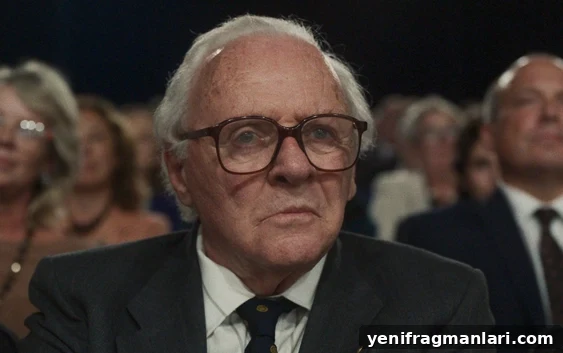
Anthony Hopkins is an inspired choice to play the later-life Winton. His Oscar-winning performance in The Father demonstrated his ability to convey vulnerability and inner strength simultaneously, qualities that serve this role well. Johnny Flynn offers a convincing younger counterpart, capturing Winton’s unassuming determination and creating an effective continuity between the two portrayals. Their chemistry anchors a film that focuses on quiet, human moments rather than large-scale spectacle.

Directed by James Hawes, who brings his extensive television experience to the project, the film often feels like a high-quality TV drama in tone and scale. That character suits the subject matter: rather than attempting epic wartime panoramas, the movie concentrates on intimate encounters, small acts of kindness, and the logistical ingenuity behind the rescue efforts. Hawes’ framing and pacing emphasize emotional resonance, especially in scenes that build toward the film’s climactic revelations.
The editing largely supports the film’s restrained approach. Several sequences—such as the scenes showing Winton and his colleagues assembling information, contacting potential foster families, and preparing paperwork—are paced crisply, reflecting the urgency behind the operation. However, a few late-act conversations rely on pedestrian two-camera coverage that occasionally undermines the emotional flow. These uneven moments are few, and they do not derail the overall narrative.
One Life adopts a decisively reverent tone toward its central figure. The screenplay presents Winton almost without doubt or moral conflict, portraying him as a steadfast and tireless humanitarian. While this approach underscores his admirable qualities, it also flattens the character slightly by avoiding complexity. A brief glimpse of internal doubt or personal failing would have humanized him further, allowing audiences to relate not only to his heroism but to the internal struggles that commonly accompany historic deeds.
The film’s treatment of collaborators and historical context is similarly selective. One Life acknowledges there were other people involved in arranging the trains and securing visas, but the narrative clearly centers Winton as the principal hero. Modern historians emphasize that many individuals and organisations played significant roles in these rescues; the film, perhaps inevitably, channels most credit toward its titular protagonist. The presence of Winton family members among the production team may have influenced this focus, producing a story that celebrates one life while only partly illuminating the broader collective effort.
Despite those reservations, the movie succeeds where it counts: in creating an emotional experience that honors rescue and compassion. The scenes that depict reunions, the relief of safe passage, and the later “This Life” segments deliver genuine poignancy. The film’s understated visual style and clear narrative structure allow performances to breathe, and the quieter sequences linger in memory. Overall, One Life is a respectful and affecting biopic that reframes an important historical episode for contemporary viewers.
Score: 18/24
Rating: 3 out of 5.