
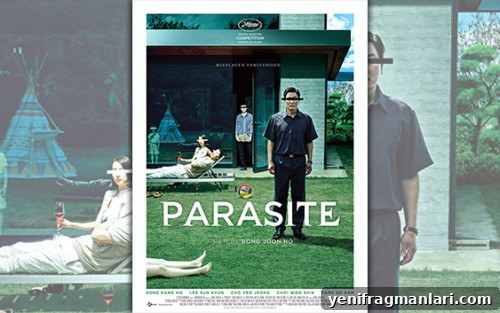
Parasite (2019)
Director: Bong Joon-ho
Screenwriter: Bong Joon-ho, Han Jin-won
Starring: Song Kang-ho, Lee Sun-kyun, Cho Yeo-jeong, Choi Woo-shik, Park So-dam
Bong Joon-ho’s Parasite is a striking blend of dark comedy and thriller that digs into class tensions with a rare combination of wit, suspense and tenderness. After premiering at Cannes, where it won the Palme d’Or unanimously, the film became an international touchstone for smart, socially conscious cinema. Its strength lies in how it resists simple categorization: it moves seamlessly between humor, unease and emotional weight while centering on a family’s efforts to escape economic precarity.
At the heart of the film is meticulous character work. Each member of the lower-income Kim family is introduced with clear motivations and small, humanizing details that accumulate into vivid portraits. The wealthy Park family, by contrast, are portrayed with a different kind of specificity—polished surfaces, curated possessions and an innocent, sometimes naive worldview. The film mines both families for empathy and criticism, letting viewers feel for characters who make morally ambiguous choices without simplifying their struggles.
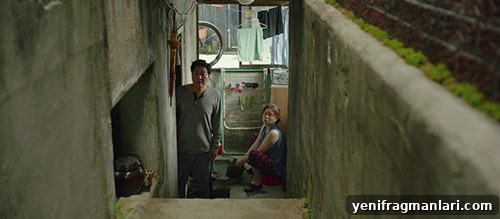
Production design and spatial storytelling play a crucial role in Parasite. The contrasts between living spaces—the cramped, semi-basement apartment of the Kims and the airy, modern house of the Parks—are not just visual backdrops but active elements of the narrative. Stairways, windows and levels in the house underscore social hierarchies and create dramatic tension. Small artifacts, like drawings on the wall, function as shorthand for personality and history, allowing the film to reveal character through environment as much as dialogue.
Bong’s direction balances tonal shifts with precision. Moments of comedy and warmth often precede or follow shocks of violence or despair, which makes those darker turns feel earned rather than sensational. The performances are uniformly strong: veteran actors anchor the story’s emotional core while younger cast members bring a nervous, energetic urgency that keeps the plot propulsive. Cinematography and editing emphasize both intimacy and distance—close-ups reveal private anxieties, while carefully composed wide shots expose social divides.
Some viewers have noted the film’s pacing changes. The narrative flows briskly for long stretches but occasionally settles into a longer sequence that shifts the rhythm before returning to a quicker tempo. Whether interpreted as a stylistic choice tied to a Kishotenketsu-style structure or a matter of editing, these transitions can feel uneven on a first viewing. Yet they also allow the story to breathe and the characters to accumulate meaning, which rewards attentive viewers.
Thematically, Parasite is at once specific and universal. It addresses economic inequality through sharp situational comedy and escalating tension, but it also asks broader questions about dignity, aspiration and the unpredictable consequences of human decisions. The film’s genre flexibility—its ability to be funny, shocking and poignant within the same scene—has helped it break down barriers for genre cinema within serious awards conversations, a trend that became visible in recent years when films blending horror or satire entered the awards mainstream.
Ultimately, Parasite succeeds because it treats its subject matter with complexity and craft. It doesn’t offer tidy moral answers, preferring instead to present characters and situations that prompt reflection long after the credits roll. Whether viewed as a social satire, a psychological thriller or an emotional family drama, the film stands out for its intelligence, its design sensibility and its boldness.
For audiences interested in contemporary world cinema, socially resonant storytelling, or films that combine formal daring with accessible narrative, Parasite is essential viewing. Its combination of phenomenal filmmaking, astute writing and memorable performances makes it a film that invites repeat viewings and discussion.
22/24
Recommended for you: Windows into Bong Joon-ho’s ‘Parasite’