
Polite Society (2023)
Director: Nida Manzoor
Screenwriter: Nida Manzoor
Starring: Priya Kansara, Ritu Arya, Nimra Bucha, Akshaye Khanna, Ella Bruccoleri, Seraphina Beh, Shona Babayemi
The 2023 Glasgow Film Festival brought a wave of exciting premieres, and its closing film, Polite Society, left a strong impression. Director and writer Nida Manzoor delivers a bold, stylish debut feature that blends action, comedy and heartfelt family drama, all set within a vivid British-Pakistani community. The film’s balance of energetic fight choreography, emotional beats and sharp humour makes it an engaging watch that stands out amid contemporary coming-of-age cinema.
Polite Society centers on Ria (Priya Kansara), a British high school student from a Pakistani household who longs to become a stunt performer. She supports her older sister Lena (Ritu Arya) as Lena pursues art school and dreams of recognition as an artist. When their futures are jeopardized by an arranged marriage proposal that threatens Lena’s independence, Ria is forced to take action to protect her sister and reclaim agency for both of them.
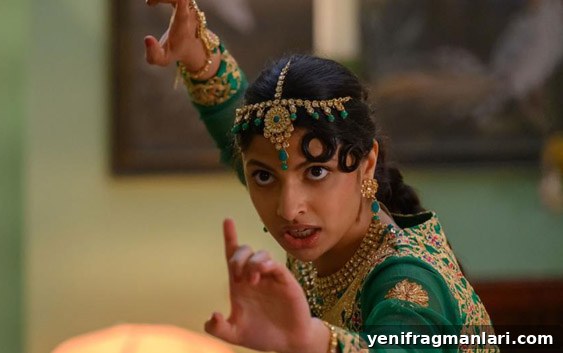
Manzoor introduces us to her vibrant world through a striking opening sequence: a schoolyard brawl between Ria and her nemesis Kovacks (Shona Babayemi). The scene is staged like overlapping comic-book panels with Wire-Fu and arcade-game energy, creating a kinetic, humorous action set piece that immediately establishes the film’s tone. That sequence functions both as spectacle and as character exposition, revealing Ria’s restless spirit, physical skill and willingness to defy expectations.
Action is essential to the film’s identity, and the placement of each fight and stunt is consistently effective. Manzoor displays a clear sense of structure, using escalating action beats to raise stakes and propel character development. Each sequence builds logically from the last, increasing tension while maintaining the film’s playful spirit. The choreography and framing are inventive, lending an almost graphic-novel texture to the action while remaining relatable and grounded in character motivation.
Between action set pieces, the screenplay shines in its character work. Manzoor populates the story with colourful, well-drawn supporting roles who contribute both humour and emotional weight. Ria’s friends Alba (Ella Bruccoleri) and Clara (Seraphina Beh) provide lively, affectionate banter that recalls the camaraderie of modern teen comedies; their chemistry emphasizes the warmth of chosen family and youth culture. Equally memorable is Nimra Bucha as Raheela, the overprotective mother of Lena’s prospective husband. Bucha plays Raheela with deliciously heightened theatricality—part camp, part menace—creating a comic antagonist who is as formidable as she is entertaining.
The narrative itself follows familiar coming-of-age beats—ambition, familial duty, rebellion, and self-discovery—but it is the film’s voice and stylistic choices that make the experience distinctive. While the arc may be predictable in broad outline, Manzoor’s careful attention to emotional truth and cultural texture makes the journey feel fresh. The stakes feel sincere because the characters are vividly realized, and their choices carry emotional consequence rather than simply serving plot mechanics.

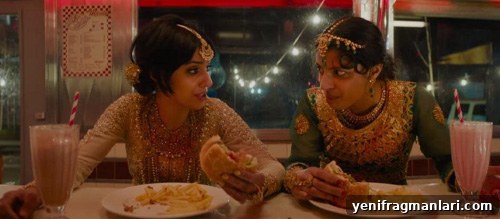
Performances are a core strength. Priya Kansara stands out with a lead turn that feels natural and deeply felt. She balances physicality and vulnerability, making Ria both a believable adolescent and a charismatic protagonist. Ritu Arya brings emotional depth to Lena, conveying the anxieties of a young woman facing conflicting pressures around career and marriage. The sibling chemistry between Kansara and Arya is convincing and touching; their interactions capture the layered intimacy of sisters who know each other’s flaws and strengths.
Beyond performances, the film delights with costume design, production detail and a confident visual approach. Costumes help define the characters and amplify the film’s vibrant tone, while set pieces and cinematography support both comedy and action without losing sight of emotional clarity. The result is a cohesive vision in which style and substance enhance one another.
As a feature debut, Nida Manzoor demonstrates both technical savvy and a distinctive creative voice. She juggles tonal shifts—humour, action and heartfelt drama—with assurance, delivering a film that is entertaining, emotionally resonant and culturally specific without feeling narrower for it. Polite Society is an energetic crowd-pleaser with heart and originality, a film that showcases emerging talent in front of and behind the camera.
For audiences seeking something both fresh and familiar—a modern coming-of-age story infused with inventive action and warm character moments—Polite Society is a strong recommendation. It offers a lively blend of spectacle and sincerity, anchored by memorable performances and a bold directorial vision.
Score: 21/24