
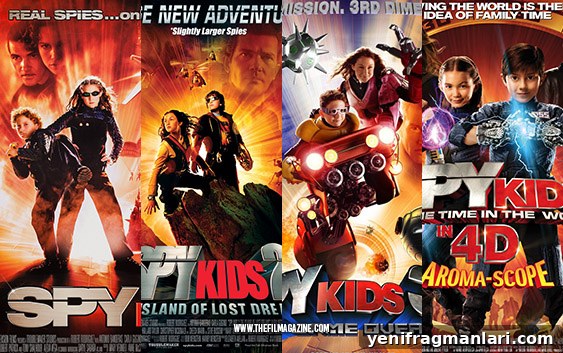
Spy Kids Movies Ranked: A Nostalgic Look at Robert Rodriguez’s Family Spy Franchise
It has been two decades since the original Spy Kids debuted and a decade since the franchise’s most recent entry. Director Robert Rodriguez has confirmed the Spy Kids films exist in the same universe as Machete, which means the kids’ Uncle Machete (Danny Trejo) is indeed the same character from that series. These family-friendly adventures inspired a generation, showing kids they could be just as clever and courageous as their parents.
Celebrated for empowering representation and consistent family messages, the Spy Kids franchise became a staple for many viewers raised in the early 2000s. Full of recognizable faces and memorable catchphrases, the series continues to spark nostalgia. Below, The Film Magazine revisits all four films in the Robert Rodriguez series, ranking them by quality, longevity, and lasting appeal.
4. Spy Kids 4: All the Time in the World (2011)
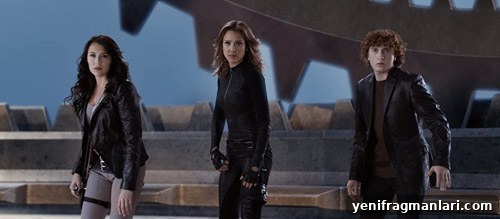
Spy Kids 4: All the Time in the World is the weakest entry in the series. Released a decade after the third film, it centers on a mostly new family—Aunt Marissa (Jessica Alba) and her children—rather than the original Cortez kids, which contributes to a disjointed feel.
The plot involves the villainous Time Keeper attempting to accelerate time to the point that it runs out. For a movie about valuing time, much of the story feels inconsistent: the time-acceleration concept is underdeveloped and often only highlighted when convenient to the plot, and several character motivations are muddled. The presence of a spy-hunter husband and the inclusion of broad humor—sometimes juvenile—undercut the film’s emotional stakes. Ricky Gervais’s comic turn lands unevenly, and the film leans heavily on slapstick and bathroom humor.
There are brief moments of nostalgia—Carmen and Juni reappear, a few classic lines are revived, and there’s a cameo from Machete—but these touches aren’t enough to overcome the film’s weaker story and tonal inconsistency. Overall, Spy Kids 4 feels like a lesser rehash of the franchise with an overreliance on gags instead of heart.
3. Spy Kids 2: The Island of Lost Dreams (2002)
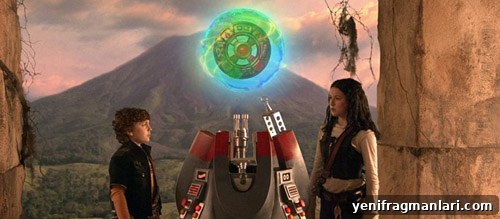
Spy Kids 2 is a strong sequel that expands the original’s world while keeping its charm. The film takes Carmen and Juni to an invisible island where Dr. Romero (Steve Buscemi) conducts genetic experiments, producing fantastical hybrid creatures. The visual effects, while rooted in early-2000s CGI, still hold nostalgic appeal for many viewers.
This installment introduces the Giggles family—initial rivals who become beloved recurring characters—and adds depth with the kids’ grandparents (Ricardo Montalban and Holland Taylor), who help drive the rescue plot. The sequel builds on what worked in the first movie—family themes, inventive gadgets, and a starry cast—while offering a fresh, imaginative storyline. It balances action and humor well and delivers memorable moments and one of the series’ most striking lines: “Do you think God stays in heaven because he too lives in fear of what he’s created?”
2. Spy Kids (2001)
Spy Kids Review
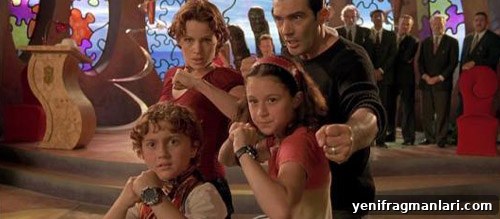
The original Spy Kids introduced Carmen and Juni Cortez and remains a heartfelt family adventure. When the children discover their parents (Antonio Banderas and Carla Gugino) are secret agents and are subsequently kidnapped, the siblings use ingenuity and a collection of inventive spy gadgets to rescue them.
The film’s strengths lie in its clear messages: effective family communication, forgiveness, and the empowerment of children. Machete’s relationship with his family evolves toward reconciliation, and even the villain Floop ultimately learns the truth about his own ally, Minion. The subplot about underestimating children underscores the movie’s core theme—kids can be resourceful and brave when given agency.
Spy Kids combines family warmth with playful adventure and a standout cast. The movie also closes with a memorable cameo from George Clooney as Devlin, a character who resurfaces in later entries, tying the series together.
1. Spy Kids 3-D: Game Over (2003)
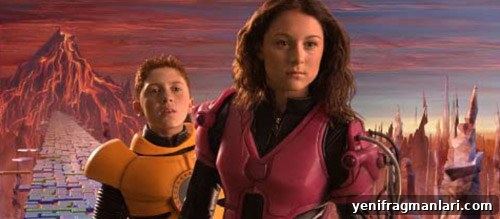
Spy Kids 3-D: Game Over earns the top spot for its spirited blend of comedy, action, and family emotion. The film leans into CGI and video-game aesthetics—not always flawless, but still entertaining and effective for audiences who remember the era.
The story follows Juni as he returns to the OSS to rescue Carmen, who is trapped inside a virtual game created by The Toymaker (Sylvester Stallone). The movie introduces new allies and cameos, and it stages a climactic final battle where all the franchise’s notable characters unite. The Toymaker’s scheme—to addict children and control them through his game—gives the film a relevant cautionary theme about screen time and the potential dangers of obsessive gaming.
Game Over excels at both its opening and its finale. The film opens with a humorous, noir-tinged sequence that presents Juni as a hardened kid detective solving small, child-centered mysteries, which creates sharp, character-driven comedy. The finale is emotionally resonant and action-packed: heroes from across the series join forces in a large-scale showdown against giant robots, and the emotional payoff centers on family and forgiveness—especially a poignant moment when Grandpa confronts a robot and forgives the Toymaker for past wrongs. That blend of spectacle and heart makes Spy Kids 3-D a satisfying high point for the franchise.
Which Spy Kids movie is your favorite, and which moments stick with you most from the series? Share your thoughts in the comments below. Follow The Film Magazine on social media to stay updated with more lists and film coverage.