
The Code – Movie Review | Interview with Dasha Nekrasova, Eugene Kotlyarenko, and Peter Vack
The Code: A review and conversation with Dasha Nekrasova, Eugene Kotlyarenko, and Peter Vack. This trio—friends and frequent collaborators—explores how technology, social media, and surveillance shape narratives of authorship, intimacy, and agency. The Code is deliberately provocative and unconventional: dense, playful, and sometimes disorienting. It may not be for everyone, but it delivers an unsettling, intriguing take on contemporary life online.
Director’s Statement from Eugene Kotlyarenko
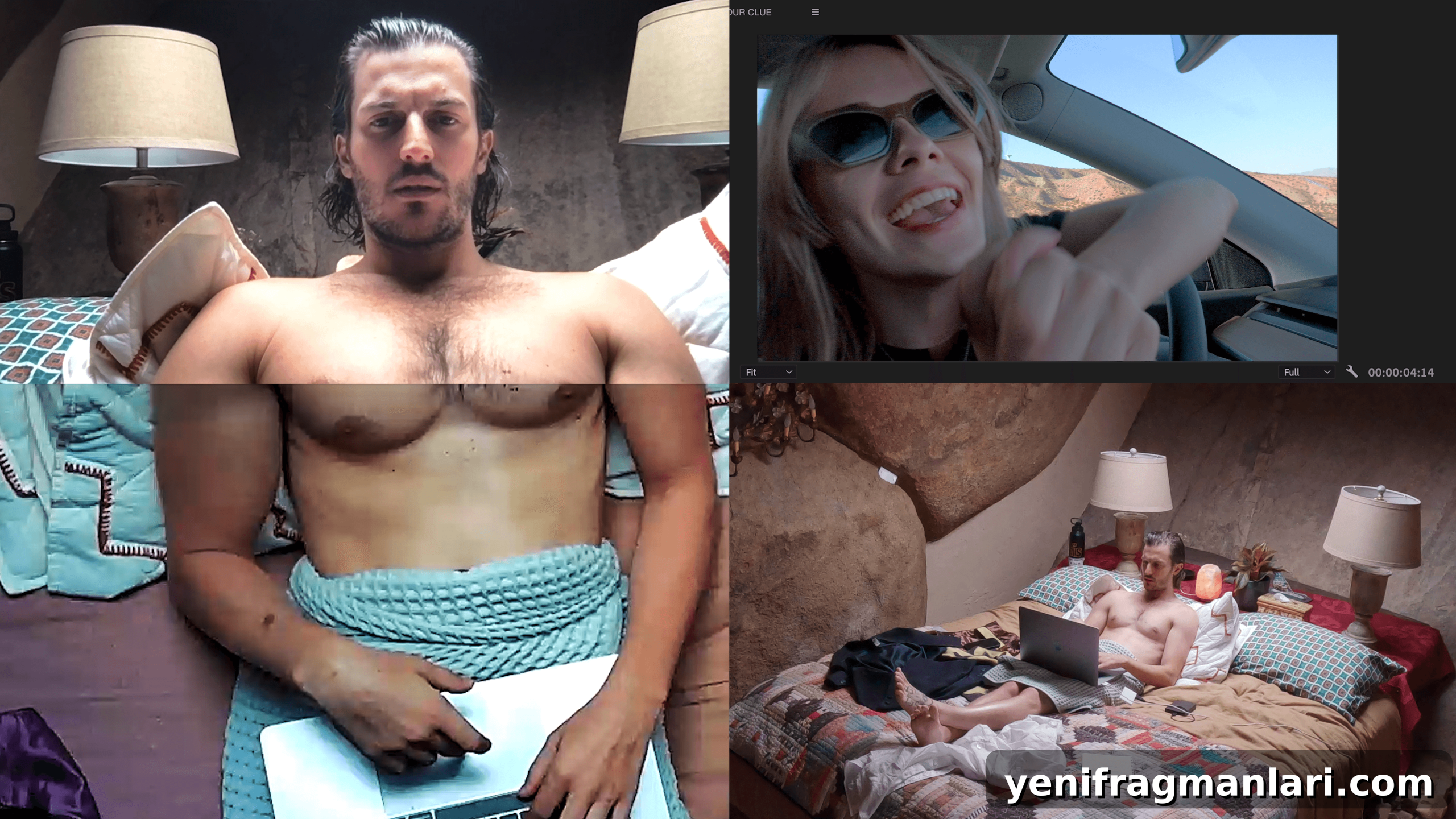
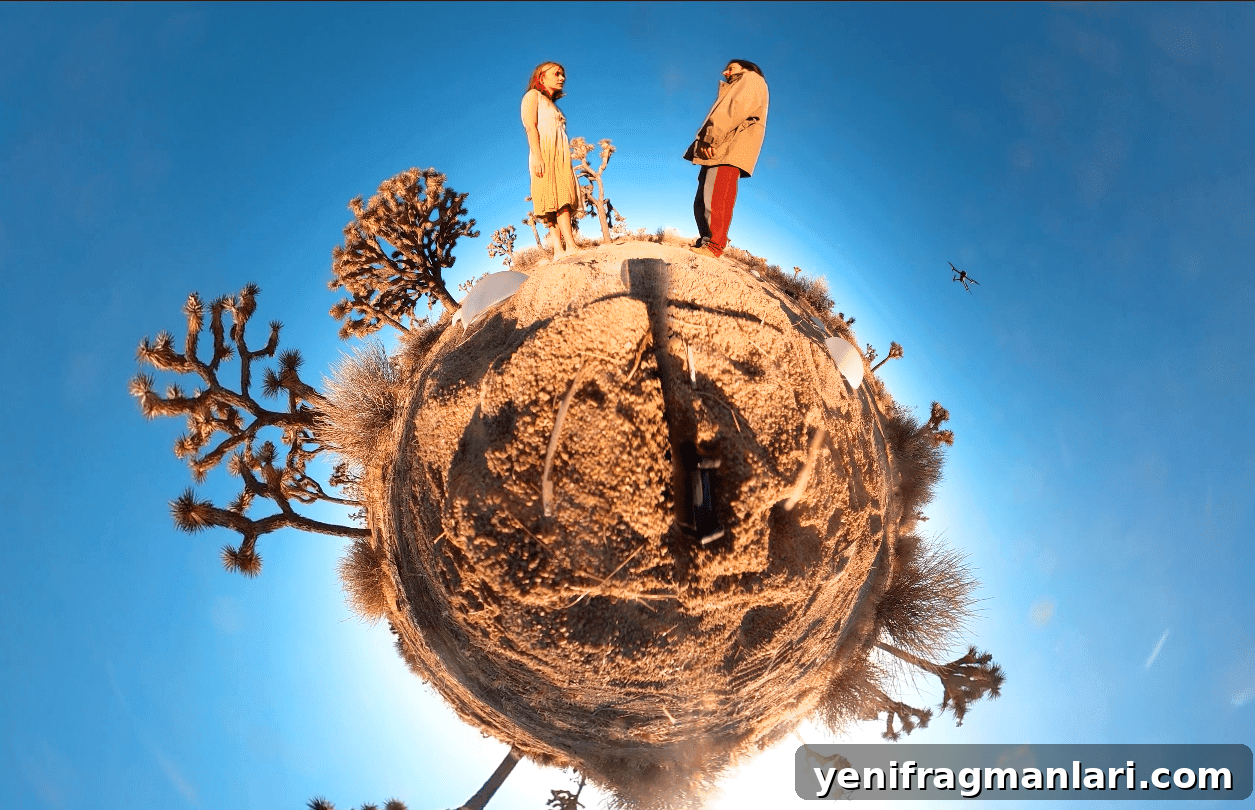
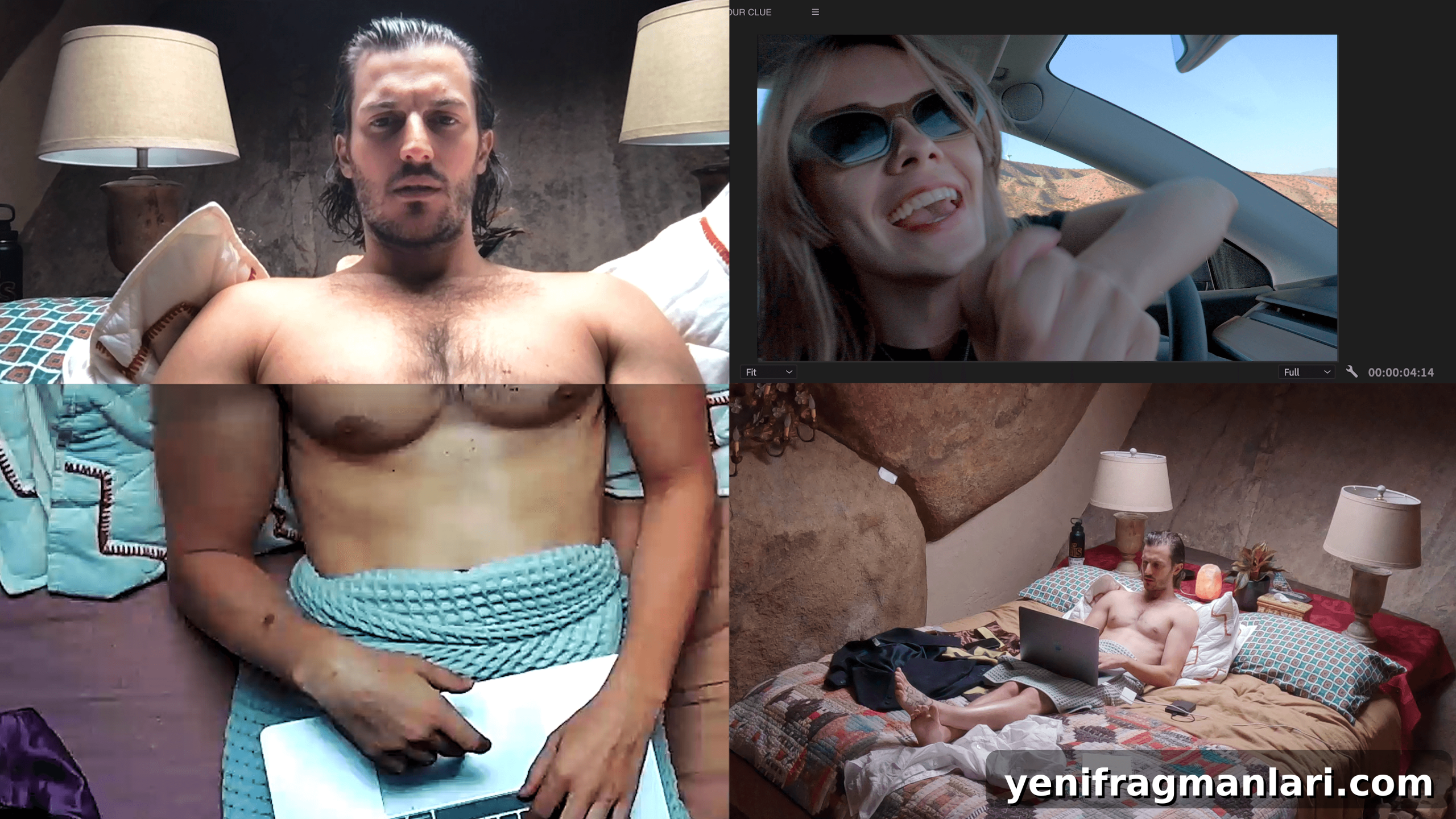
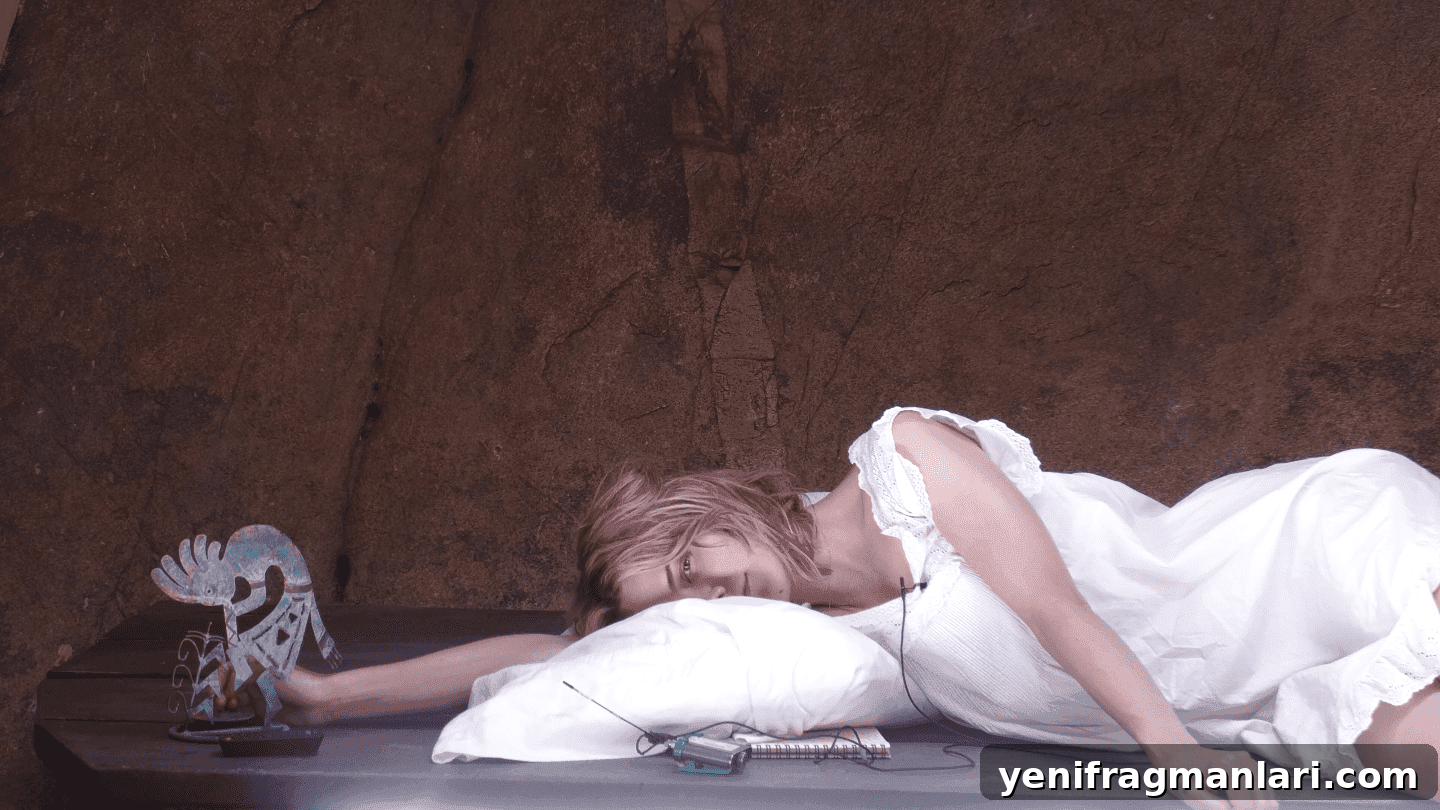
The Code aims to update the cinematic language for a new era of viewing. By mixing surveillance footage, social media, documentary forms, pornography, reality TV, and more, the film comedically asks a vital contemporary question: who controls a narrative—culturally, politically, and within intimate relationships? Making editing itself a plot element invites viewers to consider destabilized authorship and the power of the cut. I also wanted to rethink cinematic voyeurism, especially our obsession with “other people’s phones.” The writer Junichiro Tanizaki influenced the film’s interest in desire, unreliable perspectives, and scheming lovers. Formally, the movie also borrows from a lineage of sex comedies and filmmakers who explore eroticism and mischief. This is my seventh feature and feels like a summation of my ongoing formal and thematic concerns. It was produced with a smaller, more intimate team than my previous feature, and I hope that feeling of closeness reaches the audience.
Interview
Describing The Code and How Kotlyarenko, Nekrasova, and Vack Came Together
Adam Manery:
The film engages with surveillance, social media, voyeurism, pornography, and technology. How do you describe The Code when someone asks what it’s about?
Eugene Kotlyarenko:
It’s complicated because it covers a lot of territory. At its simplest, it’s about a couple who fear the other will “cancel” them, so they install hidden cameras to catch compromising behavior. In the process of surveilling each other, they perform, manipulate, and—somehow—attempt to repair their relationship. That description captures the surface action, but the film also explores so many layers about control, authorship, and how editing shapes truth.
AM:
It’s accurate, but the movie rewards direct viewing—there’s more than summary can convey.
EK:
I’m frustrated by predictable, formulaic films where the plot is obvious in the first minutes. I wanted something unpredictable, freewheeling, and a bit wild—an experience that keeps viewers guessing. Of course, people ask for a compact logline, so I give them one. But there are dozens of other threads that only reveal themselves in the film.
AM:
You three have collaborated in various configurations—how did this team form?
EK:
We’re friends, which helped a lot. That trust allowed us to explore risky territory around sexuality and relational dynamics. Dasha and I have known each other for years; Peter and I, too. In many ways I connected them, but the friendships predate the project and made it easier to be vulnerable and adventurous on set.
Dasha Nekrasova:
I met Peter through Eugene at a screening years ago. We’ve worked together in different ways, so this collaboration felt natural and comfortable.
The value of using real footage between real people for fictional characters is unique and relevant to how we all become central characters in our narratives due to social media and constant video technology. – Eugene Kotlyarenko
EK:
Some of the images and moments in the film are real artifacts from friendships and past moments. I’ve used real footage before to blur the line between lived experience and fiction, and with social media making everyone a central figure in their own story, it felt appropriate to incorporate authentic material into the narrative.
Improvisation on Set and the Pull of the Internet
AM:
The film feels spontaneous. Was that scripted or improvised?
Dasha Nekrasova:
Surprisingly, this was the most scripted of Eugene’s films. We stuck closely to the text, though there were moments of improvisation that felt natural. That balance—strong scripting with room for actors’ instincts—made the film feel alive.
EK:
I did work hard on the script and wanted certain beats to land. But I also left space for Peter and Dasha to bring their instincts. The result kept the script’s structure while allowing spontaneous, funny moments to surface. As performers and collaborators, we found a productive middle ground.
If you’re not talking about the Internet and relationships around it, you’re not speaking about today. – Peter Vack
AM:
You’ve all repeatedly explored internet culture and relationships. What draws you to that material?
Peter Vack:
The Internet is everywhere in our lives. My screen time is ridiculous, and I think that’s common. Many films ignore it or act like it doesn’t exist, which makes them less relevant. Talking about online life keeps cinema connected to how people actually live.
EK:
There’s a dual challenge: how to make phone screens, social feeds, and surveillance feel cinematic—funny, tense, or eerie—and how to visualize that experience. With The Code, I foreground surveillance, reality formats, smartphones, and especially the edit. Editing controls contemporary media; making the cut visible forces audiences to ask who shapes the story they’re shown.
Editing as a Plot Device and Future Work
AM:
Editing is integral to the story. How did you manage so many cameras and perspectives in post?
EK:
The volume of footage was massive. Tucker Bennett and Sabrina Greco were fantastic editors who tackled everything aggressively. We had intimate two-person scenes and larger sequences with dozens of cameras. The editing process felt like pioneering work—sorting layers, deciding emotional through-lines, and ensuring the comedy and drama cut through the experimental textures. I kept refining the film after their initial cuts to sharpen the story.
AM:
Any upcoming projects or future collaborations between you three?
PV:
I have another film, Rachelormont.com, featuring Dasha and others, which continues exploring related themes. I’ve also written a debut novel that’s forthcoming.
I’d love to get pregnant soon and probably start a family. – Dasha Nekrasova
EK:
Dasha hosts a compelling weekly podcast that many enjoy. I’m excited to tour The Code and for audiences to engage with a film that foregrounds new kinds of images and ideas. If viewers want to see more of my work, films like Spree and Wobble Palace offer context for where this project grew from.
DN:
I have small roles in a couple of high-profile films coming out, and personally I’m thinking about family plans. There’s a lot on the horizon for all of us.
AM:
Thanks for the conversation. The Code is a provocative, inventive film that asks viewers to rethink surveillance, authorship, and intimacy in the digital era.
You can find more interviews here
You can find film reviews here