

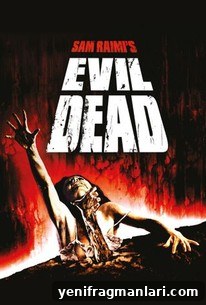
Evil Dead (1981)
Director: Sam Raimi
Screenwriter: Sam Raimi
Cast: Bruce Campbell, Ellen Sandweiss, Richard DeManicor, Betsy Baker, Theresa Tilly
Evil Dead remains one of the most influential independent horror films of its era. Dismissed by some as just another cabin-in-the-woods tale, it in fact revitalizes the trope through relentless imagination, raw energy and inventive filmmaking. This low-budget shocker proves how far enthusiasm and resourcefulness can go: every corner of the movie bears the marks of a crew willing to solve problems creatively and push scares beyond the expected.
The film grew directly from the ambitions of three friends who had been making short films together: Sam Raimi (director/writer), Bruce Campbell (actor) and Rob Tapert (producer). They raised money, even taking out loans to blow up their Super 8 footage to 35mm, and that do-it-yourself determination is visible in the film’s rough, compelling aesthetic. The result is not just a horror movie but a manifesto for what can be achieved outside studio constraints.
The premise is straightforward: a group of young people head to an isolated cabin for a cheap getaway fueled by booze and flirtation. The cabin feels wrong from the start, and Cheryl—the lone single member of the group—senses it most acutely. When they find a tape recorder and play its contents, they unwittingly unleash an ancient evil from a book they discover: the notorious “Book of the Dead.” The incantations summon malevolent forces that possess the group and transform them into murderous Deadites. The film then becomes a brutal siege thriller, where survival depends on gruesome and decisive action.
What distinguishes Evil Dead is Raimi’s combination of tonal control and stylistic daring. Although the film features darkly comic moments, it plays straight as a piece of horror—its humor only sharpens character and tension rather than undercutting fear. Raimi’s characters are vivid in their flaws: Cheryl, socially uncomfortable and increasingly terrified; Scott, reckless and cruel; and Ash, the fumbling everyman who gradually becomes the reluctant survivor. These personalities make the terror feel personal and credible, heightening the film’s emotional stakes.
Raimi’s approach to scares is patient and methodical. Rather than relying on quick jump scares or an overabundance of blood for shock value, he builds tension across extended sequences that leave viewers off-balance and unable to settle. When the violence comes, it is sustained and unyielding—an onslaught that refuses to let the audience breathe. One prolonged set piece, in which a possessed character brutally attacks the others, exemplifies this method: the scene extends a harrowing period of dread and physical horror, culminating in a cathartic but deeply unsettling resolution.
The film’s practical effects and camera work are crucial to its power. Raimi and his team employed innovative, hands-on techniques—swooping camera moves, low-angled shots, and practical rigs—to create disorienting motion and grotesque physicality. Effects range from convincing prosthetics and fake blood to textured solutions like milk-like fluids and porridge for decay sequences. These tactile choices give the horror an organic, visceral quality that still reads as authentic compared with some modern CGI-driven productions. Sound design plays a similarly vital role: distorted ambient noises, layered screams and unnerving recorded elements amplify the film’s oppressive atmosphere.
Critics sometimes point to uneven acting or dated stop-motion as flaws, and Bruce Campbell himself has admitted to feeling embarrassed by certain moments. Yet those very qualities contribute to the film’s character. The performances can feel raw and unpolished—appropriate for people confronted with incomprehensible terror—and the stop-motion and practical effects retain a charm and uncanny quality that CGI often lacks. Rather than undermining the film, these elements reinforce its identity as a handmade exercise in fear.
More than three decades after its release, Evil Dead has endured because it marries obsessive creativity with effective horror craft. Raimi, Tapert and Campbell used the project as both a calling card and a labor of love: production was physically demanding, shot in freezing conditions inside a dilapidated cabin, and post-production stretched long after principal photography ended. That endurance paid off. The film inspired subsequent generations of filmmakers and helped solidify horror’s reputation as fertile ground for independent talent and experimentation.
Today, when many studio horror films prioritise formula and spectacle over personality, Evil Dead stands as a reminder of the potency of small-scale invention and unfiltered ambition. Its legacy is not only in the sequels and remakes it spawned, but in the example it set: with imagination, craft and sheer determination, a modest production can create unforgettable terror.
Score: 21/24
Recommended for you: 10 Best Sam Raimi Movie Moments