
The Full Monty (1997)
Director: Peter Cattaneo
Writer: Simon Beaufoy
Starring: Robert Carlyle, Tom Wilkinson, Mark Addy, Hugo Speer, Lesley Sharp
The Full Monty is much more than a northern British comedy about men who strip on stage. Released in 1997, the film emerged from the UK’s vibrant mid-to-late 1990s cinema boom and quickly became a cultural touchstone. Celebrated by critics and audiences alike, it earned multiple high-profile nominations and awards, including recognition at the Academy Awards and a BAFTA for Best Film. Beyond its commercial success, the film inspired a stage musical, a theatre adaptation, and has influenced popular cultural events and television programming.
The story is set in Sheffield and captures the city’s uncertain transition after industrial decline. The film opens with archival-style footage promoting “Sheffield: City on the Move,” but this upbeat picture is immediately undercut by a title card reading “25 years later.” That contrast sets the tone: the once-thriving industrial city is now hollowed out. We meet Dave (Mark Addy) and Gary (Robert Carlyle) in an abandoned steelworks, attempting to steal a beam from the place that once employed them. The empty, cavernous mill visually communicates the loss of work and the erosion of livelihoods, while the characters’ actions begin to suggest how men might capitalize on their bodies to survive in a changed economy.
Director Peter Cattaneo and writer Simon Beaufoy frame the film as a study of masculinity in flux. Women in the film are often shown as relatively secure and empowered: they hold jobs, manage household finances, and have effectively taken over many of the social and economic spaces once dominated by men. That shift forces the male characters to confront old notions of pride and traditional gender roles. The protagonists must grapple with humiliation, resentment, and the necessity of adapting — embodied literally when they decide to form a male strip act to earn money.
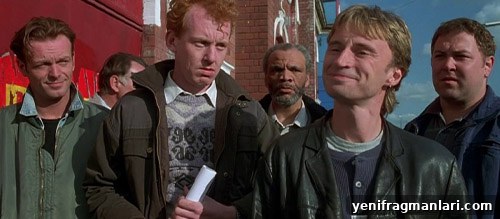
The film explores diverse expressions of working-class masculinity rather than presenting a single, monolithic model. Gary struggles to find his footing as a single father on the dole; Dave is unsure of his place at home now that his wife is the primary earner; Gerald (Tom Wilkinson) faces the collapse of his middle-class lifestyle after losing his job. Each character navigates emotional and practical challenges differently, revealing the complexity of identity, dignity, and survival when stable employment disappears.
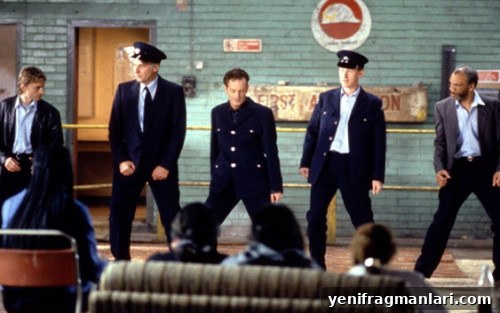
Humour and pathos coexist throughout the narrative. The film delivers memorable comedic moments — the dance sequence at the job centre, the chaotic auditions that unearth Guy (Hugo Speer) as a surprising source of comic talent — and balances them with weightier scenes touching on despair and loss. The script does not shy away from the harsher realities of unemployment, including discussions of mental health and the desperation that can follow economic ruin. That blend of warmth, wit, and genuine social concern is a large part of what has kept the film resonant and beloved.
At its heart, The Full Monty is about community and the ways people adapt when their roles and routines are upended. The men’s decision to perform — to expose themselves literally and metaphorically — becomes a form of collective reinvention. Stripping, usually coded as a feminine profession, is reclaimed as a strategy to restore agency and provide for loved ones. The transformation is as much emotional as it is practical: through humour, camaraderie, and courage, the men reclaim a sense of purpose and belonging.
The film’s mix of intimate character observation and broad comic appeal helped it resonate beyond British shores, earning international attention and long-term admiration. It remains a defining example of late-1990s British cinema: socially engaged, emotionally honest, and funny without ever losing sight of the real human costs behind its jokes.
Score: 24/24