
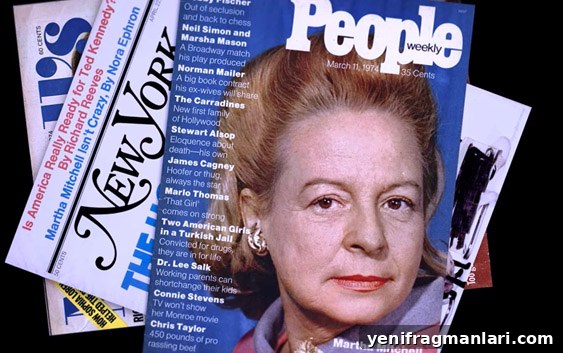

The Martha Mitchell Effect (2022)
Directors: Diane Alvergue, Debra McClutchy
Have you heard of the Martha Mitchell Effect? It describes a disturbing pattern in which a person’s accurate observations are dismissed as delusions, only to be verified later. The term takes its name from Martha Mitchell, the outspoken wife of John N. Mitchell, who served as United States Attorney General during President Richard Nixon’s administration. As the Watergate scandal unfolded, Martha Mitchell repeatedly spoke out to the press about misconduct she observed within the Republican Party. Rather than being believed, she was silenced through a campaign of intimidation, confinement, and medical abuse that included sedation. Her warnings were initially dismissed as the ravings of an eccentric public figure, but subsequent events proved her right: the Nixon administration was entangled in criminal activity that ultimately brought down the presidency.
Although the events took place more than fifty years ago, Martha Mitchell’s story continues to resonate. It exposes how political power can be used to suppress inconvenient truths and how institutions and the media can conspire to discredit those who challenge them. Mitchell’s voice reached millions at a time when television and newspapers shaped public opinion, and her charisma and persistence made her a notable and controversial figure. She had been deeply involved in Republican campaigning, working to mobilize women voters and influence the press. Her role placed her close to the centers of power, and her public visibility made her an early target when her allegations threatened powerful interests.
Directors Diane Alvergue and Debra McClutchy take on the task of retelling this story in the documentary The Martha Mitchell Effect. Rather than dwelling exclusively on the most sensational personal abuses Mitchell endured, the film situates her experiences within the broader political and cultural context of the era. It shows how gender, media dynamics, and partisan loyalty combined to enable her persecution. By framing her ordeal as an example of systemic gaslighting, the documentary offers a timely meditation on how society treats those who speak uncomfortable truths.
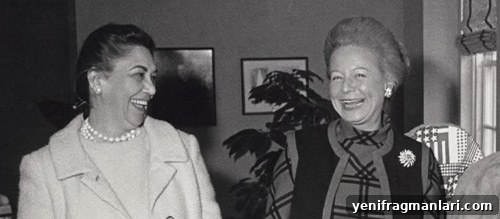
The film’s construction is meticulous and resourceful. It weaves together archival television interviews, campaign footage, home videos, and candid street footage to recreate a vivid portrait of Mitchell and the world around her. Contemporary voiceover interviews with people who were involved in the events provide commentary and reflection, often juxtaposed directly with archival images that place the speakers in their historical context. This editorial approach heightens the documentary’s credibility and gives viewers a sense of how painstaking the research must have been to locate and verify so many contributors and sources.
No documentary is free from interpretive choices, and The Martha Mitchell Effect is no exception. The filmmakers make decisions about emphasis and omission; some viewers may feel the film downplays aspects of Mitchell’s political positions that are problematic or controversial. Rather than exploring all aspects of her views in depth, the documentary concentrates on the story of her marginalization and the mechanisms used to silence her. This narrow focus strengthens the film’s argument about institutional gaslighting but means it offers a partial portrait of a complex public figure.
At roughly 40 minutes, the film is concise and focused. It avoids unnecessary digressions and delivers a clear narrative: a woman who began as a committed party advocate becomes a whistleblower whose truths are suppressed by those she once supported. By presenting Mitchell’s transformation from campaign insider to vocal critic, the documentary invites reflection on loyalty, conscience, and civic duty. It portrays her as someone whose ultimate allegiance was to the integrity of the nation rather than to partisan loyalty, and in that sense it casts her as an unexpectedly heroic figure.
Films that revisit overlooked or misunderstood historical figures perform an important public service. They challenge prevailing narratives, introduce new evidence, and prompt audiences to reassess the past. The Martha Mitchell Effect does not claim to be exhaustive, but it succeeds in its goals: it explains the origin of a term that captures a recurring social injustice, restores attention to a mistreated woman who warned of corruption, and encourages viewers to question how institutions respond to inconvenient truths.
Score: 15/24
The film is currently available to stream on Netflix. It also forms part of ongoing discussions and coverage of contemporary short documentaries and their role in preserving and reinterpreting historical memory.