The Gray Man (2022)
Directors: Anthony Russo, Joe Russo
Screenwriters: Joe Russo, Christopher Markus, Stephen McFeely
Starring: Ryan Gosling, Chris Evans, Ana de Armas, Billy Bob Thornton, Regé-Jean Page, Jessica Henwick, Julia Butters, Dhanush, Alfre Woodard
The Gray Man arrives as another high-budget streaming blockbuster that seems designed more to capture clicks and short-form attention than to engage or move an audience. The Russo brothers, who earned widespread acclaim steering major franchise entries, clearly understand the mechanics of contemporary action cinema—fast cuts, stylized fights, vivid color palettes and glossy production design. But in this case those techniques are applied in service of a film that rarely feels like more than an assembly of marketable moments: attractive actors in designer clothes, stunt beats primed for trailer packages, and a relentless pursuit of viral-friendly imagery.
The movie’s strengths are easy to identify on a checklist: globe-trotting locations, sharply photographed set pieces, and stunt choreography edited to emphasize impact. Yet those virtues are undermined by a thin script and a pervasive sense of calculation. Scenes exist to be clipped and promoted rather than to deepen character or advance narrative in a meaningful way. The result is a glossy, sleepwalking action film that borrows familiar tropes from spy and assassin thrillers without earning them.
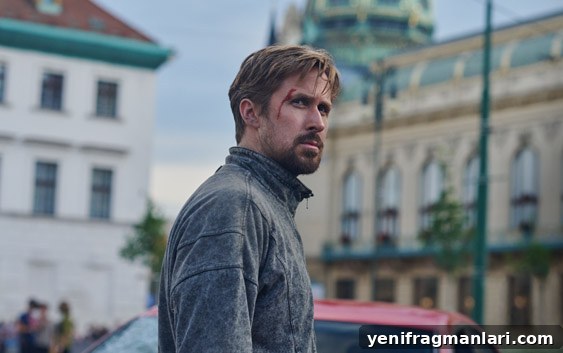
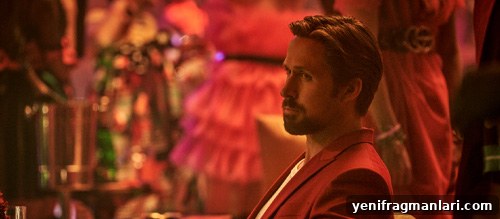
Ryan Gosling plays a laconic operative whose charisma and nuance—qualities he has demonstrated in both dramatic and genre work—are largely stifled here. The script writes him as a muted archetype, a functional center meant to anchor exposition rather than invite empathy. That underuse of Gosling’s talents leaves his performance feeling hollow compared with his more compelling turns in previous films.
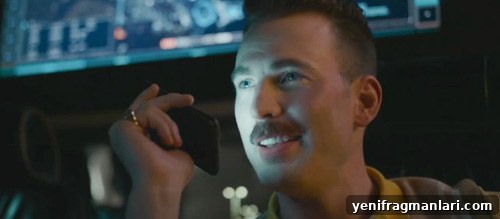
Chris Evans occupies the other side of the coin, leaning into broadness and caricature. His antagonist is intentionally loud and eccentric, a performance that aims for viral moments but often reads as overblown. Some sequences land as unintentionally comic, not because they’re sharply written as comedy but because the tone wavers between menace and silliness. Evans’s energy is undeniable, but the role’s tonal confusion prevents it from coalescing into a memorable villain.
Among the supporting cast, Ana de Armas stands out by bringing charisma and physical presence to her part. She offers the film its clearest spark, even when the surrounding material does not fully support her character. Other veteran performers—Billy Bob Thornton and Alfre Woodard—are underutilized, given little to do beyond registering familiar beats. Regé-Jean Page, cast as a flashy antagonist, leans into theatricality that feels mismatched to the material, highlighting how inconsistent direction and scripting leave performers working at cross purposes.
Technically, the film is a mixed bag. Some action sequences are visceral and well-staged, but others suffer from overreliance on CGI or visible shortcuts. There are moments where compositing and green-screen work are noticeable enough to pull the viewer out of the action. The cinematography and production design are sleek, but the film’s visual polish often feels like surface-level ornamentation rather than expressive storytelling.
Pacing is a persistent issue. The Gray Man runs long for a film aiming at audience members accustomed to bite-sized entertainment, yet it rarely rewards patience with substantive development. Anticipation is manufactured and then quickly dissipated; set pieces follow predictable beats without surprising the viewer. This structural thinness leaves the film stranded between two audiences: those who want fast, mindless thrills and those who expect craft and depth from a prestige production.
More broadly, The Gray Man exemplifies a current trend in streamer-funded tentpoles: high production values paired with a formulaic approach that prioritizes virality and marketability. In that sense, it reads as a product tailored to algorithmic consumption—optimized to be clipped, shared, and monetized—rather than as a coherent artistic statement. When blockbuster cinema aspires only to be a consumable commodity, it risks losing the personality and risk that make the best entries in the genre memorable.
There are moments of genuine entertainment, and viewers who favor brisk spectacle and recognizable faces will find material to enjoy. Still, given the caliber of the filmmakers and cast involved, the film feels like a missed opportunity: a project with the ingredients for something bolder or more distinctive that instead settles for slick, forgettable efficiency. In a season that also produced daring and resonant hits, this film’s reluctance to embrace nuance or originality is especially notable.
3/24