
Review: The Happytime Murders — A Raunchy Puppet Noir That Misfires
Did anyone seriously expect critics to embrace The Happytime Murders? The film arrived amid harsh headlines—Vanity Fair even suggested it “may be the worst movie of the year” after its August release—and many reviews labeled it a “depressing puppet show,” “dead on arrival,” or “boring dreck.” Those reactions aren’t surprising. Still, despite its many flaws, the movie is not without moments that work, and it’s worth unpacking what succeeds and what fails.
The Happytime Murders is immature by design. Its humor rarely rises above what you might find in an episode of South Park or Family Guy. The picture trades in shock value: puppets engaging in sex, drug use, and other deviant behavior are played for laughs, and the film lingers on grotesque gags—an octopus milking a cow or an extended sight gag involving a protagonist and a novelty “silly string” moment. That raunchy tone will alienate viewers who expect subtler satire, but it’s not accurate to call the movie entirely bereft of craft. There is a coherent attempt at storytelling and some genuinely solid puppet work beneath the crass exterior.
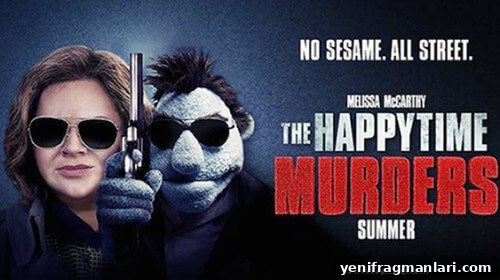
Structurally, the film follows a familiar noir-pattern translated into puppet-parody form. The protagonist is an ex-cop turned private investigator who’s pulled back into action after a femme fatale seeks his help with a blackmail problem. As he follows the trail, the case swells into a conspiracy to kill the cast of a TV show, and he teams up with an old partner—played by Melissa McCarthy—to solve the murders. The detective beats, the partner dynamic, and the betrayals are all standard genre ingredients, and the screenplay largely uses those conventions effectively. The plot isn’t ambitious, but it functions as a workable backbone for a parody of PI noir.
Where the film becomes troublesome is its thematic mixed signals. Early on it lays out a clear premise: puppets are discriminated against in this world, and antagonists voice prejudices meant to parallel real-world racism. The movie seems to want to condemn that bigotry. But two problems undercut that ambition. First, the absurd, over-the-top tone makes it difficult for any serious social message to land. Second, casting puppets as a stand-in for oppressed groups—particularly when many of the puppet jokes revolve around deviant sexual behavior and substance use—creates an uneasy tension. Viewers with even a basic awareness of the history of racism may find some of those gags uncomfortable rather than satirical.
Set aside the racial reading, and there are still comedic kernels worth noting. Some of the script’s ideas are genuinely funny: a sex-obsessed rabbit puppet, the concept of puppets “doing sugar” as a stand-in for drug use, and the absurdities of puppet anatomy produce chuckles when the film leans into simple, well-timed jokes. The movie often opts for visual gag logic instead of rigorous anatomical explanation—how would a human receive a puppet organ transplant? The filmmakers wisely avoid over-explaining, choosing instead the version of the joke that lands quickest. That approach keeps the pace moving and preserves the comic intent.
Acting-wise, Melissa McCarthy is a highlight. She commits fully to the ridiculousness of the premise—snorting candy powder, shouting at puppets, and bringing her usual physical and verbal energy to the role. McCarthy has always excelled in parts where conflict and chaos drive the comedy, and here she gives the movie exactly what it needs. By contrast, Joel McHale’s presence is uneven. His character pops up at odd moments, and his chemistry with the puppets and other actors isn’t as infectious as McCarthy’s. McHale is effective when playing exasperated villains or authority figures, but he rarely elevates the material beyond its baseline.
So how bad is The Happytime Murders? It’s flawed and frequently juvenile, but it’s not a complete disaster. The screenplay’s reliance on gross-out humor and shock limits its broader appeal, and the film mishandles the social allegory it gestures toward. Nevertheless, the plot holds together well enough, the puppetry craftsmanship is credible, and there are genuine laughs amid the raunch. With better tonal control—leaning more into silly puppet parody than relentless raunch—the movie could have been a respectable novelty. As it stands, it’s unlikely to win universal scorn or Razzie immortality, but it will be a divisive entry: offensive to some, amusing to others, and largely forgettable to most.
In short: don’t expect subtlety or refinement from The Happytime Murders. If you enjoy blunt, provocative comedy and aren’t bothered by crude puppetry gags, you may find moments to enjoy. If you hoped for a sharper satire or a more humane allegory about discrimination, this film will likely disappoint.