The Sugarland Express (1974)
Director: Steven Spielberg
Screenwriters: Hal Barwood, Matthew Robbins
Cast: Goldie Hawn, William Atherton, Ben Johnson, Michael Sacks, Gregory Walcott, Steve Kanaly, Louise Latham, Dean Smith, James Kenneth Crone
Steven Spielberg’s The Sugarland Express, released in 1974, stands as an intriguing and often overlooked debut feature in the director’s filmography. While his earlier work Duel premiered on television before receiving international theatrical screenings, The Sugarland Express was Spielberg’s first motion picture made expressly for the cinema. The film represents an important crossroads in his early career: a grounded, character-driven crime drama that hints at the realism of the Hollywood New Wave, yet also foreshadows the emotional themes and filmmaking techniques that would later define his mainstream blockbusters.
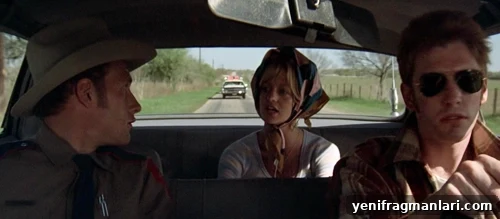
The story begins when Lou Jean Poplin (Goldie Hawn) visits her husband Clovis (William Atherton) in a Texas prison and reveals that their baby son, Langston, has been placed in foster care in Sugarland. Determined to reclaim their child and start a new life in Los Angeles, the couple hatches a desperate plan to break Clovis out and drive to Sugarland. The scheme goes awry when a state trooper, Slide (Michael Sacks), is unintentionally taken hostage in his patrol car. In hot pursuit is Captain Harlin Tanner (Ben Johnson), a principled sheriff intent on resolving the situation without bloodshed. As the chase unfolds, what begins as a criminal escape becomes a spectacle: police, media and well-meaning strangers converge on the Poplins’ journey, transforming a personal quest into a public drama.
Spielberg and writers Hal Barwood and Matthew Robbins adapt a true 1969 Texas incident into a brisk, heartfelt road chase. The script grants the Poplins enough humanity, humour and naïveté that their actions—illegal and reckless—remain emotionally intelligible. Goldie Hawn delivers a vibrant, empathetic turn as the fiercely determined Lou Jean, while William Atherton gives Clovis a restrained, vulnerable presence. Ben Johnson, as the stoic Captain Tanner, grounds the film with a sense of moral clarity and compassion. These performances, anchored in realism, make the couple’s flight feel less like sensational crime and more like a flawed, deeply human attempt to reunite a family.
Cinematographer Vilmos Zsigmond, collaborating with Spielberg, achieves inventive visuals using the early Panaflex 35mm camera. The film features intimate in-car 360° shots, split diopter compositions that emphasize characters through windshields and mirrors, and a striking dolly zoom—an effect that would later be associated with Spielberg’s stylistic signature. John Williams contributes his first score for Spielberg here, writing an Americana-inflected theme that grows in intensity as events escalate. The harmonica work by Toots Thielemans adds a plaintive, lyrical layer to the soundtrack, reinforcing the film’s road-movie tone and emotional core.
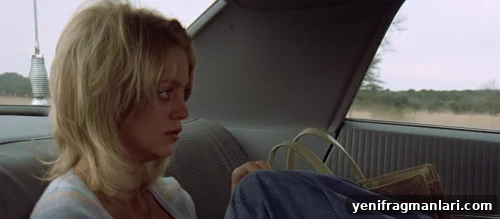
At its heart, The Sugarland Express foregrounds the theme of fractured families, a motif Spielberg would revisit throughout his career. Clovis and Lou Jean are not romanticized revolutionaries; they are desperate parents who believe the system has taken their child unjustly. Their journey attracts small acts of kindness—drivers offering money, strangers providing diapers—which suggests a wider public empathy and complicates the film’s moral landscape. This blend of lawlessness and tenderness gives the movie its emotional ambiguity and dramatic resonance.
Tonally, the film sits somewhere between the outlaw romance of Bonnie and Clyde and the contemplative, pastoral quality of Terrence Malick’s Badlands. Yet The Sugarland Express distinguishes itself through its quotidian absurdities: the practical inconveniences and human moments that puncture the glamour of outlaw mythology. Lou Jean’s need to stop for simple comforts, Slide’s bewildered attempts to navigate directions, and the Poplins’ frequent bickering render the chase both comical and poignant. The film builds toward an ending that balances tragedy with pathos—less violently cathartic than Bonnie and Clyde, but no less affecting, thanks to Spielberg’s assured direction and the cast’s committed performances.
Although sometimes rough-edged compared with Spielberg’s later studio epics, The Sugarland Express is a richly human and spirited work. It offers early evidence of techniques—camera moves, character-focused composition, and emotionally driven scoring—that would become hallmarks of Spielberg’s style. Fifty years on, the film feels fresh: lively, slightly unruly, and heartfelt. It remains a singular, underrated entry in Spielberg’s oeuvre, notable for its emotional honesty and its place at the crossroads of American cinema in the 1970s.
Score: 20/24
Rating: 4 out of 5.
Written by Daniel Allen
Support the author:
X (Twitter): @dan_allen00
Portfolio: Daniel Allen