
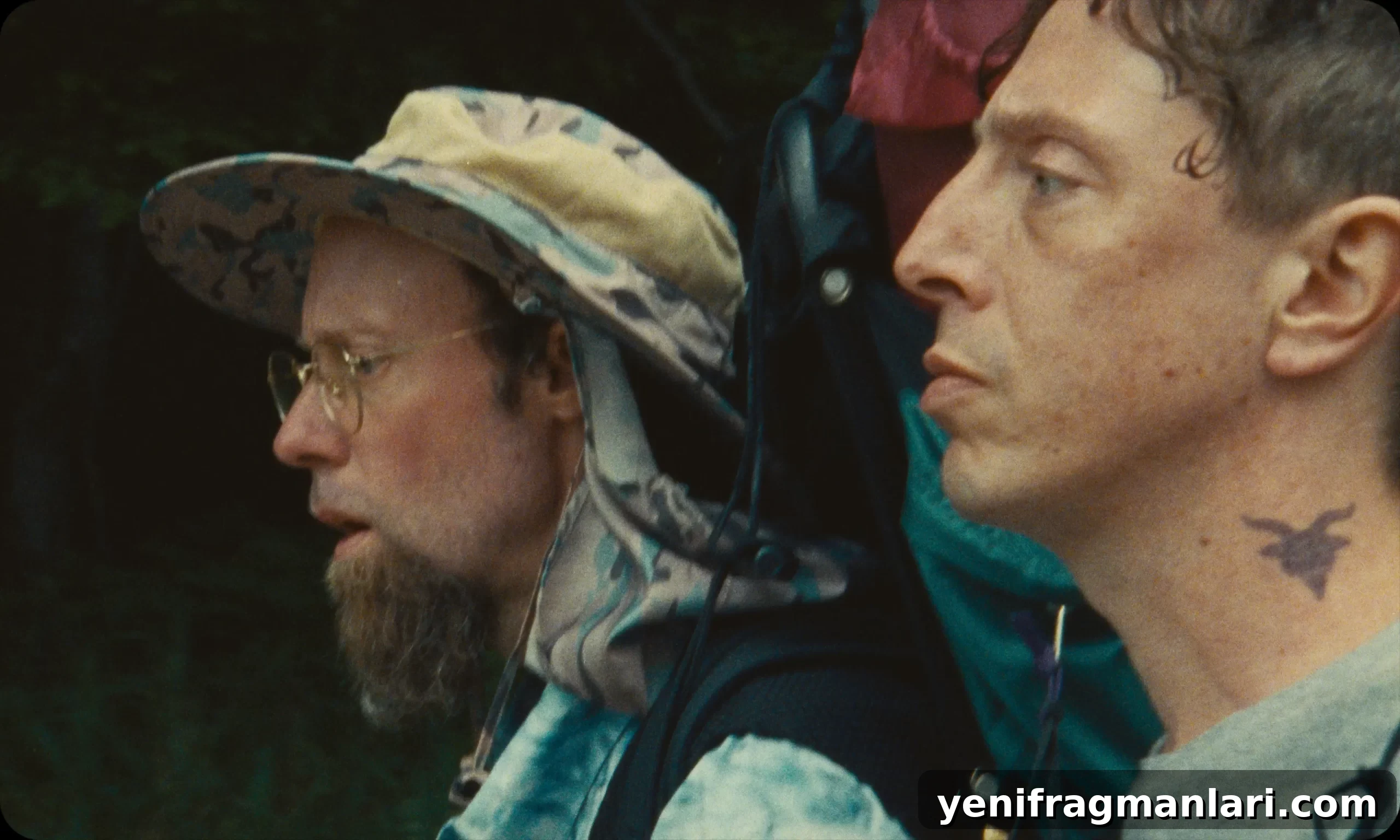
Vulcanizadora and Joel Potrykus’ Uneasy Catharsis
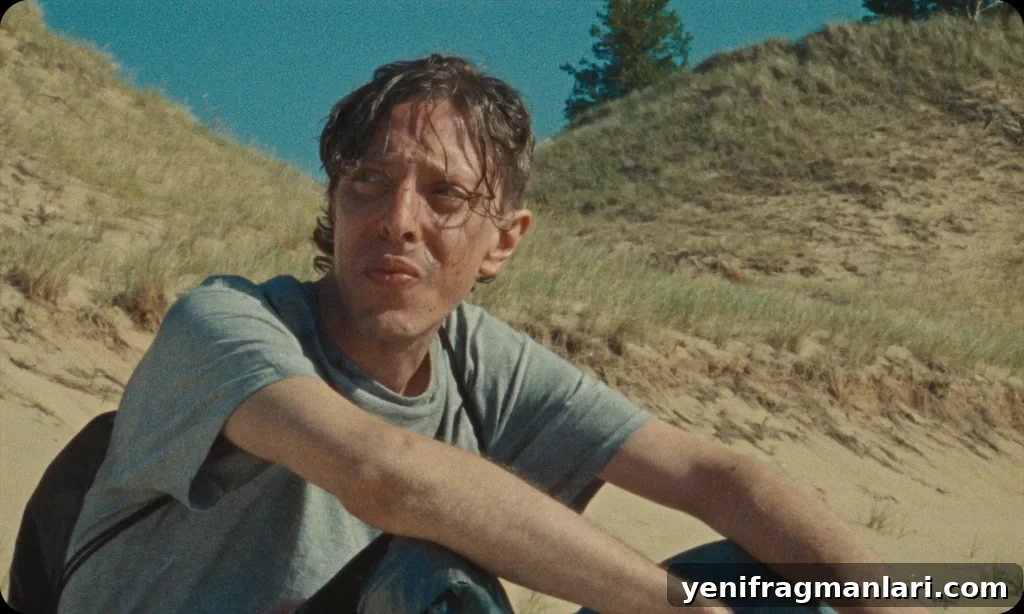
When I met with Joel Potrykus before a screening of Vulcanizadora at CUFF 2025, the conversation settled into the same deliberate, contemplative pace that defines his new film. Ten months into an extended festival run, Potrykus sounded almost indifferent about the push for theatrical visibility. His priority, he emphasized, has always been the work itself—making the film rather than marketing it. For him, the creative act is the reward. He calls Vulcanizadora his most personal and bleak work yet, and speaking with him felt less like a press interview than a window into the inner life of a filmmaker who makes movies to survive and to purge the darkness he carries.
What is Vulcanizadora About?
Vulcanizadora is a hard, darkly comic descent into male loneliness, guilt, and a friendship pushed to breaking. The narrative follows two longtime friends—Marty and Derek, played by Joshua Burge and Potrykus himself—as they trudge into the Michigan woods with a grim, ambiguous mission. What begins with slacker-comedy energy devolves into something heavier and more distressing as their plans unravel and the emotional stakes become undeniable.
The film completed a long festival circuit, including stops at Tribeca, Fantasia, Sidewalk, and Oak Cliff, where it picked up the Best Narrative Feature prize. A limited theatrical roll-out via IFC Center and Oscilloscope Laboratories is scheduled, though Potrykus remains refreshingly detached from industry mechanics. “I’d rather just bury it in the ground and let some kids discover it in 10 years,” he joked, underlining his desire for work that endures on its own terms.
Vulcanizadora and Buzzard – Is it a Sequel?
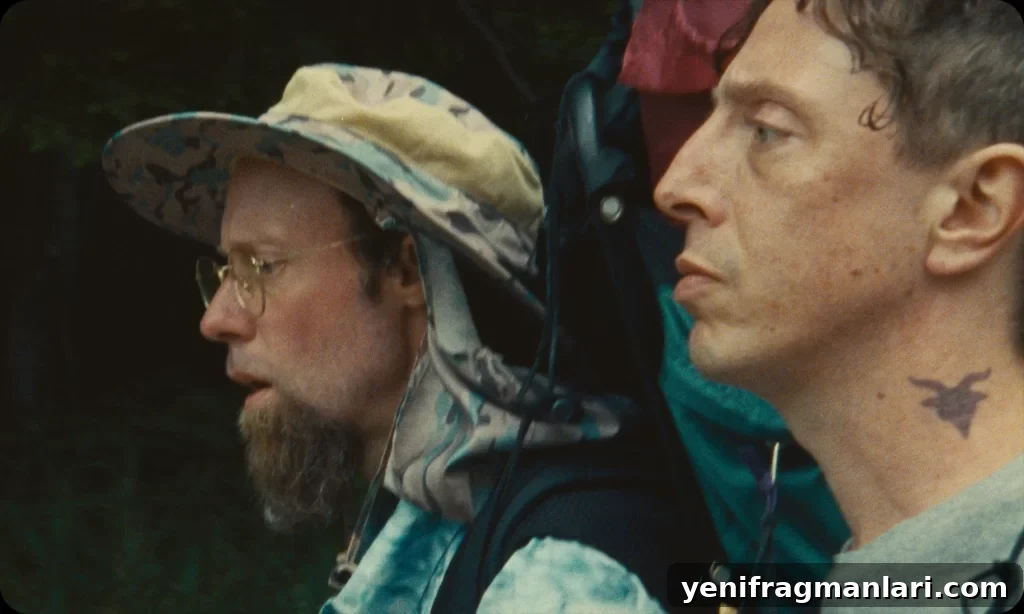
While Potrykus resists calling it a sequel, Vulcanizadora reunites the characters Marty and Derek from Buzzard. During writing he realized it made narrative sense to revisit the two men a decade on, but he insists this isn’t a traditional sequel. It’s simply another story about the same characters—as if they were on a different, darker James Bond-like mission. The point isn’t reinvention but attrition: life hasn’t improved for Marty and Derek. Time has worn them down slowly, leaving hollowness where aspiration or recovery might once have been.
The Juxtaposition of Calm and Chaos
From the opening credits, Vulcanizadora signals its intention to move between extremes: grand opera colliding with screaming heavy metal and the distant siren of ambulances. Potrykus traces this musical approach back to formative influences, noting how disparate genres can convey the same theatrical intensity. The film leverages these contrasts to powerful effect, pairing frenetic, anxious dialogue with the profound stillness of the natural world.
Potrykus frequently holds static shots that force the audience to linger with the characters’ discomfort. The script’s humor is dry and sharp, even when dealing with mortality and mental anguish. A line about a personal version of hell—“everyone is sad and nervous forever”—captures the subdued terror of living with ongoing anxiety and depression. Throughout, the film balances dark comedy with bleak observation, allowing the unsaid to speak as loudly as dialogue.
The Cinematography of Vulcanizadora
Shot on 16mm film by Adam Minnick, a high-school friend and longtime collaborator, Vulcanizadora embraces the grain, unpredictability, and tactile flaws of analog stock. Potrykus and Minnick described their visual plan in musical terms: they wanted the film to feel like a Pixies record, alternating between loud, messy close-ups and sweeping, quiet wide shots. This approach intensifies the film’s emotional shifts—forest exteriors feel expansive and indifferent, while the beach sequences compress into claustrophobic close-ups during intense monologues.
The creative tension between Potrykus’s appetite for close intimacy and Minnick’s love of landscape produces a dynamic that mirrors the story’s inner conflict. Their long friendship and mutual trust make such risk-taking possible; Potrykus speaks about the importance of working with his “band” on set, where familiar rhythms and shorthand allow honest, dangerous choices.
Indie Filmmaking and “The Band”
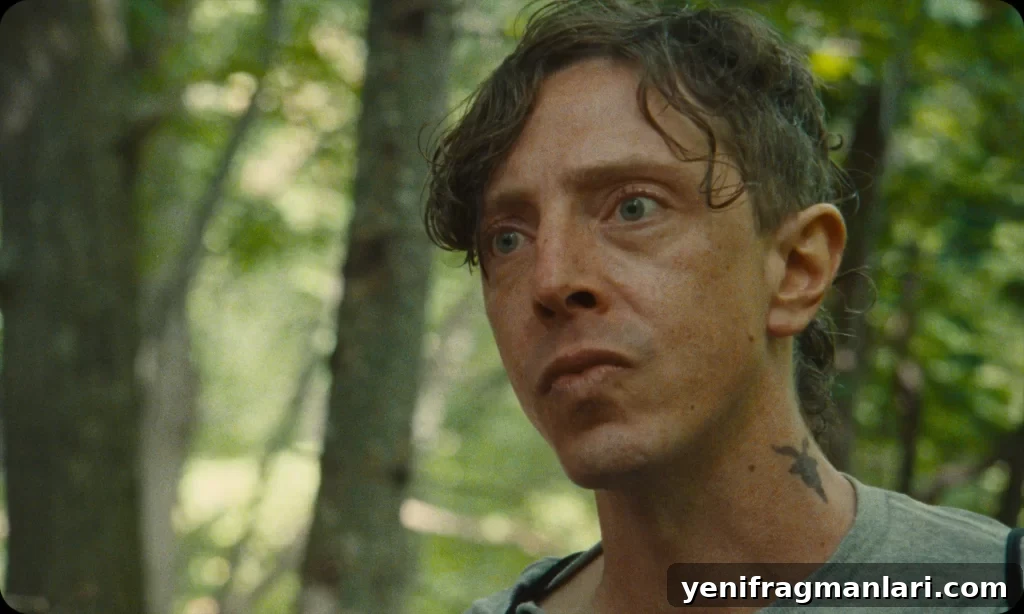
Potrykus is protective of his independence. He keeps the core collaborators—Joshua Burge, Adam Minnick, and others—close because he refuses to scale up into systems that might dilute their shared vision. Offers from larger studios or prestige indie banners don’t appeal; he has no taste for blockbuster spectacle or glossy compromise. That commitment to small-scale, uncompromised filmmaking feels increasingly radical in an industry that often demands marketability over artistic integrity.
On Becoming a Father
Fatherhood has reshaped Potrykus’s perspective and the emotional texture of his work. His son, Solo Potrykus, appears in the film, making a debut that meant more than a casting choice. Directing his child forced Potrykus to be present in a different way—standing beside the camera to watch a singular moment unfold with his own eyes rather than mediate it through a monitor. The experience registered deeply and filtered into the story in subtle ways.
Solo has since shown interest in documentary-style filmmaking, experimenting with toy cameras and editing, a small echo of his father’s creative life. Parenthood, for Potrykus, introduced a weight of responsibility that altered how he writes and what he allows into his films.
Vulcanizadora on Guilt and Loneliness
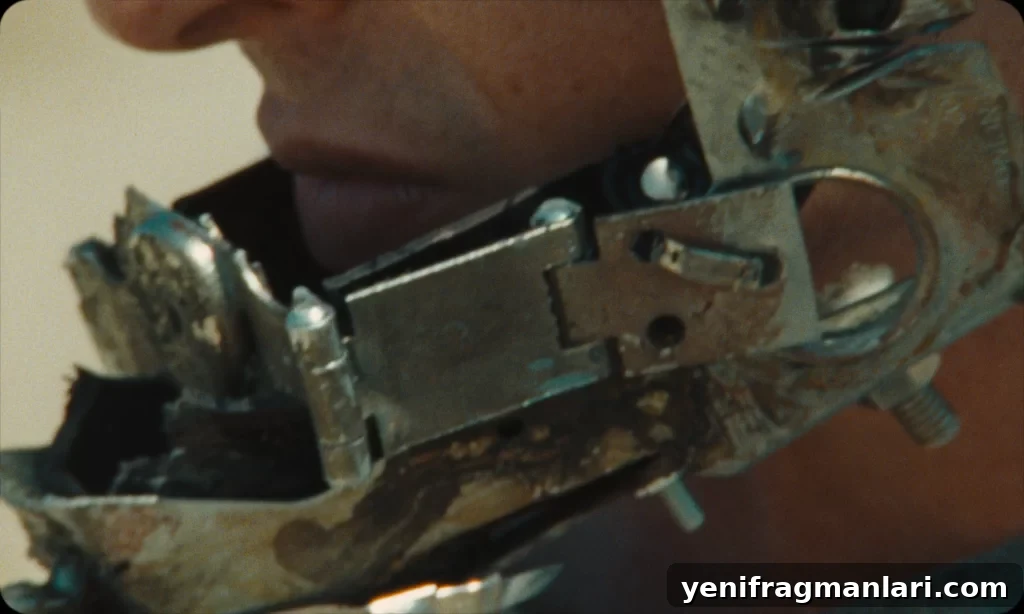
Potrykus admits he rarely starts a film with predetermined themes. The process is excavatory: he writes and shoots to expel the “yucky” feelings—guilt, dread, anxiety—then discovers a film’s meaning in retrospect. Vulcanizadora reads as an exploration of what happens when people lack the tools to process those emotions. Potrykus can channel his demons into cinema; his characters cannot. Marty and Derek drift, disconnected and unhealed, their avoidance producing devastating consequences. The film becomes a bleak comedic parable about the ways men evade therapy and emotional labor until avoidance hardens into calamity.
A Robert Pattinson Easter Egg
If you watch the end credits, you’ll spot a special thanks to Robert Pattinson. A fan of Buzzard, Pattinson reached out through mutual contacts, including Josh Safdie, to offer encouragement and script notes in early development. Potrykus initially worried the exchange might feel like a sellout moment, but Pattinson simply served as a friendly, respectful sounding board—an example of how genuine, uncompromised art attracts support from unexpected places.
Final Thoughts on Vulcanizadora
Vulcanizadora stands as Joel Potrykus’s most inward and serious film to date. It resists easy consolation and instead asks viewers to sit with silence once hope has been exhausted. For those drawn to raw, personally wrought cinema, the film offers an unflinching portrait of male loneliness and the corrosive effects of unprocessed guilt.
Vulcanizadora Trailer
The trailer and promotional materials accompanied the festival run. The film’s visual and sonic choices—analog 16mm photography, a volatile soundtrack combining opera and metal, and deliberately slow pacing—prepare the audience for an experience that is more contemplative than cathartic.
Related Topics
- CUFF
- Interviews
- Film Reviews