
Triangle of Sadness (2022)
Director: Ruben Östlund
Screenwriter: Ruben Östlund
Starring: Harris Dickinson, Charlbi Dean, Woody Harrelson, Dolly de Leon, Zlatko Buric, Iris Berben, Vicki Berlin, Henrik Dorsin
Ruben Östlund’s Triangle of Sadness arrived during a season when satire aimed squarely at wealth, privilege and the absurdities of modern capitalism was especially visible. The film joins a wave of darkly comic takes on inequality and celebrity culture, offering a mixture of sharp scenes, bizarre set pieces and a willingness to push its premise into uncomfortable territory. While it does not always maintain tonal precision or narrative economy, the film succeeds often enough thanks to striking performances, memorable moments of surreal physical comedy and polished visual design.
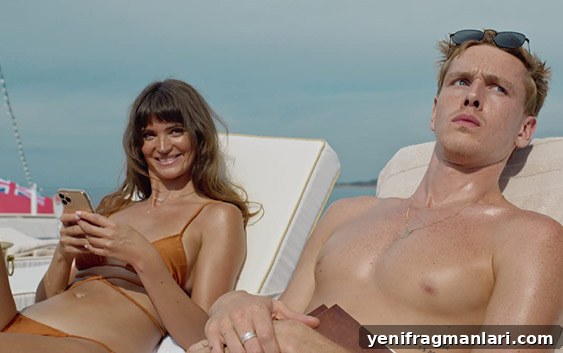
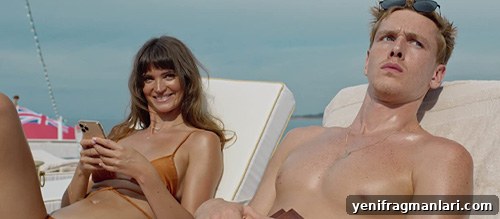
At the center of the story are Yaya (Charlbi Dean) and Carl (Harris Dickinson), a young model couple whose relationship is at least partly manufactured for online attention and career advancement. Dean and Dickinson build a chemistry that balances entitlement with vulnerability, presenting two figures who are simultaneously shallow and sympathetic. Their early exchanges are a highlight: precise, witty and frequently revealing about how social status and ambition shape personal connections. The first act uses the fashion world as a microcosm of performative success, and the script finds a number of sly laughs in the couple’s negotiations of authenticity, image and power.
Charlbi Dean’s performance is especially luminous. She brings a bright, unpredictable energy to Yaya that transforms many scenes into lively, emotionally textured moments. Dean’s comedic instincts and timing help sell the film’s satirical thrust, giving Yaya the kind of brash charm that anchors much of the movie’s early momentum. Harris Dickinson matches that energy with a quieter, malleable presence; his Carl convincingly shifts between affability and self-preserving cunning as the story progresses. Both actors demonstrate why they are being watched as rising talents in contemporary cinema.
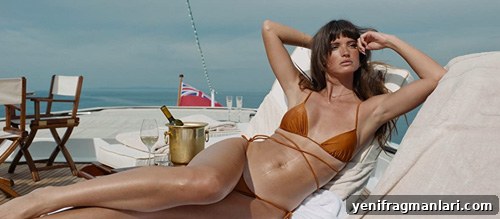
The film’s second act relocates the action to a luxury yacht—an ideal setting for a satire about wealth and leisure. Östlund assembles an ensemble of eccentric, exaggerated passengers whose interactions amplify class tensions and cultural clashes. This portion of the film showcases a series of performances that range from broad comedy to discomforting confrontation. Visually, the yacht sequences are precise and frequently beautiful: the cinematography frames opulence with an eye for texture and composition, using the sea and shifting light to heighten both the comedy and the sense of unease.
Woody Harrelson plays the yacht’s charismatic captain, a character who spouts Marxist critique while presiding over the rituals of the ultra-wealthy. Harrelson’s presence lends a theatrical weight to the satire, though it also creates a self-aware contradiction: a major star delivering an anti-elitist manifesto can feel both amusing and awkward. This paradox is not unique to Östlund’s film—many large satires must reconcile the commercial realities of filmmaking with a desire to critique the very systems that enable their production. Triangle of Sadness sometimes stumbles under that contradiction, but it rarely loses its appetite for provocation.
The film’s comedic register leans heavily toward the absurd. Östlund stages set pieces that are deliberately exaggerated to expose social pretenses and human fragilities. Some sequences are brilliantly effective, eliciting genuine laughs and embarrassed recognition. Others feel protracted or repetitive, revealing uneven pacing across the film’s three acts. The third act, in particular, moves into a more didactic mode: the power dynamics are inverted and characters confront the consequences of their previous choices. While this reversal provides dramatic payoff, it also exposes gaps in narrative logic and character development that keep the film from achieving full thematic clarity.
Beyond performance and tone, Triangle of Sadness excels in technical craft. The production design and costume work reinforce the satire, turning every frame into a study of excess. The camerawork often favors long takes and composed tableaux that allow performances to unfold naturally, while editing choices aim to balance comedic timing with the film’s more unsettling beats. These aesthetic choices contribute to a distinctive cinematic identity, one that makes the film visually memorable even when its arguments feel blunt.
The film is not a neutral indictment of privilege so much as a series of provocative sketches that interrogate behavior, entitlement and survival. It intentionally sacrifices subtlety for shock and comic outrage at times, and whether that approach resonates will depend on the viewer’s appetite for theatrical satire. For audiences craving a relentless, occasionally uncomfortable lampooning of the wealthy, Triangle of Sadness delivers. For those seeking a more nuanced or sustained critique of economic structures, the film’s impulses can seem scattered.
Ultimately, Triangle of Sadness is worth watching for its performances, visual inventiveness and willingness to take risks. It may not cohere into a neat, single-minded manifesto, but its bold episodes and comic cruelty make it a notable entry in contemporary satire. The film showcases actors who can handle absurdity and menace in equal measure and a director willing to place his characters in extreme situations to reveal human truth. If you prefer satire that favors spectacle and provocation over subtle argument, this film will likely satisfy; if you prefer tighter thematic focus, it may frustrate.
Score: 18/24