
True Romance (1993)
Director: Tony Scott
Screenwriter: Quentin Tarantino
Starring: Christian Slater, Patricia Arquette, Dennis Hopper, Val Kilmer, Gary Oldman, Brad Pitt, Christopher Walken
Directed by Tony Scott, best known for his dynamic visual style, and written by Quentin Tarantino, whose sharp, dialogue-driven scripts have reshaped modern cinema, True Romance remains a kinetic, memorable crime-romance hybrid. It follows two lovers who suddenly find themselves on the run, evoking the outlaw romance of classics like Bonnie and Clyde and Badlands, while boasting a cast and soundtrack that ensure the film’s long-standing appeal. Despite the impressive ensemble male cast, it is Patricia Arquette’s performance that anchors the film and gives it soul.
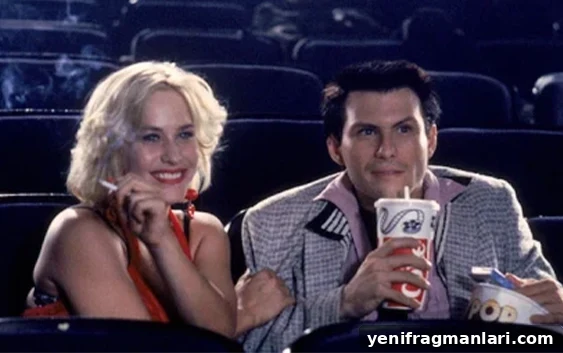
The film’s opening half hour plays like a short film in itself. Christian Slater portrays Clarence, a movie-obsessed young man who meets Alabama, a spirited call girl played by Patricia Arquette. The pair fall in love almost instantly. After Clarence kills Alabama’s pimp in a desperate confrontation and they inadvertently seize a suitcase full of cocaine, Clarence and Alabama flee together in a purple Cadillac, pursued by mobsters and their own increasingly dangerous choices.
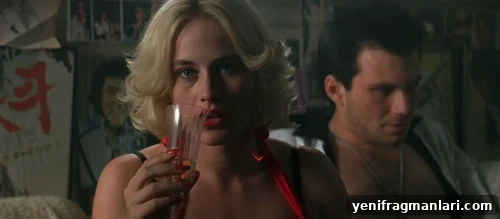
One of the film’s greatest strengths is its remarkable ensemble. Gary Oldman embodies Drexl Spivey, an outrageous and menacing pimp whose appearance and manner make him unforgettable. Brad Pitt offers comic relief as Clarence’s easygoing friend, delivering a scene-stealing moment of absurdity when he casually offers marijuana to armed mobsters. Christopher Walken delivers a chilling, masterful performance as a Sicilian mobster in a tense interrogation sequence opposite Dennis Hopper, who plays Clarence’s father. Val Kilmer appears briefly as the ghost of Elvis Presley, offering quirky, mythic counsel to Clarence at key moments.
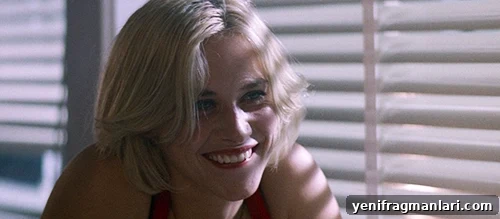
Critics have sometimes labeled the film a “male movie fantasy” — a conceit where a confident young man is adored by an attractive woman who validates him, even when his actions are violent. Alabama has been described in some commentary as a “whore with a heart of gold.” Yet beneath Alabama’s playful, occasionally ditzy exterior lies a character of real strength and agency. She is no passive victim; she grows into the film’s emotional and moral center and, in many ways, becomes its hero.
Alabama literally drives the story: the film opens and closes with her voiceover, and she is central to the narrative’s emotional arc. The soundtrack, anchored by Hans Zimmer’s evocative theme that repeats the phrase “You’re so cool,” complements the couple-on-the-run mood and lends the film a dreamlike, haunting quality. Zimmer’s score, with its delicate xylophone motifs, helps elevate scenes from pulpy to poignant, and often calls to mind the lyrical tone of earlier outlaw romance films.
The movie does not shy away from brutal violence. One of the film’s most harrowing sequences depicts Alabama being viciously assaulted by a mob enforcer, played with chilling menace by James Gandolfini. While extreme violence is a recurring element in Tarantino’s work, this particular scene is especially raw and difficult to watch. Crucially, however, the moment of catharsis that follows transforms Alabama from a victim into an avenger. Her evolution from a character who initially seems naive — often laughing and flirting her way through danger — to someone who screams with righteous fury marks an important turning point. The film allows her to reclaim power and agency in a way that feels earned and emotionally satisfying.
More than thirty years after its release, True Romance endures because of its taut, propulsive story and its ensemble performances. Still, Patricia Arquette’s Alabama Worley remains the film’s beating heart: a memorable, complicated heroine who elevates the material. In tone and character focus, Tony Scott’s film aligns with a tradition of genre movies that center strong women, a quality that recalls the work of his brother Ridley Scott and films such as Alien and Thelma & Louise. While the overall number of female roles in the film is small, the presence of one vividly drawn female protagonist makes the movie feel richer and more layered than the label “male fantasy” alone would allow.
Score: 21/24
⭐⭐⭐⭐
Rating: 4 out of 5.
Recommended reading: Where to Start with Quentin Tarantino
Written by Gala Woolley
You can support Gala Woolley in the following places:
Twitter – @GalaWoolley
Blog – screenqueens.co.uk