
Us (2019)
Director: Jordan Peele
Screenwriter: Jordan Peele
Starring: Lupita Nyong’o, Winston Duke, Shahadi Wright Joseph, Evan Alex, Elizabeth Moss, Tim Heidecker
Jordan Peele’s Us (2019) is a bold, unsettling entry in contemporary horror that builds on the director’s flair for blending scares with social commentary. While it inevitably invites comparison to Peele’s earlier film Get Out, Us stands on its own by embracing ambiguity, layered symbolism, and a tense, character-driven narrative that lingers long after the credits. This review examines its themes, performances, and techniques, focusing on how the film explores identity, class, and the bonds of family through the device of doppelgängers.
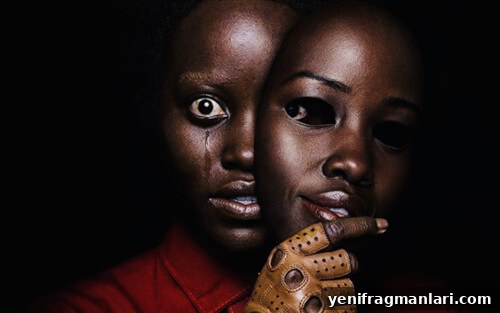
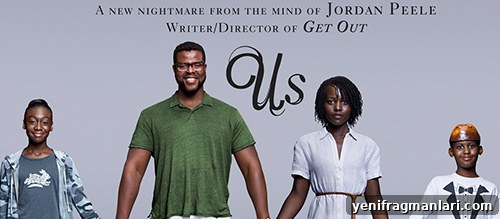
At its core, Us is a meditation on duality and social stratification. The Wilson family—played with urgency and emotional depth by Lupita Nyong’o, Winston Duke, Shahadi Wright Joseph, and Evan Alex—represents a relatively comfortable middle-class household enjoying a summer getaway. Their lives are violently mirrored by a set of underground-dwelling doubles whose existence and motives invite interpretation. Peele uses this premise to probe difficult questions: Who pays the cost for privilege? What happens to those left out of prosperity? The film’s most accessible reading critiques the wealth gap, contrasting surface comfort with subterranean deprivation, but it resists simple conclusions.
Symbolism saturates the film without ever feeling entirely didactic. Recurring visual motifs—mirrors, tunnels, and rabbits—accumulate meaning and suggest multiple readings at once. Rabbits, often associated with luxury or status in other works, are inverted here, tied to scarcity and survival; an early image of a toy rabbit becomes a chilling emblem of class tension and revolution. Scissors operate as another visceral symbol, introduced early and used sparingly to heighten dread. Rather than relying on gratuitous gore, the film leverages the anticipation and implied violence of such tools, creating scenes that are as psychologically effective as they are physically disturbing.
Us also draws on classic horror storytelling techniques familiar from writers like Stephen King: a traumatic childhood incident echoes into the present, a seaside setting becomes a site of uncanny disruption, and the slow escalation of fear lets atmosphere do heavy lifting. Peele’s pacing alternates quieter domestic moments with set pieces of escalating terror, allowing relationships to register before they are tested. This focus on family—particularly on parenthood and the protective instinct—gives the horror emotional weight. When the threat is not ambiguous monsters but doppelgängers of one’s own children or spouse, the stakes are intimate and wrenching.
Lupita Nyong’o is the film’s standout, delivering a nuanced and haunting performance across dual roles. She anchors the film with a performance that is both fierce and fragile, shifting between the weary matriarch and her unsettling counterpart with convincing control. Winston Duke provides a solid counterpart, balancing physical presence with touches of humor that humanize his character before horror consumes him. The younger actors, especially Shahadi Wright Joseph and Evan Alex, lend authenticity to the family dynamic; their terror and resilience help sell the film’s emotional core. Supporting performances from Elizabeth Moss and Tim Heidecker add texture without distracting from the Wilson family’s central arc.
Technically, Us benefits from strong production design and cinematography that emphasize contrast—between light and shadow, surface and depth, home and underworld. The sound design and score underscore the film’s disquiet, using silence and sudden noises to startle rather than rely solely on jump scares. Peele’s direction is confident, and his script leaves deliberate gaps that invite debate. Some viewers may find the film’s symbolism too opaque or its questions unresolved; others will appreciate the space given to personal interpretation and the moral complexity at play.
Ultimately, Us is memorable because it combines effective horror mechanics with thoughtful social observation and compelling performances. It is a film that rewards repeat viewings, as new details and connections emerge on subsequent watches. While it does not answer every question it poses, that reluctance to fully explain itself is part of its power: the ambiguity keeps the film with you, prompting reflection on who we are, who we mirror, and who we might become under extreme pressure.
22/24