
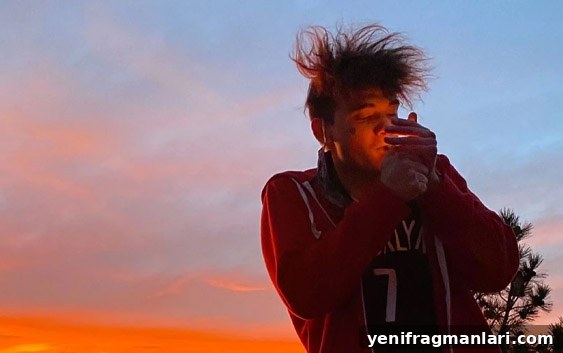
War Pony (2022)
Directors: Riley Keough, Gina Gammell
Screenwriters: Riley Keough, Gina Gammell, Franklin Sioux Bob, Bill Reddy
Starring: Jojo Bapteise Whiting, Ladainian Crazy Thunder
Set on and around the Pine Ridge Native American reservation in South Dakota, Riley Keough and Gina Gammell’s 2022 Cannes selection War Pony follows two young Oglala Lakota men struggling to navigate daily life amid scarcity, fractured family ties, and limited opportunities. The film explores survival, identity, and resilience through the alternating perspectives of its two leads, presenting a raw, character-driven portrait of life on the reservation while avoiding easy judgments or tidy resolutions.
Visually and tonally, War Pony often reads like a story from an earlier era: characters rely on older cars, dated televisions, and hand-me-down phones. Those choices are intentional. Keough and Gammell sprinkle details that at first suggest a story set in the past, only to remind viewers that the present day has arrived outside the reservation’s borders. These contrasts help the filmmakers communicate the interior lives of their characters and the social and economic isolation that shapes their choices.
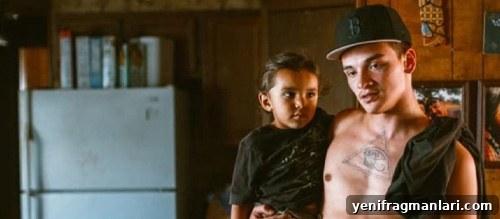
The film introduces Bill (Jojo Bapteise Whiting), the older of the two young men, as he drives through town—ignoring calls from the mother of his first child who needs help and flirting with anyone he encounters. Bill is a hustler: he devises quick-money schemes, charges hitchhikers, sells drugs, and even attempts to breed a poodle for profit. There is something almost comic in his entrepreneurial spirit, reminiscent of classic small-time schemers in popular culture, but Whiting infuses Bill with enough charm and vulnerability that the character remains sympathetic rather than cartoonish. Bill’s relentless pursuit of money is less about greed than a compulsion to survive and to provide in a world that offers few legitimate routes to stability.
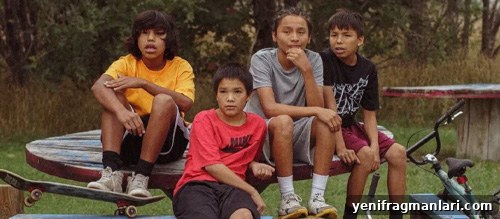
Matho (LaDainian Crazy Thunder), the younger protagonist, lives with an emotionally distant and abusive father who deals drugs. Matho idolizes his father despite the harm he suffers, mimicking fights and even taking part in drug dealing at school. That desire to belong and to prove himself leads to reckless behavior that ultimately costs him his home. Crazy Thunder gives Matho a sense of wide-eyed innocence and longing—his performance conveys a boy forced to grow up too quickly, lacking the life skills or support network to navigate adulthood safely.
Although Bill and Matho differ in age and temperament, the film deliberately highlights the parallels between them. Both drift through relationships, housing situations, and schemes that promise escape but deliver little. The structure alternates between their lives, underscoring how similar choices and shared circumstances shape two separate but related stories. At times, the film feels like it is showing two periods in one life—two responses to the same system of scarcity and limited options.
Riley Keough and Gina Gammell favor a deliberately slow and observational style. The pacing places viewers inside the characters’ aimlessness, asking the audience to sit with small, quiet moments rather than follow a conventional plot arc. This approach is daring and often effective: it creates intimacy, lets performances breathe, and resists sensationalizing hardship. However, the slow tempo also risks alienating some viewers. There are stretches where the narrative momentum slackens, and the minimal exposition leaves character motivations understated rather than fully explored.
The film’s third act divides opinion. While it includes one of the most emotionally resonant payoffs in recent independent cinema—an ending that rewards patient viewers with a powerful moment of reckoning—the build to that payoff sometimes feels uneven. The final portion of the film pulls the threads together, but some viewers may feel the payoff comes after a lull, lessening its cumulative impact. Even so, when the emotional resolution arrives, it lands with the quiet force that the directors have been cultivating throughout.
War Pony is a challenging, compassionate portrait of life on the Pine Ridge reservation. It asks audiences to slow down, to pay attention to small gestures and fractured family ties, and to recognize the dignity in characters who are often dismissed by mainstream narratives. The film’s strengths lie in its authentic performances, its attention to detail, and the respect it shows for its subjects’ complexity. At the same time, its pacing and sparse character development may frustrate viewers accustomed to more conventional storytelling.
Score: 15/24