
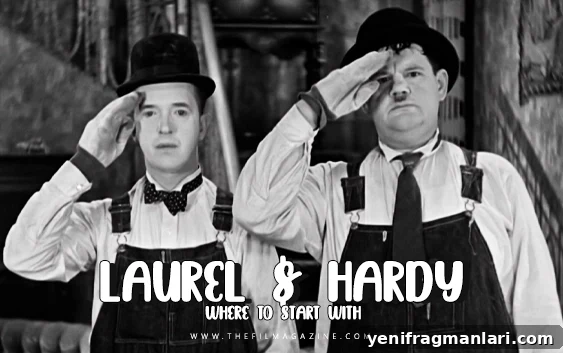
When people look back on the Golden Age of Hollywood, they often recall film noir, lavish musicals, and epic historical spectacles. Those genres defined studios’ public faces, but the era’s streets were equally paved with laughter. Comedians such as Charlie Chaplin, Buster Keaton and the Marx Brothers kept audiences entertained during difficult times and pushed cinematic comedy into inventive new directions.
Among the most enduring pairs from that era are Laurel & Hardy. Though Stan Laurel and Oliver Hardy may not always be as instantly recognized by modern mainstream audiences as Chaplin or Keaton, they remain beloved worldwide. Many recognize them from their iconic bowler hats or from cultural nods—like the framed photo of the duo in the TV show Friends.
As one of cinema’s first “little and large” double acts, Laurel & Hardy complemented each other perfectly. They could play broad, physical comedy or unexpectedly subtle, straight-faced moments. From silent shorts to full-length talkies, Stan Laurel and Oliver Norvell Hardy perfected a blend of slapstick, timing and expressive reactions that earned them the title “kings of comedy.” Their influence continues through more than a hundred surviving films and countless comedians inspired by their work.
For newcomers, choosing where to begin can be overwhelming. Below is a concise guide to three essential Laurel & Hardy films—representing their best short and feature work, plus a brisk, brilliant example of their short-form slapstick.
1. The Music Box (1932)
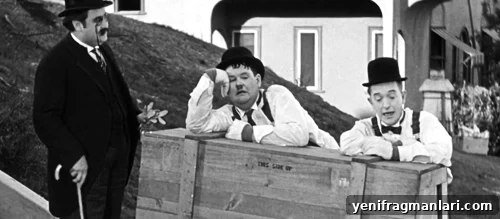
Winner of the Academy Award for Best Live Action Short Film, The Music Box remains the duo’s most iconic short. The “Music Box steps” have become a real-world landmark visited by fans, and the film itself epitomizes Laurel & Hardy’s genius: a deceptively simple setup that yields increasingly inventive comedy.
The premise is straightforward—Stan and Ollie are piano movers struggling to carry a piano up an impossibly long outdoor staircase. The comedy springs from character contrast: Stan’s gentle, bewildered innocence versus Ollie’s pompous self-importance. They trade physical mishaps, fourth-wall gestures, small dances and escalating pratfalls, balancing broad gags with small, expressive beats.
At roughly thirty minutes, the short never overstays its welcome. The pair continually find fresh ways to extend the central idea until the film reaches a satisfying comedic climax. The Music Box demonstrates how disciplined timing and imagination turn a modest concept into a timeless piece of cinematic craft—an ideal introduction to Laurel & Hardy.
2. Sons of the Desert (1933)
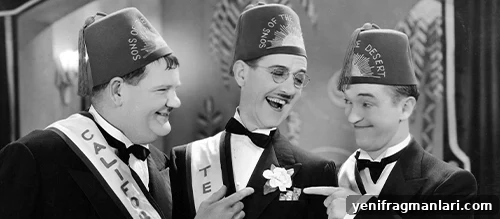
Sons of the Desert holds a special place among fans; the international Laurel & Hardy society takes its name from this film. The feature follows Stan and Ollie as they scheme to attend the Sons of the Desert convention in Chicago while hiding the trip from their wives. Predictably, their lies and misadventures spiral into a series of escalating comic catastrophes.
The film’s structure resembles several linked short sequences with a throughline that keeps momentum and variety. New settings, supporting characters and inventive gags refresh the comedy throughout its runtime. While Laurel & Hardy later made larger productions with bigger sets and more elaborate stunts, Sons of the Desert proves that tight storytelling and character interplay can make a feature-length comedy sing.
With a broader cast to play off and room to develop recurring jokes, Sons of the Desert is an excellent first feature for viewers exploring Laurel & Hardy. It showcases their ability to sustain character-based humor over a longer format without losing the charm and economy of their short work.
3. Tit for Tat (1935)
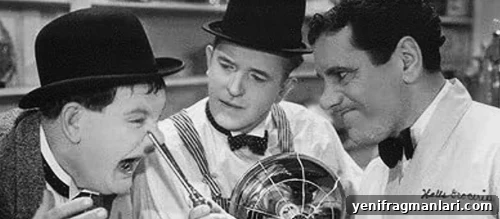
Selecting a third recommendation from a deep catalog is subjective, but Tit for Tat stands out for its pace and inventiveness. It is the duo’s only direct sequel, following the events of an earlier short, but it also works perfectly on its own thanks to an early recap that sets the scene.
In this short, Stan and Ollie run a hardware store while their antagonist, Mr. Hall, runs a grocery across the street. Old grievances lead to a tit-for-tat exchange of pranks and property damage, giving Laurel & Hardy abundant material for physical comedy. The store settings supply endless possibilities for well-timed gags, improvised hazards and sheer comic escalation.
At about nineteen minutes, Tit for Tat moves at relentless speed, stacking gags without wasted moments. It highlights their best gifts: efficient visual storytelling, perfectly judged reactions, and an unrelenting flow of slapstick energy. For new viewers, this short is an ideal gateway into classic black-and-white comedy.
Recommended reading: The enduring legacy of Stan and Ollie in film and comedy history
Laurel & Hardy perfected a recognizable comedic style, yet they continually refreshed their act with new gags and situational twists. Their fame may sometimes sit a notch below names like Chaplin or Keaton in popular culture, but their influence and the warmth of their performances endure. As long as audiences continue to seek out their films, Stan and Ollie will keep inspiring laughter and admiration across generations.