
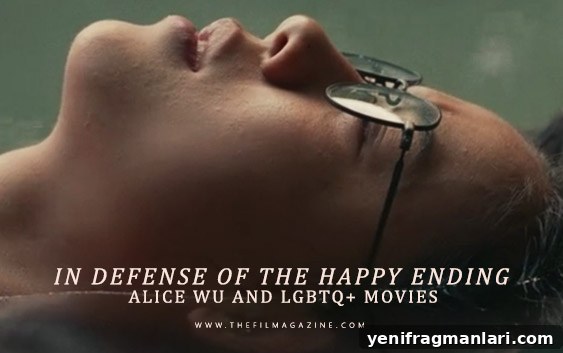
Romantic comedies are an implicit promise between filmmakers and audiences: certain beats will be honored—a meet-cute, a swoon-worthy first kiss, an argument, a soul-searching montage set to an indie pop song, and an eventual reconciliation that settles into a happily ever after. Because the genre follows familiar patterns, critics sometimes call it predictable. Yet for many viewers there’s comfort in those certainties, and when filmmakers add fresh perspectives the results can feel both familiar and invigorating.
Rom-coms also play a major role in shaping how young people learn what healthy relationships look like. Iconic moments, like Noah hanging from the Ferris wheel in The Notebook, can be read differently with hindsight—sometimes as romantic, sometimes as a warning sign. The genre encourages people to risk vulnerability and pursue love, which can be empowering when positive outcomes are visible on screen. But for decades mainstream films largely presented love stories for a narrow segment of the population: white, cisgender, able-bodied, heterosexual characters. When films centered people who fell outside that box—queer people, people of color, transgender people, disabled people—the narratives often skewed tragic or lonely rather than hopeful.
This pattern has been particularly damaging in many LGBT stories, where queer characters frequently meet grim fates, sometimes dying soon after coming out or after a romantic milestone. Repeated exposure to these tragic arcs can leave young queer viewers feeling isolated and discouraged. When representation is scarce, the few portrayals that do exist carry outsized influence. If those portrayals suggest that queer lives end in loneliness or loss, they can undermine a viewer’s sense of future possibility, self-worth, and ability to imagine happiness.

That’s why Alice Wu’s decision to give her lesbian Chinese-American characters joyful outcomes feels so important. Her films Saving Face (2004) and The Half of It (2020) offer lesbian protagonists full, complex lives that culminate in meaningful, hopeful resolutions. When Wu made Saving Face, studio executives told her the story was “too happy” and urged her to recast the lead as white—suggesting a star like Reese Witherspoon. She refused, keeping the characters and cultural specificity intact. The result is a rom-com that has endured, and for many queer women it was the first positive portrayal of a happy lesbian relationship they had seen on film.
Saving Face is often described by Wu as a love letter to her mother. The film follows Wil, a young surgeon navigating her professional ambitions, family expectations, and an unexpected rekindled romance with Viv, a former crush who now works as a ballerina. Complications arise when Wil’s mother, Gao, is ostracized by her family for becoming pregnant out of wedlock. The film balances humor and cultural specificity with emotional honesty, and it highlights a powerful arc: a parent’s capacity to grow, accept, and celebrate their child’s identity. By the film’s end, Gao not only accepts Wil’s sexuality, she helps reunite Wil and Viv and even asks, “When am I getting grandchildren?”—a small, domestic question that acts as a tender marker of acceptance and change.
Sixteen years later, Wu returned with The Half of It, a modern, quieter take on romantic comedy set in the fictional town of Squahamish. The protagonist, Ellie Chu, is a studious, introverted high-schooler who writes papers for classmates to help support her widowed father. Ellie is smart, thoughtful, and awkward in the way many teens are, and she forms an unlikely partnership with Paul, an earnest football player who asks her to write love letters to the girl he likes, Aster. Over the course of the film, Ellie develops feelings for Aster while acting as Paul’s Cyrano-like ghostwriter. Rather than following an expected single-couple arc, The Half of It offers a different kind of happily ever after: individuals discover their own paths and grow into versions of themselves they hadn’t anticipated. Aster plans for art school, Ellie readies herself for college, and Paul discovers his own future. The story shows how intertwined efforts and small acts of care can change outcomes for everyone involved.
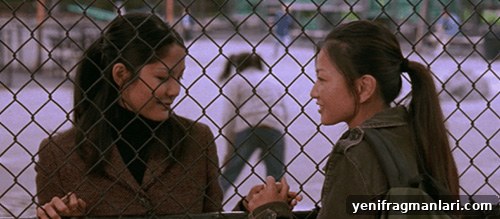
Across both films, Wu delights in repurposing rom-com tropes to broaden what romance can mean. Her characters stop weddings and propose grand gestures, chase planes and trains, and deliver heartfelt speeches—not only to lovers but to family and friends. These moments underline an important point in Wu’s work: love requires effort. As a line in The Half of It puts it, “Isn’t that what love is? How much effort you put into loving someone?” The sentiment applies across relationships—romantic, familial, and platonic.
One strength of Wu’s storytelling is that her characters are not defined solely by their sexual orientation. They are complete people with careers, cultural pressures, fears, and desires. In Saving Face, Wil’s hesitation to commit mirrors a dancer’s need to learn how to fall safely; the film frames emotional risk as something teachable and survivable. In The Half of It, the tangled dynamics among Ellie, Paul, and Aster produce unexpected opportunities for growth: the characters’ eventual happinesses are earned through the connections they form, even when those outcomes diverge from their original expectations.

For many viewers, a happy ending in a film is ordinary—simply the expected conclusion of a rom-com. For underrepresented audiences, however, a joyful resolution can be profoundly meaningful. It validates identity, offers reassurance that a hopeful future is possible, and declares, sometimes boldly, that joy belongs to everyone. Films like Saving Face and The Half of It remind us that representation matters not only in quantity but in tone: showing marginalized characters living, loving, and thriving expands the imagination of what a future can hold.
Written by Tina Kakadelis
You can support Tina Kakadelis at the following links:
Twitter – @captainameripug
Bio Site – tinakakadelis