
If a filmmaker can bring together two contrasting, even jarring, storytelling elements and make them cohere, the result stays with the audience. Working in a visual medium, directors often combine opposing tones to provoke a particular reaction and leave a lasting impression. Because people instinctively respond to both laughter and, to a lesser extent, reflection, one of the most common tools is black comedy: moments that are undeniably funny while also disturbingly dark. Below are three cinematic scenes that illustrate how effectively black comedy can function as a storytelling device.
Memories of Murder (Bong Joon-ho) — Cruelty and Absurdity
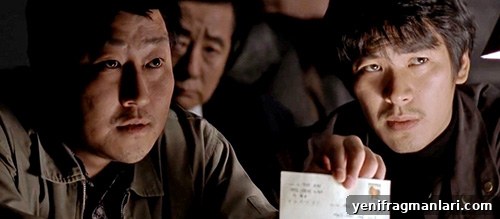
South Korean auteur Bong Joon-ho’s Memories of Murder is set against the repressive environment that followed the assassination of President Park in 1979. The film follows a squad of flawed, often bumbling detectives trying to solve a serial-killer case while operating within a military-led state where brutality and impunity are commonplace. The detectives themselves adopt the very tactics of oppression used by their superiors, producing moments that are both frightening and absurd.
One of the most memorable sequences revolves around Kwang-ho, a vulnerable local man with learning difficulties who becomes a convenient scapegoat. The police subject him to severe physical abuse, then alternate between false friendliness and intimidation. Detective Cho, a heavy-handed officer, is portrayed with comic quirks — such as wearing a floral pink shoe cover over his military boots — that undercut his menace and expose a grotesque dissonance. After an episode of brutal interrogation, the detectives sit Kwang-ho down with a bowl of noodles and force him to watch a silly television soap opera. The juxtaposition of intimate domesticity and institutional violence produces a shock that is at once disturbing and darkly funny.
Bong’s purpose is political and psychological: to satirize the impotence and absurdity of repressive authority and to help a national audience process a painful chapter in history. In this context, black comedy becomes a tool for confronting trauma — a way to make cruelty appear ridiculous and thereby diminish its power.
Four Lions (Chris Morris) — Satire as a Weapon
Chris Morris, best known for satirical television work, made his feature debut with Four Lions, a daring dark comedy about a group of amateur terrorists based in Sheffield. The film confronts the audience with its protagonists’ evil aims — their plans to kill innocents in the name of a warped ideology — while finding humor in the ridiculous incompetence and internal contradictions of the group.
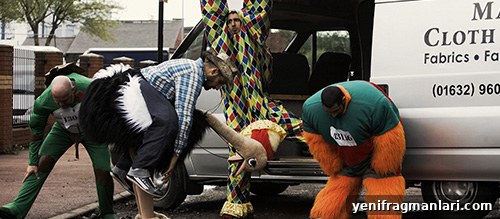
The film refuses to glamorize or humanize its characters in a way that excuses their actions; instead it exposes their fanaticism and absurdity. The lead, Omar (Riz Ahmed), is shown indoctrinating his young son with violent bedtime stories, a horrifying detail presented within a satirical framework. Throughout the film, accidents and bungled attempts lead to fatal outcomes that are tragic, yet the filmmakers find comedic beats in the incompetence and surreal moments that arise around the violence. A police stakeout, for example, descends into farce as officers bicker over pop-culture metaphors and misidentify an innocent costumed runner as a threat, with disastrous but darkly comic consequences.
Four Lions walks a delicate line: it seeks to undermine the power of real-world monsters by making them appear ridiculous, without trivializing the harm they cause. In doing so, it demonstrates how black comedy can operate as a satirical weapon, exposing extremism’s folly and diminishing its ability to intimidate.
Hunt for the Wilderpeople (Taika Waititi) — Gallows Humor and Warmth
Before directing large franchise fare, New Zealand filmmaker Taika Waititi earned acclaim for smaller, character-driven films such as Boy and Hunt for the Wilderpeople. The latter follows Ricky Baker (Julian Dennison), a troubled foster child who finds stability with Bella (Rima Te Wiata) and her cantankerous husband Hec (Sam Neill). When Bella dies suddenly just as the family is coming together, the film confronts genuine grief.
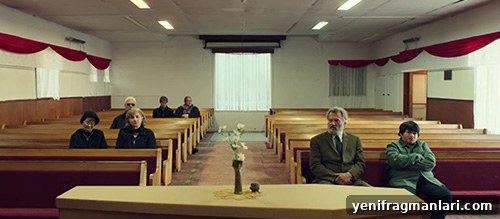
Where many films would present the funeral as a purely solemn, dramatic beat, Waititi introduces a strain of gallows humor that defuses tension and deepens emotional truth. He plays the funeral minister himself and lets the eulogy veer into strange, inappropriate tangents — references to doors and orange soda, odd analogies that feel out of tune with the setting. The effect is uncomfortable, then oddly liberating: the scene allows both characters and audience to release the strain of grief through laughter.
Waititi’s choice is not meant to mock loss but to recognize that life contains moments of levity even amid sorrow. That tonal shift allows the film to be both tender and funny, using black comedy as a form of emotional catharsis that affirms life’s resilience.
Black comedy, when handled with skill and sensitivity, can do a range of things: it can satirize authority, provide relief from trauma, undercut fear, or expose the absurdities of extremism. The three films discussed here — each in its own register and cultural context — show how humor and horror can combine to produce a sharper, more memorable narrative impact.
By Sam Sewell-Peterson
You can support Sam at the following links:
Website – SSP Thinks Film
Twitter – @SSPThinksFilm