
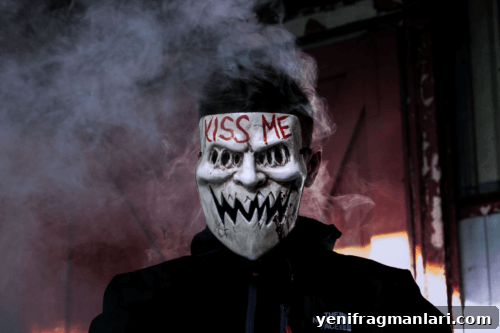
For almost a century we have hidden behind sofas, peeked over popcorn boxes and delighted in scaring ourselves silly with horror films. We leave cinemas feeling frightened, disgusted and sometimes unsettled—but we keep coming back. Why does this happen?
A horror film functions much like a rollercoaster. Long stretches of tension build slowly as we climb toward the peak, and then a sudden jump-scare sends us plunging into an adrenaline rush. We ride that emotional rollercoaster again and again because we crave the intensity of the experience, even though we often exit feeling shaken. Both rollercoasters and horror films force us to confront our vulnerability. Watching a simulated death on screen or strapping into a rickety cart hurtling at speed triggers the same awareness of our fragility, making us feel at once exposed and strangely powerful.
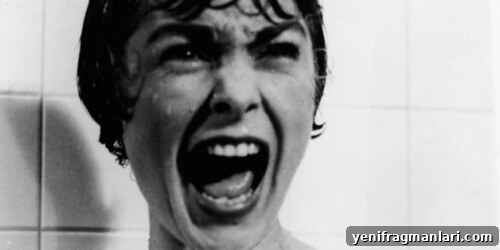
Psycho (1960) – Dir: Alfred Hitchcock – Paramount
It is rare to find a horror film that feels totally original; filmmakers often borrow ideas, transform them and respond to cultural fears of their time. If you compare films made decades apart, recurring themes and motifs appear. For instance, the paranoia of identity loss in mid-century works like The Invasion of the Body Snatchers echoes modern franchises that explore social breakdown and mass hysteria. The classic whodunit structure—where viewers try to guess the antagonist only to be misled—remains a staple from films such as Psycho, Scream, The Thing and Seven.
Contemporary horror, however, often privileges the psychological over the overtly graphic or the masked slasher. These films play on the mind: the fear of the unknown, the terror that what we think we know might change into something hostile. Modern horror probes the human condition, examining what we might become and what could destroy us. Movies like Split dramatize extreme expansions of identity and personality, unsettling because they stretch behaviour beyond what we consider natural.
Technology has also reshaped contemporary scares. The rise of “found footage” and screen-based horror reflects anxieties about surveillance, privacy and control. Films that center on people being watched through devices or having their online lives weaponized tap into a very current dread: that our screens can be gateways for real harm. As a result, the format itself becomes a source of tension, and the audience is made to question how safe our everyday technologies really are.
Compared with the 1960s and 1970s slasher tradition, where antagonists were often visible and identifiable—masked figures, soldiers, or uniformed enemies—modern villains are frequently faceless or ambiguous. This shift reflects changing historical fears. Past eras feared obvious, organized threats; contemporary society fears the unpredictable and the anonymous. When danger can come from any neighbor or even a stranger online, trust erodes, and the filmic antagonists that mirror those anxieties feel particularly chilling.
Many recent horror films exploit this erosion of trust. Antagonists often mirror real-world threats: an online predator, a shadowy figure following someone at night, or an isolated neighbor who turns out to be dangerous. Filmmakers may initially present a story as supernatural or ghostly, only to reveal a more human, disturbed culprit. Such twists underscore how ordinary people can be terrifying, and they force audiences to confront social isolation, surveillance and the consequences of mistrust.
These films do more than provide scares; they hold up a mirror to contemporary life. By externalizing our fears—about identity, technology, social breakdown and the loss of community—modern horror provokes reflection as much as fright. It asks whether what terrifies us on screen is an honest reflection of society’s dangers or a magnification that increases paranoia. Either way, the genre remains effective because it accesses emotions we already carry with us: curiosity, dread and the urge to survive.
Ultimately, horror endures because it offers a controlled space to explore intense emotions and existential anxieties. We return to theaters not just for cheap shocks, but to test our limits, confront our weaknesses and, in the process, reaffirm our resilience. The movies may change their faces, but the fundamental thrill of being scared and surviving it remains the same.