
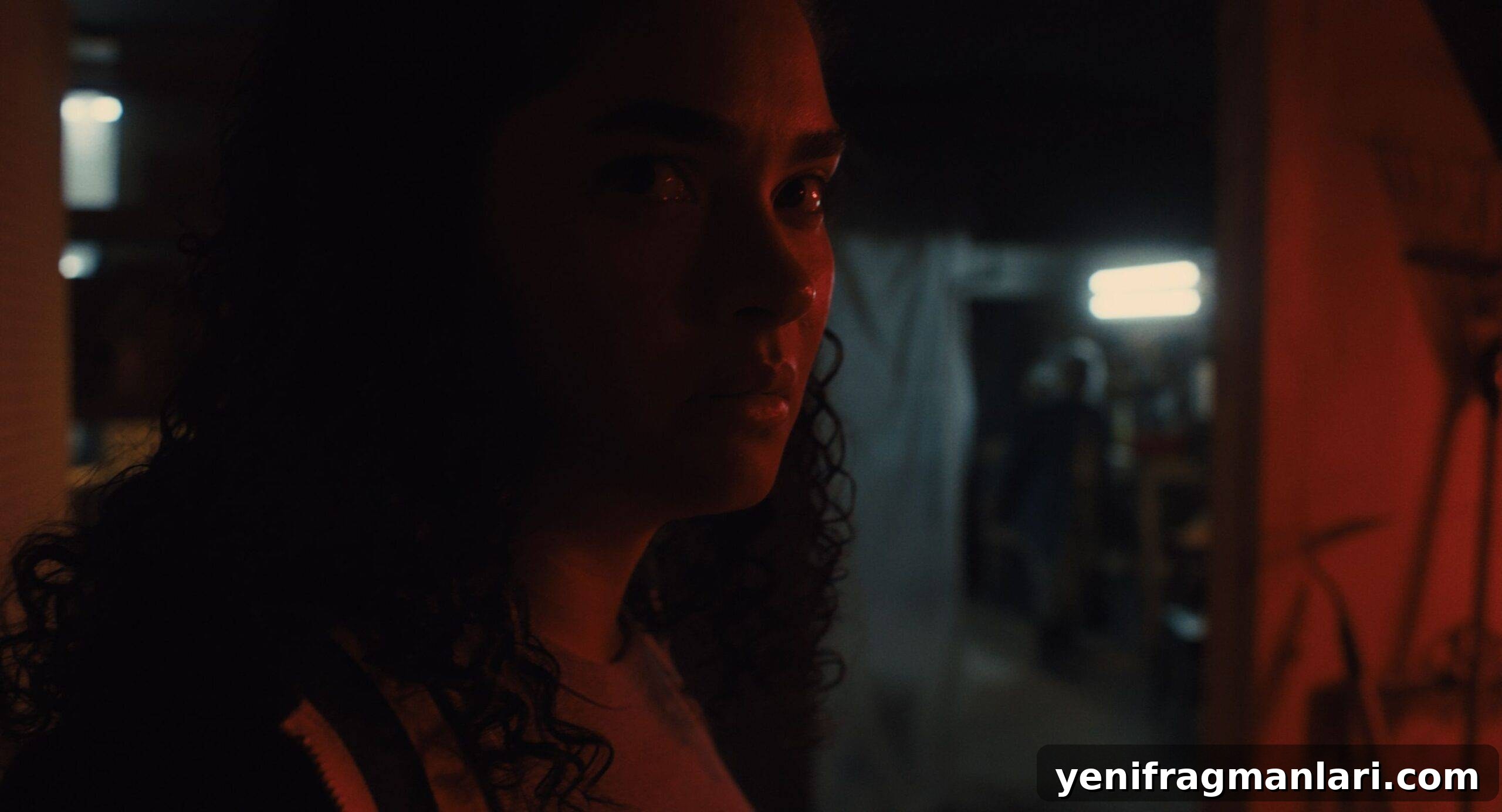
In Our Blood Movie Review

In Our Blood, directed by Pedro Kos, is one of this year’s most quietly powerful films. It blends documentary sensibilities with a taut, genre-inflected narrative to explore addiction, family, and the ethics of storytelling. Under Kos’s guidance, the film succeeds as both a human drama and a meta-commentary on the practice of making films about vulnerable people.
Pedro Kos arrives at his first major narrative feature with a strong documentary background. His experience editing and directing non-fiction work informs every choice here: the film feels lived-in, observational, and rigorously attentive to detail. That documentary DNA is the backbone of the project and shapes its most effective scenes.
Pedro Kos: “Our motto was like this is the real deal with this is about our world. And so the approach was very much based on the reality and we even tweaked the screenplay to reflect what we were learning on the ground there very much so, and it was very fluid.”
The story follows a documentary crew led by the character played by Brittany O’Grady, who returns to her hometown to reconnect with her mother, recently sober after a long battle with addiction. She brings along her cinematographer, played by EJ Bonilla, as they plan to film the reunion and the fragile process of repair. The film was shot in Las Cruces, New Mexico, and uses a real community facility—The Community of Hope—as a primary location, lending the production an added layer of authenticity.
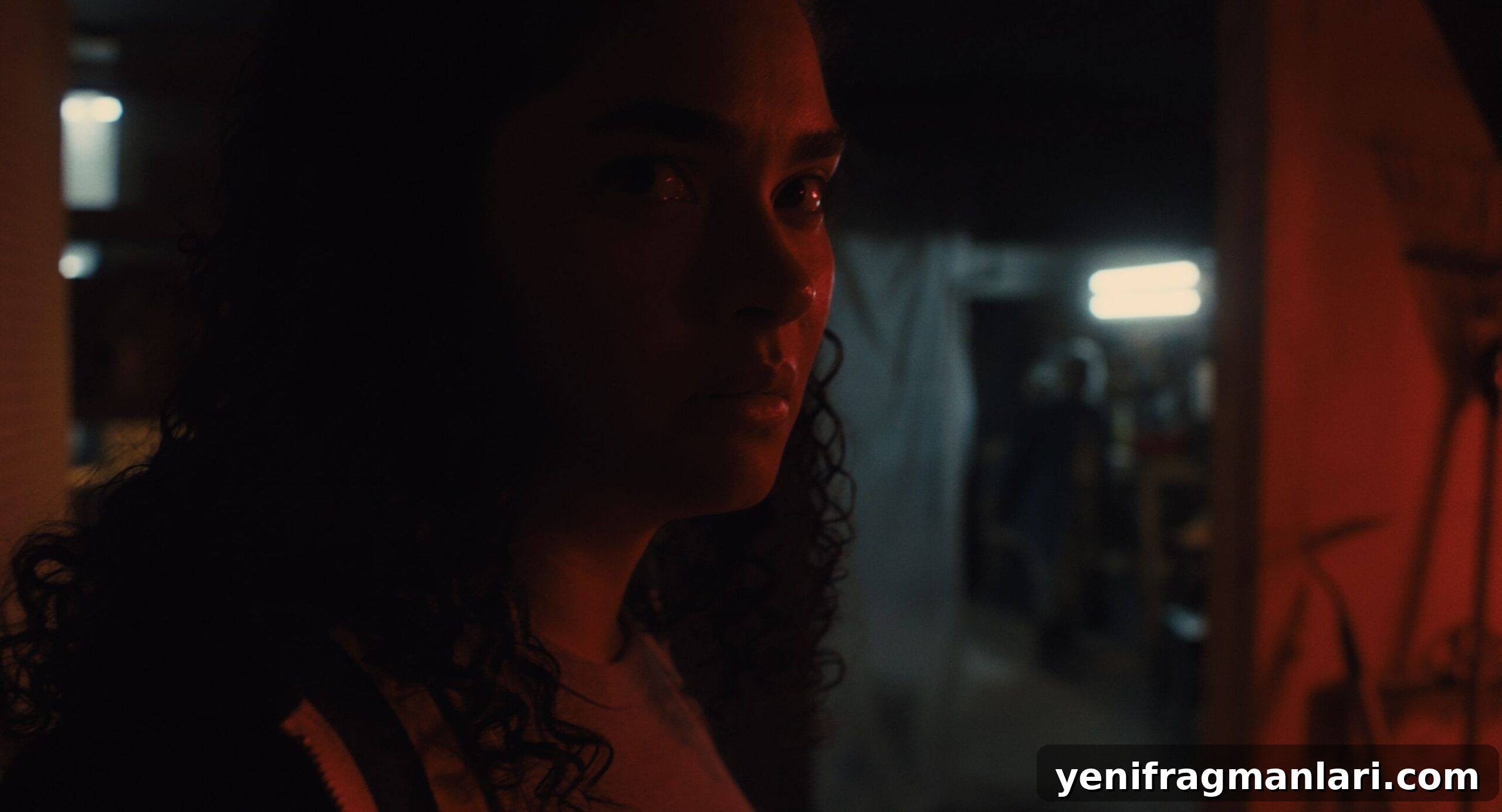
What begins as a film about reconnection quickly becomes more complicated: after the reunion, the mother disappears, and the crew must confront not only a mystery but the social systems and stigmas that surround addiction and homelessness. Kos’s approach—drawing on real people and real locations—creates moments where the narrative feels indistinguishable from documentary footage. Volunteers from local encampments appear in interview scenes, and their presence anchors the film’s portrayal of marginalization in painful, humane detail.
Pedro Kos: “There is so much that I learned from them and all the layers, the stigma, the shame, the fear, and the lack of human connection and feeling the dehumanization and, in many ways, almost feeling like monsters themselves. They are just like you; we are them, they are one of us.”
The cast amplifies the material. Brittany O’Grady gives a layered performance, conveying a woman who is both searching and haunted by past trauma. EJ Bonilla’s work as the camera operator and emotional counterpoint is measured and empathetic. Supporting performances, including Alanna Ubach, add texture without ever feeling performative. The collaborative dynamic between actors and crew—especially cinematographer Camilo Monsalve—creates a visual language that is raw but elegant. Monsalve’s work mixes handheld immediacy with striking compositions, helping the audience feel present in both intimate moments and escalating tension.
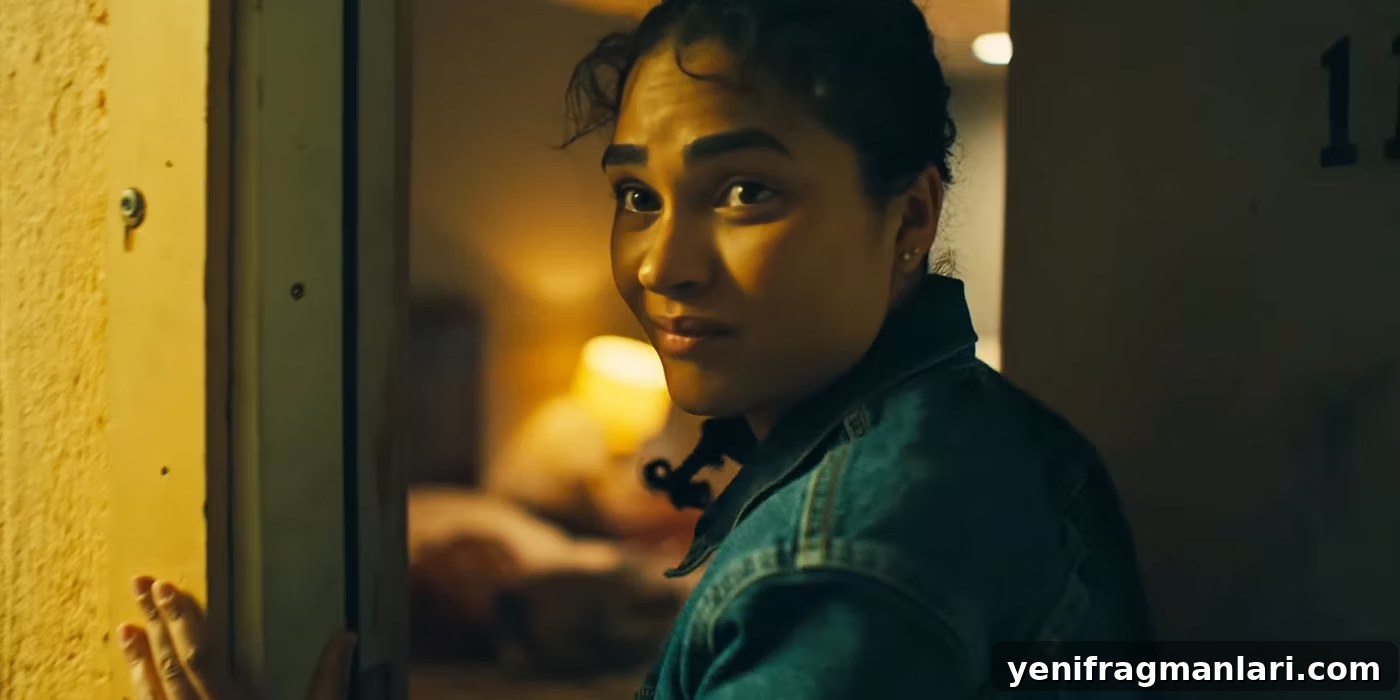
Structurally, the film is a meta-exploration of documentary filmmaking. It interrogates the ethical choices filmmakers face: when to stop filming, when to intervene, and how the presence of a camera alters behavior. The production deliberately includes small technical realities—sneaked shots, hot mic captures, lavalier adjustments—so that industry insiders recognize the truth behind the fiction. These filmmaking details work alongside a narrative that uses elements of genre and horror—suspense, moments of gore, and tonal shifts—to intensify the emotional stakes without undermining the film’s realism.
Brittany O’Grady: “Mallory did such a wonderful job of creating such an intricate world, and it’s her writing that made me want to be a part of it.”
Writer Mallorie Westfall provided a script designed for improvisation, and the cast built their characters carefully around that framework. Kos reportedly encouraged improvised sequences—in one notable instance a two-hour improvised dinner scene helped an actor fully inhabit his role—while preserving a clear dramatic throughline. The result is a performance-driven film where small gestures and unscripted moments feel earned and authentic.
EJ Bonilla: “I want to do justice to this human being, because to me, he is real. It broke my heart in a beautiful way when you realize that, at least, you know, I’m not in jail like my brother and I’m not dead like my dad. Talent has no color, right? And passion doesn’t need to have a specific type of face or body.”
In Our Blood operates on many levels: as a study of addiction and intergenerational trauma, as a portrait of marginalized communities, and as a self-aware commentary on the documentary form. It’s not a traditional found-footage movie, though it nods to that lineage; instead, it uses documentary techniques to deepen character and context, while deploying genre elements to heighten moral and emotional tension. The film may be under-talked-about now, but its honesty, craft, and empathy make it a standout work that deserves wider recognition.
More Videos — Film Review Videos
Full Written Reviews — Film Reviews