
Paranormal Activity: Why This Found-Footage Film Redefined Modern Horror
My long-documented enthusiasm for cinema comes from a belief in art’s vital role in society: it nourishes our non-physical selves—mind, soul, spirit—and it mirrors life back to us. Films, perhaps more than any other medium, offer accessible, immersive perspectives that can expose truths we might otherwise miss. When cinema reveals the darker sides of humanity, it empowers viewers by presenting truths that may have previously gone unnoticed.
Among film genres, horror is uniquely immersive. It provokes intense, visceral reactions, engaging audiences on a primal level. As a character in Frankenstein (1931) suggests, horror can thrill, shock, and horrify. Across decades, horror cinema has produced legendary moments of audience reaction: reports of fainting at premieres, spikes in heart rate during iconic scenes, and even cases where viewers mistook fiction for reality. Beyond jump scares and special effects, horror often encapsulates the anxieties of its era—Cold War paranoia, moral panics about youth, or fears of societal breakdown—making classic horror films useful windows into cultural history.
What has the 21st century offered horror so far? It has seen long-running franchises, reboots, and sequels—some entertaining, some overextended. Yet among those films, Paranormal Activity stands apart. Simple in premise but devastatingly effective in execution, it feels for many like a modern equivalent of The Exorcist in its cultural impact.
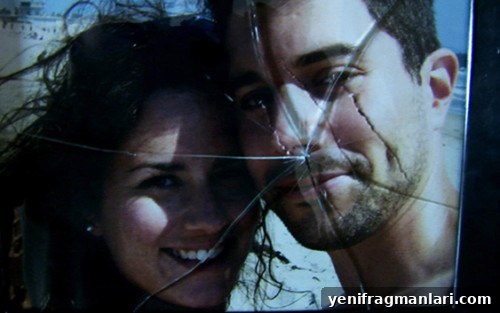
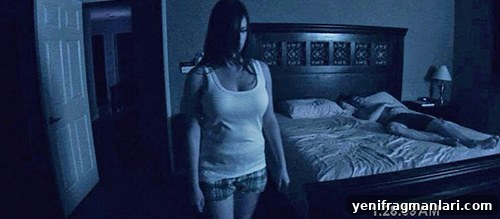
Paranormal Activity follows a young couple, Katie and Micah, using a found-footage format: nightly disturbances escalate, and Micah sets up a camera to record them, hoping to capture proof. A psychic confirms the situation is worse than a haunting—Katie appears to be stalked by a demonic presence. The couple’s attempts to manage the situation—Micah’s skepticism and the couple’s arguments—only intensify the terror that unfolds.
Personal experience underscores how unsettling the film can be. Even days after viewing, everyday nighttime sounds can seem threatening. Ordinary noises—a creak in the house, the dog moving in the dark—become sources of unease. The film’s lingering effects are a testament to its capacity to blur the line between cinematic fear and real-life anxiety.
So why is Paranormal Activity so frightening? On the surface, the film’s premise is familiar; found-footage had become a tired trope after earlier hits. But Paranormal Activity revitalizes the form by combining fundamental human fears—loss of bodily control, invasion of privacy, the presence of malevolent forces—with a strikingly naturalistic approach.
For many viewers, demonic possession ranks among the more terrifying horror subgenres because it targets the self: the idea that your body and mind could be commandeered by an external evil touches a deep, ancient fear. Beliefs about demons persist across religions and cultures, and even skeptics can find the notion unnerving. The film taps into that primal anxiety while rarely showing overt supernatural manifestations; instead, it focuses on subtle, believable intrusions: doors opening by themselves, odd noises, sleep paralysis-like episodes, and other disturbances that many people have experienced in milder forms.
Paranormal Activity’s genius lies in its gradual escalation. The first act feels ordinary and intimate—two people in their home, squabbling, joking, living their lives. The early anomalies are small and ambiguous: a door opening, a sound in the night. Because these incidents are familiar and plausible, they do not immediately trigger disbelief. As the film moves forward, the frequency and intensity of disturbances incrementally rise, drawing audiences deeper into tension until the climax becomes unbearable.
This slow-burn structure avoids the usual horror pitfall of the ridiculous monster reveal. The film rarely indulges in spectacle; the most explicit clues are minimal—footprints in salt, fleeting sounds, and very little visual exposition. By keeping the supernatural mostly unseen and letting ordinary domestic moments anchor the story, the filmmakers sustain dread without nullifying it through overexposure.
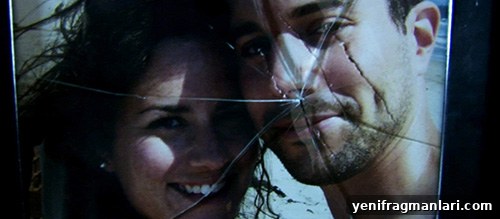
Another key to the film’s effectiveness is its commitment to naturalism. Katie and Micah feel like real people—flawed, affectionate, and often exasperating. This authenticity deepens audience investment in their fate. It also foregrounds a disturbing domestic dynamic: Micah’s cavalier and sometimes dismissive responses to Katie’s terror are rendered with uncomfortable realism. His skepticism, belittling, and attempts to control the situation create emotional friction that parallels the film’s supernatural threat. The result is a layered narrative that operates as both a demonic thriller and a tense domestic drama.
Viewed through a contemporary lens, the film also reads as an unintentional critique of gendered dynamics. Katie’s vulnerability and Micah’s dismissive macho behavior invite interpretations about power, control, and emotional labor in relationships. In that sense, Paranormal Activity can be seen as engaging with anxieties that later discussions around feminism and abusive relationships would make more publicly visible.
Ultimately, Paranormal Activity’s combination of small-scale realism, patient escalation, and resonance with deep-seated fears makes it a standout entry in modern horror. It demonstrates how minimalist filmmaking—when executed with precision—can produce maximal psychological impact, making ordinary spaces feel unsafe and ordinary people feel exposed to forces beyond comprehension.
Recommended for you: 10 Best Found-Footage Horror Movies
Bravo to a film that turns the familiar into something terrifying. Now excuse me—I need to put my jeans in the wash.