
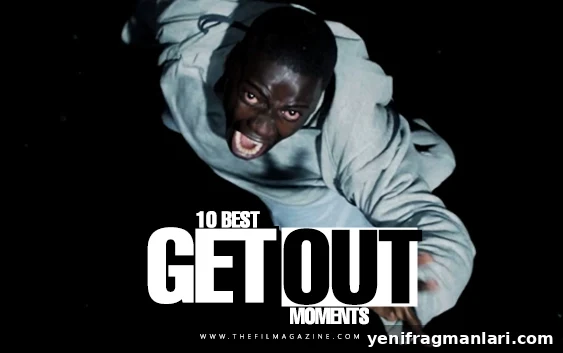
Get Out (2017) marked Jordan Peele’s striking feature debut. Known primarily for comedy—whether as co-creator of Key & Peele or voice work on shows like Big Mouth and Bob’s Burgers—Peele surprised audiences by delivering a film that blends psychological horror with sharp social critique. Get Out, followed by Peele’s later films Us(2019) and Nope(2022), established him as a filmmaker who uses genre to examine race, identity, and social anxieties.
The film follows Chris Washington (Daniel Kaluuya), a young Black photographer, and Rose Armitage (Allison Williams) as they drive to Rose’s family estate for a weekend. Rose insists her parents are progressive and will not “see” Chris’s race. But the visit quickly becomes unsettling: the Armitages are an affluent white family whose polite exterior hides something far darker. Peele builds atmosphere slowly, relying less on gore than on escalating tension and unsettling social satire.
This article, produced for The Film Magazine, counts down the ten most impactful and memorable moments in Jordan Peele’s debut. These scenes showcase the film’s craft—acting, sound design, and narrative twists—and reveal why Get Out remains a landmark in modern horror.
Follow @thefilmagazine on X (Twitter).
10. “Consider This Shit Motherfucking Handled”
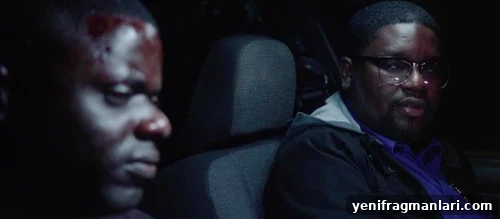
Daniel Kaluuya delivers a raw, memorable performance throughout the film, and this scene captures his collapse into relief after surviving a harrowing ordeal. Rod (Lil Rel Howery) provides much-needed comic relief and emotional grounding; his triumphant declaration—“consider this shit motherfucking handled”—is cathartic and funny. Yet the line lands with uneasy aftershocks: the jaunty theme music and Rod’s optimism can’t entirely erase the film’s darker implications about systemic issues that persist beyond one rescue.
9. “You Know I Can’t Give You the Keys, Right, Babe?”

As the climax nears, adrenaline spikes. Chris realizes they must escape immediately, but Rose holds the keys. Allison Williams shifts from affect to something colder when she says, “you know I can’t give you the keys, right, babe.” That quiet line, delivered with chilling calm, marks the definitive moment she moves from sympathetic partner to antagonist. Her emotionless expression becomes one of the film’s scariest elements.
8. The Brother
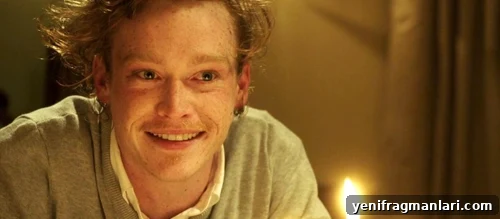
Jeremy (Caleb Landry Jones) arrives unhinged and unpredictably menacing. His intrusive, awkward questions about Chris’s race and body exaggerate everyday racist microaggressions into something aggressively uncanny. Jeremy functions as a red herring—his grotesque behavior distracts us, so when the bigger, more sinister truth is revealed, it hits harder. The character embodies overt prejudice, amplifying the film’s critique of both explicit and covert racism.
7. The Opening
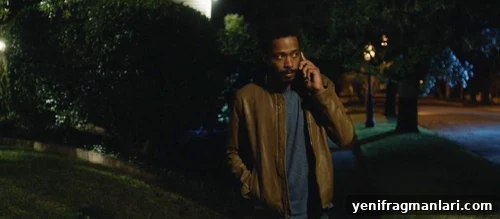
The film’s opening subverts expectations. LaKeith Stanfield walks through a dark neighborhood while a creepy overture builds tension. All the classic horror tropes appear—lonely figure, eerie soundtrack, a car approaching—only to reveal a different kind of violence. This scene expertly lulls viewers into a familiar rhythm before pulling the rug out, setting the tone for a movie that continually twists genre conventions to comment on deeper cultural anxieties.
6. The Party
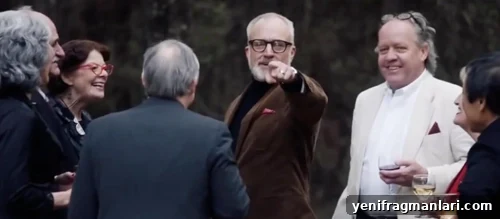
At the Armitage garden party, Chris is displayed among affluent white guests who size him up as if he were an exhibit. Their stilted compliments—about his physique, talents, and perceived desirability—feel invasive and dehumanizing. The sequence is layered with clues that gain clarity on repeat viewings: subtle looks, hesitations, and the contrast between politeness and predation. Peele uses the party to expose how casual fetishization and polite racism can be just as dangerous as overt hostility.
5. “Get Out”
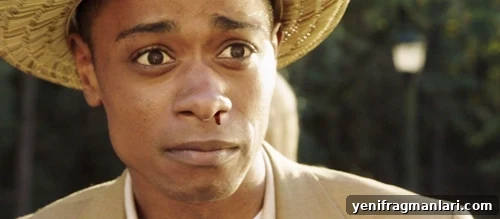
Amid the mounting dread, Chris spots Andre (LaKeith Stanfield), a Black man who appears detached and disoriented. Andre’s blankness and his incongruous spouse immediately raise alarm bells. When Chris snaps Andre’s picture, the flash triggers a violent reaction: Andre convulses, shouts “Get out,” and bursts forward. The eruption is a powerful turning point; it reframes the party’s subtle unease into outright threat and confirms Chris’s suspicions, too late.
4. Antlers
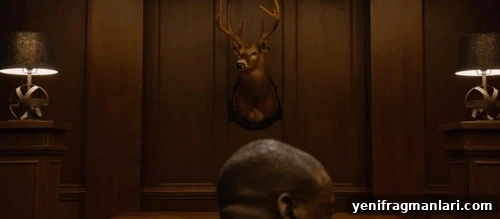
This is the film’s one genuine jump scare—and a visceral payoff. Chris turns the tables and uses a stag’s head as a weapon against Dean Armitage (Bradley Whitford). Given Dean’s paternalistic diatribes and his chilling belief system, his death is both shocking and narratively fitting. The sequence flips the audience’s usual sympathy: we find ourselves aligned with a protagonist driven to violence by survival instincts rather than villainy.
3. TSA to the Rescue
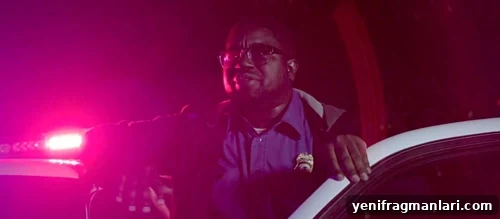
After a brutal struggle leaves bodies in the house, Chris is exhausted and bloodied, and Rose lies mortally wounded. Sirens in the distance trigger a familiar fear: for a Black man, police presence can be as dangerous as the people who attacked him. Chris resigns himself, raising his hands with heartbreaking acceptance. The car door then opens to reveal an unlikely savior—Rod’s TSA vehicle, cheerfully labeled “Airport.” Rod’s arrival upends expectations and provides a climactic, emotionally satisfying rescue that also underscores the film’s themes of loyalty and resourcefulness.
2. Armchair Fluff

Bound to a chair and forced to watch an unsettling 1980s home video that outlines the Armitages’ sinister plan, Chris struggles to resist his nervous tick. Missy’s use of hypnosis and the video’s calm explanation make the horror methodical and clinical. In this moment, Chris uses a subtle, clever maneuver to protect himself—an understated survival tactic that triggers a satisfying “of course” reaction when the audience realizes what he has done. The scene highlights Chris’s intelligence and the film’s attention to psychological detail.
1. Hypnosis
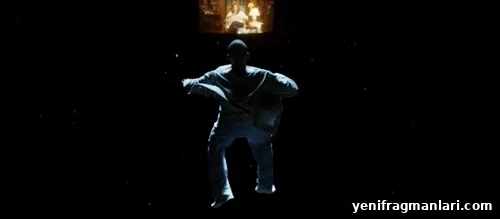
The hypnosis scene is the film’s most iconic and thematically rich moment. Missy Armitage (Catherine Keener), posing as a concerned therapist, probes Chris’s trauma and seemingly offers support—until she commands him to “sink.” The sequence introduces the Sunken Place, a haunting visual metaphor for powerlessness and erasure. Missy’s calm cruelty and Kaluuya’s controlled, terrified performance transform a therapeutic setting into a site of imprisonment. This scene pivots the movie from social thriller into speculative horror, revealing the film’s layered approach to race, autonomy, and exploitation.
Which moments from Jordan Peele’s directorial debut do you find most resonant or inventive? Share your thoughts and continue the conversation about how Get Out reshaped contemporary horror and elevated social commentary through genre filmmaking.