Mangrove (2020)
Director: Steve McQueen
Screenwriters: Steve McQueen, Alastair Siddons
Starring: Shaun Parkes, Letitia Wright, Malachi Kirby, Rochenda Sandall, Gershwyn Eustace Jnr, Gary Beadle, Jack Lowden, Alex Jennings, Sam Spruell, Joseph Quinn, Jumayn Hunter, Richie Campbell
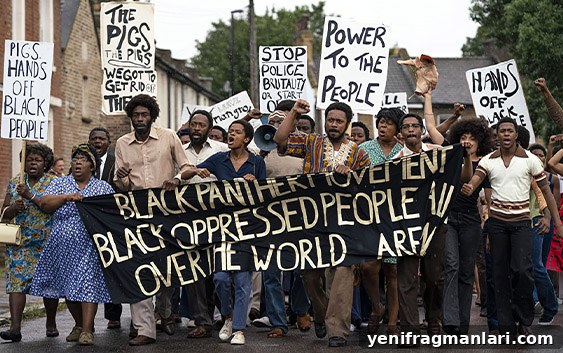
Steve McQueen’s Mangrove (2020) is a clear-headed, fiercely humane dramatization of a true story from 1970s Notting Hill. At its center is Frank Crichlow, the owner of the Mangrove restaurant, a vibrant Black-owned hub that became a meeting place for community activists and members of the Black Panther movement. The film tracks the harassment and surveillance that Crichlow and his patrons endured, culminating in a protest outside the local police station and the subsequent arrest of nine community members—later known as the Mangrove Nine—on charges of riot and affray.
One image from the film sums up McQueen’s visual intelligence: a shot that follows the Mangrove Nine as they approach a whitewashed courthouse. The camera moves from the relatively small, dark figures at the building’s base to the pale façade where the word “Justice” is engraved, filling the frame with oppressive whiteness. This composition isn’t only clever cinematography; it is an argument about power and the systems that enforce it, a visual shorthand for how institutions can dwarf individuals and obscure truth.
McQueen’s film is both an act of reclamation and a study of endurance. It refuses the voyeuristic or sensationalist impulses of some mainstream movies and instead builds a world populated by fully realized people. The Mangrove restaurant is alive with warmth, music and sharp humour; the community scenes feel celebratory and textured, which makes the film’s harsher moments—raids, beatings and courtroom confrontations—all the more devastating. The political stakes of the story are unmistakable and, frustratingly, still resonant: the film underscores how modern movements against racial injustice echo the struggles of the past.
The script and direction balance immediacy and restraint. McQueen and co-writer Alastair Siddons avoid melodrama, letting the characters’ dignity speak for itself while also not shying away from rage. The narrative tightens as the legal battle begins, and although some courtroom beats lean on genre familiarity, the documentary-like attention to detail and the ensemble’s conviction keep the drama alive and urgent.
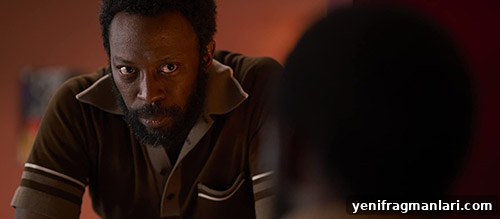
Performances are the film’s heartbeat. Shaun Parkes gives a career-defining portrayal of Frank Crichlow, moving between steely determination and vulnerable exhaustion with a physical intensity that anchors the film. One particularly electric scene has Parkes delivering a furious, lyrical outburst in a holding cell—framed and lit in a way that amplifies both his anger and his exhaustion. It’s a performance moment that remains with you.
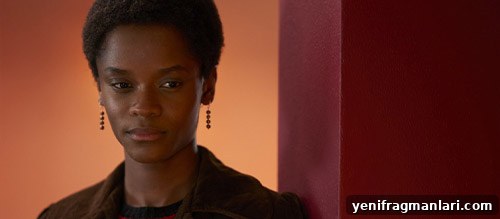
Letitia Wright, as Altheia Jones-LeCointe, is another standout. Known to many for a major studio role, Wright here reveals a different range—eloquence and iron will in public, complicated and human in quieter scenes. Rochenda Sandall and Malachi Kirby deliver powerful turns as Barbara Beese and Darcus Howe, respectively, each charting believable arcs: Sandall’s character moves from fierce confidence to raw vulnerability, while Kirby’s Howe becomes more assertive and politically hardened as the story progresses. The supporting cast, including a number of memorable turns among the white officers and officials, helps create a textured world where tensions feel lived-in rather than staged.
Technically, Mangrove is exemplary. Shabier Kirchner’s cinematography makes deliberate choices about colour and framing that reinforce the film’s themes. Production design and costumes convincingly recreate 1970s London without resorting to caricature. McQueen’s control over pacing—balancing quieter, character-driven interludes with explosive confrontations—keeps the film taut over its roughly two-hour runtime. It’s a compact runtime for a courtroom drama that also serves as social history, and the film never feels rushed or overlong.
Where the film occasionally falters is in a few broader-stroke portrayals of antagonists, which can feel one-dimensional compared with the richly drawn protagonists. Still, those moments do not undercut the film’s larger achievements: its empathy, its moral clarity and its commitment to telling a story from within a community rather than about it.
Mangrove stands as one of Steve McQueen’s most personal and politically urgent works. It restores a vital, often overlooked episode of British civil-rights history to the cinematic record and does so with artistry and respect. The film is at once a celebration of communal life and a blistering indictment of an unjust system—an important and timely film that will matter to audiences now and for years to come.
20/24