Bedelia (1946)
Director: Lance Comfort
Screenwriters: Vera Caspery, Isadore Goldsmith, Herbert Victor
Starring: Margaret Lockwood, Ian Hunter, Barry K. Barnes, Anne Crawford, Beatrice Valley, Louise Hampton
Bedelia is a compact, stylish piece of British film noir that feels sharper and more modern than its 1946 release might suggest. Based on the novel by co-writer Vera Caspary, this roughly 90-minute black-and-white thriller moves between genteel domestic settings and the creeping dread of a woman with something to hide. The film’s combination of controlled direction, a twist-driven screenplay and a standout central performance by Margaret Lockwood makes it a rewarding watch for anyone interested in post-war British cinema and the evolution of noir tropes.
Lance Comfort’s direction gives Bedelia a graceful, almost theatrical quality. Scenes are often allowed to breathe: camera movements replace rapid cutting, and longer takes build an atmosphere of slow-burning tension rather than relying on jump edits. That measured approach lets the performances carry the dramatic weight and gives the film a deliberate visual rhythm that can feel surprisingly contemporary. Comfort’s eye for blocking and composition is evident throughout; the camera seldom sits idly but moves to redefine the frame and the relationships between characters.
The screenplay unfolds with economical intelligence. Rather than leaning on sensationalism alone, the script tightens suspense through dialogue and interaction, subtly revealing motives and misdirection. Moments of heightened tension arrive organically, earning emotional release in the later scenes without resorting to melodrama. The film’s plotting privileges personality and psychological nuance over spectacle, which helps it stand apart from some of the era’s more conventional thrillers.
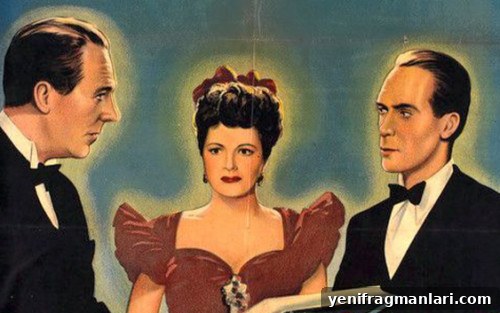
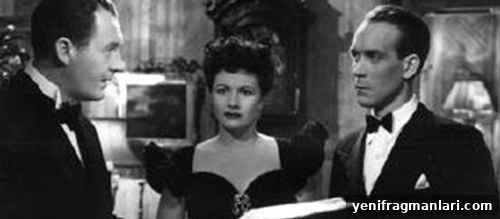
Margaret Lockwood delivers the film’s most compelling work as the ambiguous Bedelia. She walks the line between danger and fragility with careful control, offering a portrayal that blends classic noir femme fatale traits with moments of vulnerability that invite sympathy. Lockwood’s performance anchors the film: her measured expressions, poise and the hints of inner turmoil she conveys make it easy to understand why the plot revolves so much around her character’s presence and secrets.
The male leads provide strong support. Ian Hunter, as Lockwood’s on-screen husband, brings a grounded, dependable presence that contrasts with the sleeker menace of Barry K. Barnes’s investigator. Barnes’s character introduces an inquisitive energy that propels the narrative forward; his performance reads as persistent and quietly cunning without overwhelming the story. The contrast between the two men’s demeanors — Hunter’s stability against Barnes’s probing — amplifies the film’s central tensions and enriches its character dynamics.
Cinematographically, the film favors classic noir lighting and composition without becoming ostentatious. The black-and-white palette is used to sculpt faces and interiors, creating a clear sense of texture and mood. The editing varies its pace to emphasize narrative beats: longer takes let subtle exchanges accumulate significance, while quicker rhythmic shifts punctuate revelations and moments of danger. This balance supports both the psychological focus and the thriller elements of the story.
Although Bedelia may not reach the canonical heights of contemporaries such as Hitchcock or Powell and Pressburger, it is nevertheless the product of a director and a creative team who understood how to blend romance, suspense and character study. The film’s setting — which brushes against the Yorkshire landscape while keeping much of its drama confined to domestic interiors and small-town enclaves — gives it a distinct regional flavor that complements its noir sensibility rather than defining it entirely.
For modern viewers, the film’s pacing and stylistic choices will feel deliberate but rewarding. The emphasis on performances, carefully constructed scenes and a script that prefers implication to blunt explanation makes Bedelia a subtle thriller: one that invites close attention and yields its pleasures gradually. It is not a showy classic, but it is an accomplished example of British noir with a remarkably nuanced lead.
In short, Bedelia offers a sophisticated, character-driven turn on mid-century film noir. Its strengths lie in Margaret Lockwood’s layered performance, Lance Comfort’s assured direction and a screenplay that keeps tensions taut without losing psychological depth. For anyone exploring British post-war thrillers or the evolution of the femme fatale figure, Bedelia is a quietly impressive entry worth discovering.
19/24