
Election (1999)
Director: Alexander Payne
Screenwriters: Alexander Payne, Jim Taylor
Starring: Matthew Broderick, Reese Witherspoon, Chris Klein, Jessica Campbell, Phil Reeves
Alexander Payne’s second feature, Election, accelerated a career that showed early promise with Citizen Ruth. Released in 1999, this dark high-school comedy established Payne as a distinctive voice in American cinema, blending sharp satire with sympathetic character work. While not a major box office hit, the film earned significant critical praise and marked Payne’s first major awards recognition, including Golden Globe and Academy Award nominations for Best Adapted Screenplay.
The film’s premise—an intense, sometimes petty high-school election—sounds modest on paper, but Payne and co-writer Jim Taylor use it to dissect American politics and institutional absurdities on both a small and large scale. The campaign for student body president becomes a revealing miniature of political life: ambition, manipulation, moral compromise, and the theatricality of public personas. Payne’s ear for uncomfortable humor and moral ambiguity gives the film a satirical edge that feels sharper than many more overtly political projects.
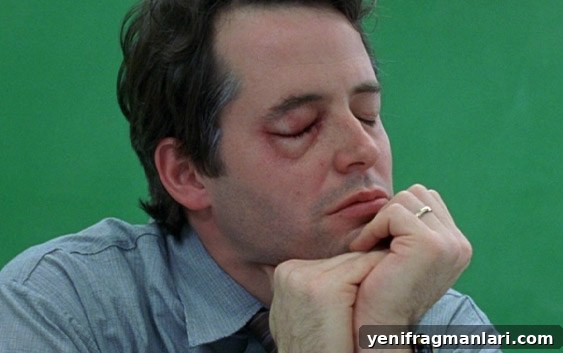
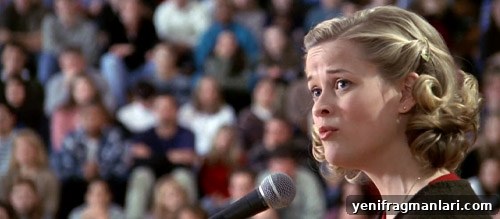
Central to the film’s success are its performances. Reese Witherspoon is scene-stealing as Tracy Flick, an overachieving, relentlessly driven student whose single-minded ambition makes her both unbearable and oddly sympathetic. This early leading role showcased Witherspoon’s knack for balancing intensity and vulnerability, turning Tracy into a character who provokes both scorn and reluctant empathy. Opposite her, Matthew Broderick plays Jim McAllister, a weary high-school teacher whose life unravels as the election spirals out of control. Broderick brings warmth, frustration, and a quiet desperation to Jim that grounds the film’s darker tendencies.
Chris Klein’s Paul Metzler and Jessica Campbell’s Tammy further round out the ensemble, adding layers of teenage inertia and misplaced idealism. Payne’s decision to employ multiple narrators—four distinct voices that offer competing perspectives—proves a smart structural choice. It allows the story to reveal bias, misunderstanding, and self-justification from different angles, and it makes the satire feel balanced rather than merely cynical.
Critics at the time and in later retrospectives often noted a tonal kinship with other late-1990s high-school satires. Some comparisons to Wes Anderson’s Rushmore are understandable: both films blend quirky comedy with poignant character studies set in educational institutions. But Payne’s voice is darker and more politically attuned; his film interrogates the performative nature of civic life in ways that remain relevant.
Two decades on, Election has aged well. Its depiction of ambition, small-town politics, and institutional posturing still resonates, and Tracy Flick has become a cultural shorthand for relentless political ambition. The film’s balance of barbed humor and genuine human feeling is a hallmark of Payne’s work and a reason why audiences continue to discover and debate the film. Even figures outside the world of film have taken note—public figures have referenced the movie in conversations about political character and ambition, speaking to its lasting cultural footprint.
Technically, Election is economical and assured. The screenplay’s economy of detail, the clear character arcs, and the sharp dialogue make the film taut and engaging. Payne’s direction keeps scenes brisk and observant, leaning on subtle physical comedy and small emotional beats rather than broad gestures. The result is a satire that is both bitter and compassionate: it lampoons its subjects while still making room to understand them.
For viewers interested in political satire, workplace or institutional comedies, and sharp character studies, Election remains essential viewing. It introduced many of the thematic and tonal elements that would define Payne’s later acclaimed films, and it stands as a benchmark for intelligent, character-driven satire. Whether experienced as a critique of political theater or as a tightly written dark comedy about the hazards of ambition, the film remains rewarding and relevant.
Score: 20/24