
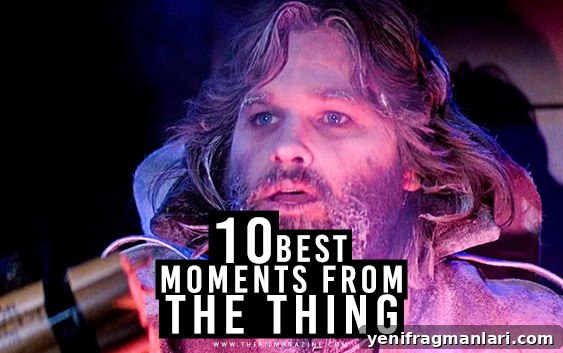
John Carpenter’s 1982 film The Thing, the second screen adaptation of John W. Campbell Jr.’s 1938 novella “Who Goes There?”, is widely regarded as one of the greatest science-fiction horror films ever made. Set at an isolated Antarctic research base where a shape-shifting alien infiltrates the group, the film is a masterclass in mounting tension, distrust, and groundbreaking practical effects by Rob Bottin.
Although its initial reception was mixed—partly because it premiered close to the warmer, more family-friendly film E.T. the Extra-Terrestrial—The Thing has since been reevaluated and celebrated across cinema for its craft, tone, and influence. In honor of the film’s enduring legacy, this article highlights the ten most memorable moments from John Carpenter’s classic.
10. “Well then we’re wrong!”
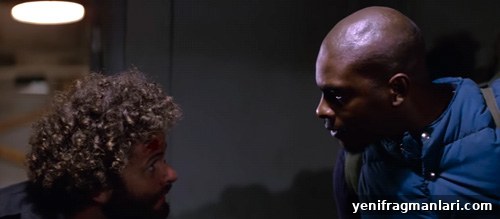
This brief exchange captures the film’s central atmosphere of suspicion and moral collapse. When the team suspects MacReady (Kurt Russell) might be an imitation, they lock him out in the cold and agree they will shoot if he tries to return. Conscience briefly intervenes as the pilot pleads for mercy, leading to the chilling line:
“Childs! What if we’re wrong about him?”
“Well then we’re wrong!”
There’s no certainty left—only the grim logic of survival. The line crystallizes the film’s theme: when trust breaks down, people may accept horrific actions as the price of survival.
9. Spaceship Discovery
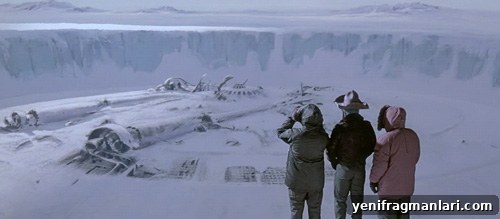
The opening prologue shows a spacecraft falling toward Earth, but the remarkable moment comes later when the team unearths the partially buried craft. The high-angle shot and matte painting work convey the ship’s monumental scale and ancient, unsettling presence. The discovery is eerie because it mixes futuristic technology with a primeval dread—evidence of something older and more dangerous than a simple extraterrestrial visitor.
8. Bennings
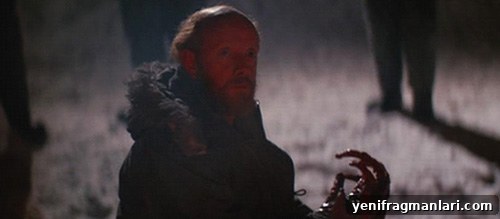
The transformation and death of Bennings is the first unmistakable sign that the Thing can assimilate and imitate humans. After the group finds a wrapped corpse, Bennings is shown outside with grotesquely malformed arms. His howl, the frantic immolation that follows, and the visual choreography of his alteration make this sequence a turning point: the Thing is no longer a distant threat—it’s among them, and it kills from within.
7. Blair and the Radios
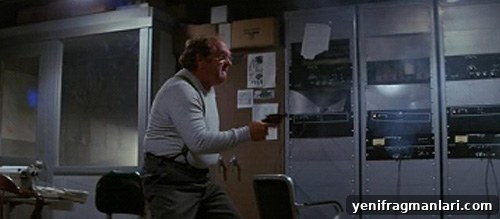
When Blair snaps and begins sabotaging the base—crippling the radios, helicopter, and any means of escape—he insists the alien must be contained at all costs. Wilford Brimley’s portrayal walks a tight line between credible alarm and paranoid breakdown. Blair’s actions expose a moral paradox: the attempt to preserve humanity by isolating the base leads to extremes that make it difficult to tell reason from madness.
6. Helicopter Dog Chase
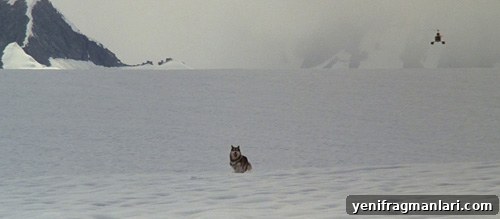
The film opens on a chaotic, unforgettable image: a helicopter firing on a dog as it races across the snow. Even before the American team fully understands what’s happening, the sequence thrusts viewers into panic and mystery. The contrast between ordinary base life—recreation, banter, and alcohol—and this sudden attack immediately signals the film’s unstable world and primes the audience for the shock of what follows.
5. Norwegian Camp
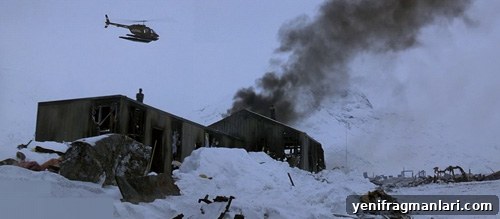
Arriving at the wreckage of the Norwegian camp, the team finds chilling, frozen scenes: a man who apparently killed himself, blood stiff in the cold, and a block of ice concealing a mutilated face. The haunted, smoky environment and Ennio Morricone’s sparse score heighten the sense of dread. These discoveries transform the threat into something profoundly unnatural and tragic.
4. Blowing It All Up
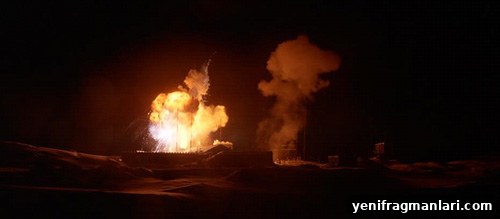
The film’s finale is a desperate act of containment: destroy the camp to prevent the Thing from reaching civilization. The explosions are visually spectacular and thematically resonant—an act of defiant sacrifice. The ambiguity of the ending, with MacReady and Childs left alive but uncertain, fuels debate. Did one of them survive because they were human, or because they were imitated? The unresolved last moments remain one of the film’s most potent legacies.
3. Dog Kennels
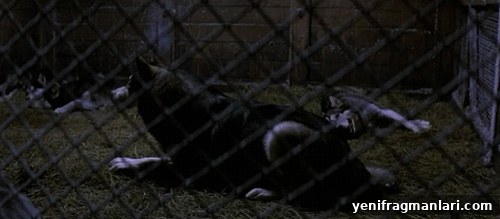
The dog kennel scene shocks and horrifies. After being rescued from the Norwegian onslaught, a dog quietly sits in its kennel before erupting into a grotesque transformation: blood, tentacles, and a flower-like maw that shreds everything in its path. The brutality is compounded by the betrayal implicit in the creature’s appearance—if a dog, a creature we trust and read as honest, can be a disguise, then anyone could be the enemy.
2. Defibrillator Scene
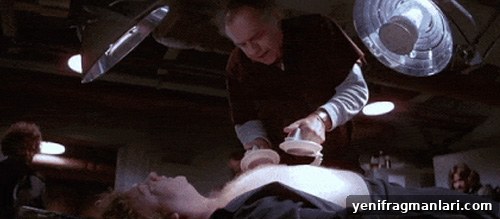
Under pressure and amid accusations that MacReady might be an imitation, the team attempts to revive an injured Norris with a defibrillator. When the chest opens into rows of teeth and a new organism bursts free—splitting, growing spider-like legs, and attempting to flee—it’s a masterful combination of misdirection and visceral horror. The scene rewrites expectations and reveals the Thing’s cunning: it can divide and strategize, making it even more terrifying.
1. Blood Test
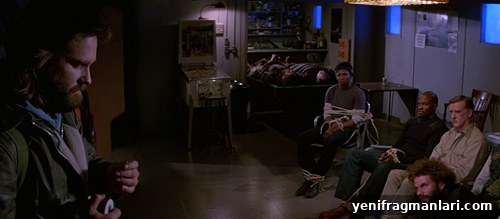
The blood test is widely considered the film’s single most suspenseful sequence. Bound and monitored, each man’s blood sample is exposed to a heated wire. As the test proceeds, tension ratchets up minute by minute; the base is suffused with accusations and fear. When the wire sears one sample and the blood reacts like a living organism—writhing and attempting to survive—the result is a concentrated burst of body-horror that plays out against nearly unbearable suspense. This scene distills everything the film does best: paranoia, dread, and the disturbing idea that the enemy may already be among you.
John Carpenter’s The Thing remains a high watermark for atmospheric horror and practical effects, its set pieces balanced between psychological dread and shocking physical transformation. Which scenes stand out to you? Share your thoughts and your favorite moments from this enduring classic.