
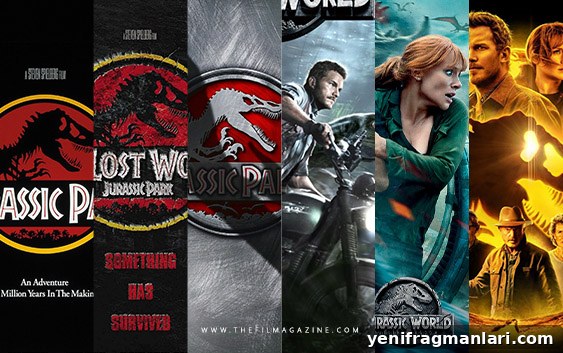
Ever since Jurassic Park premiered in 1993, the Jurassic franchise has delivered spectacle on a scale rarely seen, establishing itself as a cornerstone of modern Hollywood and one of the most iconic film series in history.
Universal’s flagship franchise — consisting of three Jurassic Park films and three Jurassic World movies — has left an indelible mark on cinema, generating around $10 billion in revenue across box office and merchandising. Beyond finances, its visual portrayal of dinosaurs has shaped public perception for decades, defining how many of us imagine those creatures, regardless of later scientific debate.
Adapted from Michael Crichton’s novel and launched by director Steven Spielberg, the series blends themes of environmental responsibility, the ethics of cloning, and sharp critiques of corporate hubris with blockbuster elements: thrilling action, well-timed humor, and groundbreaking special effects. The work of Industrial Light & Magic on the original film redefined visual-effects standards and helped cement the franchise’s influence across the industry.
In this feature, we revisit every film in the Jurassic franchise — the three Jurassic Park titles and the three Jurassic World entries — ranking them by artistic merit, entertainment value, intent, and thematic weight. These are the Jurassic Park / World Movies Ranked.
6. Jurassic Park III (2001)
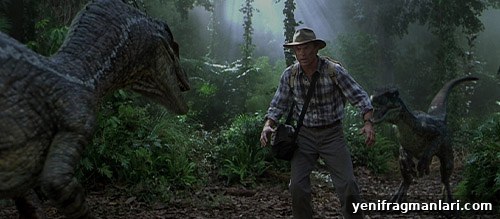
When Joe Johnston stepped in to direct this entry after Steven Spielberg, expectations were high. Johnston had proven himself with family-friendly hits and had long been associated with Spielberg, so he seemed like a natural successor. However, production problems — most notably starting principal photography before a finished script existed — left the film uneven.
Sam Neill returned as Dr. Alan Grant, but the narrative stretches him into a rescue mission on Isla Sorna to find a stranded teenager. The film’s tone shifts awkwardly between inspired horror sequences and juvenile jokes, and supporting characters often feel stereotypical or annoying. While there are memorable moments (the bird-cage sequence stands out), the movie never develops the consistent energy or emotional clarity of other franchise entries.
Of the Jurassic films, Jurassic Park III is the most forgettable. Its self-aware cheesiness fails to land; attempts at novelty sometimes come across as cheap rather than clever. The creative friction between directors, writers, producers, and studio produced a film that rarely commits to a single, effective vision. It’s an understandable reason the franchise took a lengthy break after this installment, and it’s why this entry sits at the bottom of the list.
5. The Lost World: Jurassic Park (1997)
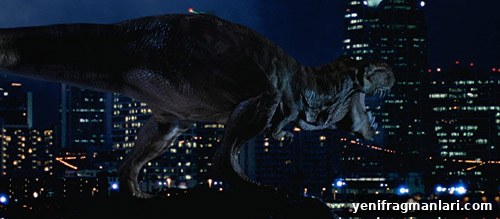
Elevating Jeff Goldblum to the lead after his memorable turn in the original seemed fitting, but this sequel shifts focus toward personal and familial drama that undercuts some of his character’s enigmatic charm. Ian Malcolm’s cynicism becomes the movie’s dominant tone, and the sequel loses some of the sense of wonder that defined the 1993 original.
Spielberg’s signature blockbuster touch is still present, lifting a script that otherwise struggles to sustain its ambitions. The film explores themes of intervention, control and consequence, but its structure and tone leave it less resonant than other entries. There are strong set pieces — the cracking glass cliff scene is a highlight — yet the broader narrative doesn’t reach the emotional or thematic depth of the best franchise installments.
4. Jurassic World (2015)
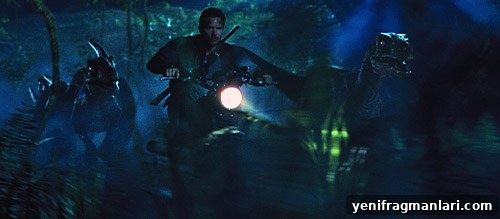
Jurassic World revived the franchise’s sense of wonder by making dinosaurs feel spectacular once again, even if it functions more as an action movie than as a meditation on the franchise’s deeper themes. The film replicates many story beats of the original and places them in a hyper-commercialized, theme-park environment — a clear commentary on modern entertainment and consumer culture, even if delivered with a lighter touch.
Colin Trevorrow, in his first major blockbuster, captured Spielbergian energy under Spielberg’s executive production guidance. The film leans into nostalgia and spectacle, and while product placement and a thin script limit its thematic depth, Jurassic World succeeds at delivering fun and cinematic thrills. It may not match the original’s ingenuity, but it reintroduced the franchise to a new generation and proved entertaining and visually impressive.
3. Jurassic World: Fallen Kingdom (2018)
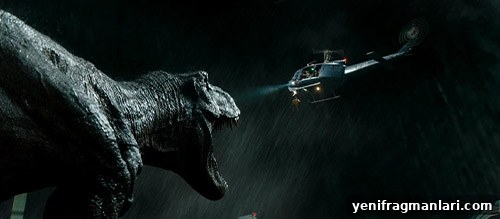
J.A. Bayona takes the sequel in a bolder direction, blending blockbuster dinosaur set pieces with elements of an existential horror film. This tonal experiment produces mixed results but delivers some of the most distinct imagery in the modern series, notably the volcanic destruction of Isla Nublar and the unsettling sequences that bring dinosaurs into domestic settings.
Fallen Kingdom is at its best when it leans into atmosphere and dread: it builds suspense, provides genuine scares, and rethinks how these creatures can inhabit and threaten human spaces. While the plot and certain performances are uneven, the film’s willingness to take risks and expand the franchise’s visual and thematic vocabulary makes it one of the more interesting modern entries.
2. Jurassic World Dominion (2022)
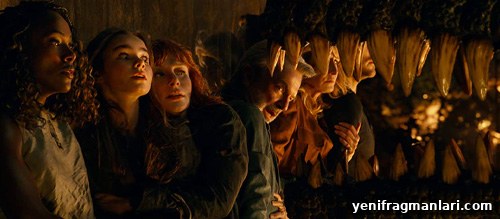
Jurassic World Dominion delivers the full-scale dinosaur entertainment the franchise promises: a wide variety of creatures, well-paced action, impressive visual effects, and strong production design. It also reintroduces original trilogy characters, weaving together legacy and contemporary threads in a finale that aims to honor the franchise’s roots.
The film wears its anti-corporate themes proudly and often feels thematically closest to the spirit of the original Jurassic Park. With a large ensemble cast and multiple storylines, Dominion can sometimes feel overloaded, but its brisk pace keeps momentum, and the reunions between legacy and newer characters provide satisfying emotional beats. Visually, the film benefits from a naturalistic palette and accomplished cinematography that enhance the realism of the dinosaurs and the scale of action sequences.
1. Jurassic Park (1993)
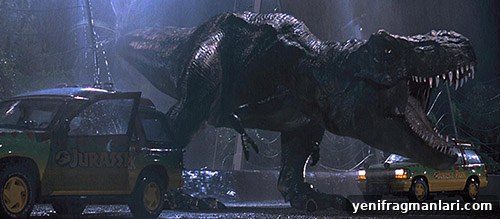
If there is a quintessential blockbuster, it is Jurassic Park. Released in 1993, Spielberg’s adaptation of Michael Crichton’s novel transformed modern cinema, much as his earlier film Jaws had reshaped the summer blockbuster decades earlier.
Combining pioneering visual effects — a milestone for practical and digital techniques — with masterful direction and a meticulous approach to suspense, Spielberg created a film that still feels cinematic and thrilling. By revealing its dinosaurs sparingly and crafting tension around what is unseen, the film builds anticipation and impact. That first reveal of the Brachiosaurus, underscored by John Williams’ unforgettable score, remains a landmark moment in film history.
The original benefits from a charismatic, well-cast ensemble: Richard Attenborough as the benevolent but naive John Hammond, Sam Neill and Laura Dern as our audience surrogates, Jeff Goldblum’s magnetic Ian Malcolm, and strong performances from child actors who add genuine emotional stakes. Sensitively executed writing, memorable dialogue, and inspired production design make Jurassic Park both endlessly rewatchable and culturally enduring. It is the definitive entry in the franchise and a high-water mark for blockbuster filmmaking.
The Jurassic franchise remains one of cinema’s most remarkable series. While not every entry reaches the peak of the original, each film offers something that will appeal to different audiences: moments of awe, inventive set pieces, and explorations of the ethical questions raised by reviving prehistoric life. Even the less successful entries contain scenes or ideas that spark the imagination.
Overall, the series is a strong and satisfying collection of films — a franchise respected and beloved by many. How would you rank the films? Consider the themes, visual achievements, and emotional impact when you make your own list.