

The Perks of Being a Wallflower (2012)
Director: Stephen Chbosky
Screenwriter: Stephen Chbosky
Starring: Logan Lerman, Ezra Miller, Emma Watson, Paul Rudd, Nina Dobrev, Johnny Simmons, Mae Whitman, Kate Walsh, Dylan McDermott
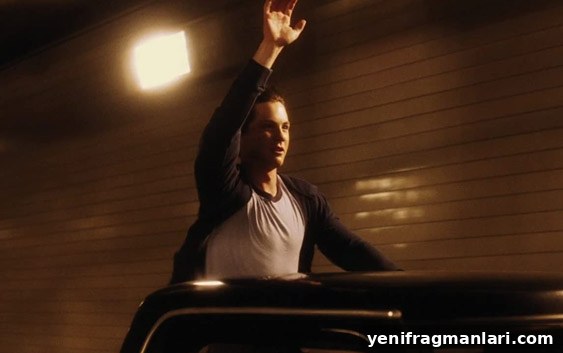
In the summer of 1996 Stephen Chbosky envisioned a young teen standing in the back of a truck, driving through a tunnel — an image that sparked the creation of his novel. From a single line he had written for another story, “…that’s just one of the perks of being a wallflower,” Chbosky crafted a narrative that combined that tunnel moment with a need for emotional catharsis. Within four months the bestselling novel The Perks of Being a Wallflower was complete. A decade after the film adaptation—written and directed by Chbosky himself—was released, his honest and delicate portrayal of high school remains one of the decade’s most affecting coming-of-age films.
Like other notable entries in the genre — such as Booksmart, Lady Bird, and The Spectacular Now — The Perks of Being a Wallflower captures the awkwardness and turbulence of adolescence. But the film moves beyond surface-level teenage experiences to confront sexual identity, alcoholism, mental illness and various forms of abuse. In commentary, Chbosky described his aim as showing “the highs and lows of growing up and all the secrets that young people have and keep.” That description is apt: the film truthfully captures the hidden pains of youth and the subtle losses of innocence as adulthood approaches.
The story follows 15-year-old Charlie Kelmeckis (Logan Lerman) at the end of summer 1991. Returning from a stay in a mental hospital and struggling with clinical depression, Charlie enters his freshman year of high school while grieving the death of his childhood best friend. He begins writing letters to an unknown recipient, and those letters provide the film’s narration, offering a window into Charlie’s inner life.
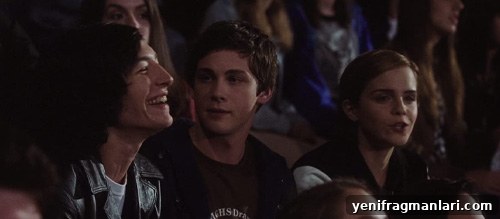
After initial failed attempts to connect with classmates, Charlie steps out of his comfort zone by attending the school’s first football game, where he meets two seniors: the exuberant Patrick (Ezra Miller) and his free-spirited stepsister Sam (Emma Watson, in her first role outside the Harry Potter films). The two invite Charlie into their orbit. They bond over shared outsider status and a mutual love of indie music, and Charlie slowly finds a place among them.
Music plays a central role in Chbosky’s approach, connecting characters to one another and to the audience. A standout sequence is the homecoming “living room routine,” when Dexys Midnight Runners’ “Come On Eileen” becomes the sound of a small, decisive liberation. Initially diegetic, the song provides a familiar anchor as Patrick and Sam rush to the dance floor and Charlie watches from the periphery. Logan Lerman’s nuanced performance conveys the social anxiety and small courage that push Charlie to join them. Once he does, the moment swells and the audience experiences that breakthrough alongside him. Chbosky repeats this technique with recurring tracks such as The Smiths’ “Asleep” and David Bowie’s “Heroes,” using music to punctuate emotional beats and build intimacy.
After the dance, Charlie meets the seniors’ eccentric friend group — a chosen family of outsiders. Following a marijuana brownie mishap, Charlie confides in Sam that his best friend committed suicide. Sam insists the group take Charlie in, welcoming him with the playful phrase, “Welcome to the island of misfit toys.” The group resembles other cinematic ensembles of outcasts — they resist conformity together and find strength in mutual acceptance.
Where many coming-of-age films lean heavily on humor, The Perks of Being a Wallflower centers humanity. The film lets comedy arise organically from authentic moments instead of manufacturing laughs, and it treats its characters with empathy rather than judgment. Adolescence is a strange, transitional time: choices start to carry weight but teenagers still feel powerless in many ways. Chbosky captures that tension — the mixture of freedom and restriction, awkwardness and yearning — with sensitivity.
One of the film’s greatest strengths is its careful portrayal of PTSD and sexual trauma. Alongside films like Short Term 12, Perks addresses childhood abuse with restraint and respect. It provides enough context to understand what characters have endured without sensationalizing their pain or exploiting victims. Many central characters have experienced abuse, but trauma does not define them; their bonds and capacity for acceptance drive the story forward. That emphasis on mutual support underscores Chbosky’s compassionate view of youth and the involuntary loss of innocence.
Chbosky’s directorial confidence is evident throughout. Although this was his first feature film, his authorship of the source novel gave him a rare degree of creative control, and that intimacy translates into the film’s rawest moments. In the third act, for instance, Chbosky shifts to handheld camerawork as Charlie’s mental state unravels, a choice that intensifies the immediacy and vulnerability of the sequence.
Combining a heartfelt screenplay, assured direction and committed performances, Stephen Chbosky’s debut remains one of the 2010s’ finest coming-of-age films. Teenagers and young adults can still find solace and recognition in Charlie’s attempt to heal; adults are reminded how unforgiving growing up can be. As Charlie himself observes, “…there are people who forget what it feels like to be 16 when they turn 17.” Those moments are real, and even if memories fade, the experience of youth endures.
The film does not address the events of 2020 or the political landscape of later years, yet Charlie’s self-awareness and willingness to face his pain continue to resonate. The Perks of Being a Wallflower offers older viewers a reminder of adolescence’s fragility and gives younger audiences a warm, empathetic embrace. After prolonged crisis and collective hardship, many people may find comfort in a tunnel moment: that instant Charlie describes, “when you know you’re not a sad story. You are alive.”
Score: 22/24
Written by Kae M.
You can support Kae M. on Twitter – @ultraman1312