
Children’s films have a unique way of stirring nostalgia—reminding us of a time when imagination felt limitless and life’s problems seemed small. Roald Dahl’s Matilda, adapted for the screen in 1996 and directed by Danny DeVito, is one of those beloved stories. It follows an extraordinary girl who uses her intelligence and telekinetic gifts to stand up to cruel adults and carve out happiness for herself and her friends. Although the film didn’t soar at the box office, it has become a cult favorite, inspired a stage musical, and continues to charm audiences with its heartfelt, whimsical portrayal of underestimated children asserting their power.
Below are the 10 standout moments from Matilda that capture the film’s wit, warmth, and defiant spirit.
10. First Day at Crunchem Hall
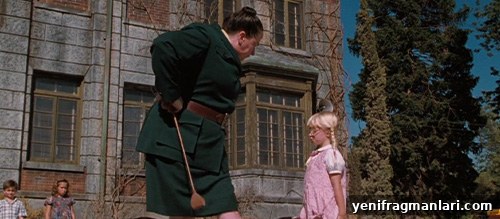
Young Matilda Wormwood (Mara Wilson) is thrilled to begin school, but her excitement quickly fades when she meets the terrifying headmistress, Miss Trunchbull (Pam Ferris). The principal’s cruelty becomes painfully obvious when she humiliates and physically tosses a new student, Amanda, for daring to defend herself. The moment is shocking, yet it’s tempered by the classmates’ supportive cheers and Amanda’s triumphant landing—an early demonstration of both the film’s dark humor and its affection for children’s resilience.
Danny DeVito uses dynamic camera work—low angles, tight close-ups, and point-of-view shots—to heighten Trunchbull’s menace and emphasize the contrast between the tyrant and the smaller, braver students. Cinematography quickly sets the emotional stakes and frames the conflict that will define much of Matilda’s journey.
9. “It’s a Newt, Miss Trunchbull”
After Matilda is punished and locked in the “chokey,” her friend Lavender (Kiami Davael) exacts a clever revenge—slipping a newt into Trunchbull’s water jug. The principal’s disgust and frantic attempts to rid herself of the creature provoke uproarious laughter from the class. When the newt finally leaps onto Trunchbull, the scene becomes a comic high point that also marks one of Matilda’s first uses of telekinesis to protect herself and her friends.
Shot/reverse-shot close-ups build tension between Matilda’s concentrated stare and Trunchbull’s overpowering rage. The sequence blends physical comedy with the film’s magical undercurrent and showcases DeVito’s playful directorial tone.
8. At the Library
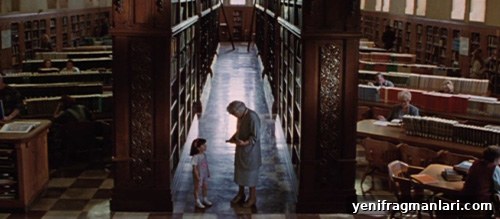
Matilda’s love of books is central to her character. As a toddler she walks to the public library and reads for hours. When the librarian offers her a library card, providing access to countless books to take home, Matilda experiences a small but profound joy: the world suddenly feels bigger and more promising. The camera emphasizes this transformation with long shots that show Matilda dwarfed by towering bookcases—yet the image feels empowering, not intimidating.
This quiet scene reveals Matilda’s curiosity and the importance of nurturing adults who recognize and encourage a child’s gifts.
7. “The Million Dollar Sticky”
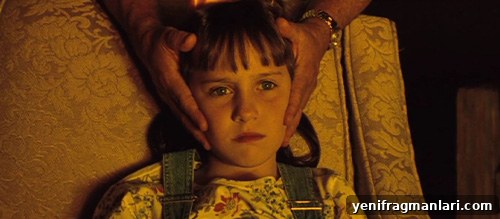
Matilda’s parents are shallow and neglectful—absorbed by catchphrases, game shows, and easy money. When her father, Harry (Danny DeVito), rips up her library book and forces her to watch a seedy game show, Matilda’s frustration builds until the television explodes. This moment hints at her emerging telekinetic powers and functions as a turning point: Matilda’s inner strength can no longer be ignored.
The scene’s tension is crafted through close-ups and quick cuts that contrast the gaudy, distracting television world with Matilda’s focused, simmering resolve.
6. Let Bruce Eat Cake
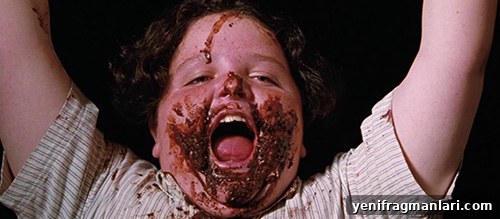
During a school assembly, Miss Trunchbull humiliates a quiet boy, Bruce (Jimmy Karz), by sentencing him to eat an enormous cake as punishment. As his classmates watch, Bruce’s triumphant grin slowly turns to panic—until Matilda leads the students in a heartfelt cheer that rallies the class. The scene is a triumphant moment of student solidarity and comic spectacle, rendered with close-ups and inventive camera angles that heighten both discomfort and glee.
5. Matilda Masters Her Powers
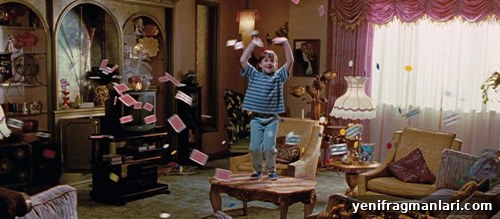
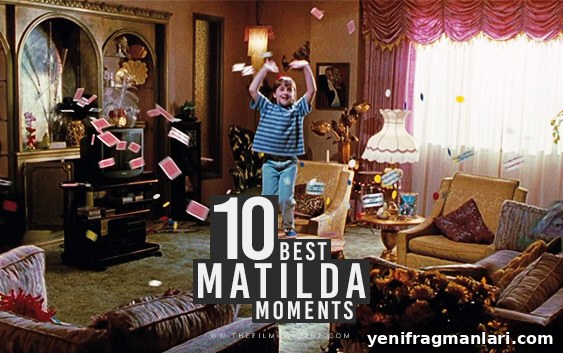
One of the film’s most joyful sequences finds Matilda alone in her family’s sitting room, dancing as she uses telekinesis to animate lamps, plants, and playing cards while “Little Bitty Pretty One” plays on the radio. This carefree scene captures Matilda’s delight in her own abilities and marks a moment of personal freedom.
The practical special effects—strings, pulleys, and clever rigging—blend seamlessly with the Wormwoods’ gaudy décor to create a playful visual celebration of Matilda’s discovery of strength and self-expression.
4. The Haunting of Trunchbull’s House
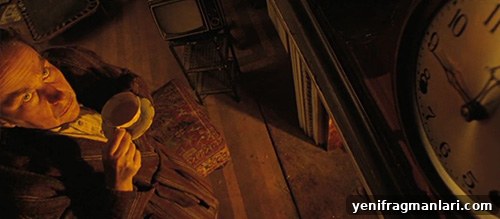
Learning that Miss Trunchbull has stolen her teacher Miss Honey’s inheritance and childhood treasures, Matilda sneaks into Trunchbull’s house one windy night. She uses telekinesis to exact a theatrical revenge: chairs slide away, shot-put balls roll down stairs, and portraits fly across rooms. Trunchbull flees in panic, finally on the receiving end of the fear she has long inflicted on others.
DeVito leans into exaggerated horror-movie techniques—dramatic angles, warm fireplace lighting, and mobile camera work—to both satirize and celebrate the moment. The scene gives Trunchbull a taste of her own medicine while showcasing the movie’s playful balance of menace and comedy.
3. Matilda’s Happy Ending
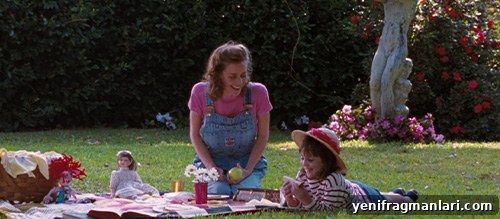
After Miss Honey legally adopts Matilda, the film offers a warm montage of their new life: picnics, rollerblading in the living room, and sharing chocolate truffles. It’s a heartening conclusion for two characters who endured neglect and cruelty. The film’s production design highlights this transformation—transitioning from neon-lit, cramped spaces to sunlit rooms full of pastel colors and open windows, visually reinforcing the emotional change.
2. Puttin’ on the Ritz
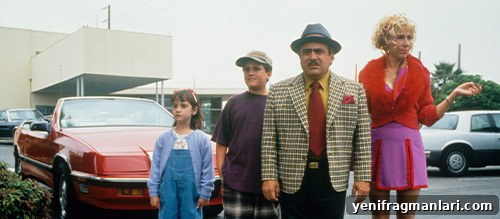
When Matilda’s mother wins big at bingo, the family celebrates at the Ritz—only to be sabotaged by Matilda’s prank: super glue on the hat brim of her father, Harry. The ensuing humiliation—ripped brims, flying desserts, and embarrassed diners—delivers slapstick comedy while underscoring the parents’ tacky selfishness. It’s a gleeful moment of comeuppance and one of the film’s liveliest set pieces.
1. Magnus’s Revenge
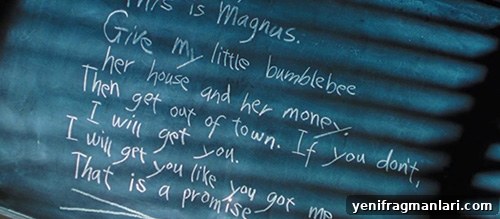
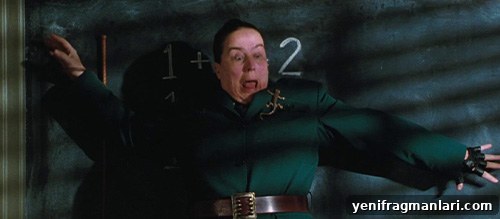
The film’s climactic sequence arrives when Miss Trunchbull confronts Matilda in class and a mysterious message appears on the chalkboard, threatening revenge in the voice of Magnus, Miss Honey’s late father. Chalk writes itself, erasers zoom around the room, and Trunchbull is finally knocked down in a cloud of chalk dust. The scene combines eerie, expressionistic lighting, tight close-ups, and off-kilter camera angles to create a thrilling, triumphant finale.
That final victory is a classic underdog moment: Matilda, small but brave and smart, defeats a Goliath through courage, friendship, and cleverness. The message is timeless—believe in yourself, stand up for what’s right, and don’t underestimate the power of kindness and imagination.
Written by Emily Nighman
Which Matilda moment resonates most with you? Share your favorite scenes and memories—this film continues to remind us that imagination, bravery, and compassion make for the most unforgettable moments in family cinema.