The Cabin in the Woods (2011)
Director: Drew Goddard
Screenwriters: Joss Whedon, Drew Goddard
Starring: Kristen Connolly, Chris Hemsworth, Anna Hutchinson, Fran Kranz, Jesse Williams, Richard Jenkins, Bradley Whitford
The Cabin in the Woods, created by long-time collaborators Drew Goddard and Joss Whedon, blends elements of classic cabin-in-the-woods horror with a satirical, Truman Show–style behind-the-scenes twist. Upon its release it felt fresh and self-aware at a time when overtly meta horror was less common; in the years since its release, many films, TV shows and games have drawn from its inventive approach. It found a modest audience and has since become a cult favorite. A decade on, the film still entertains, though some aspects age differently than others.
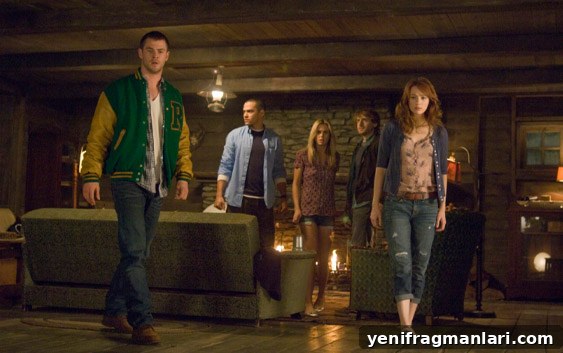
The premise is familiar: five college students head to an isolated cabin for the weekend, the kind of setup that typically guarantees bad decisions in horror films. What they don’t know is that their every move is monitored—and engineered—by technicians in a remote facility who manipulate events to ensure the group behaves like typical slasher-movie archetypes. This inversion of genre rules is the film’s central conceit and its most sustained source of humor and commentary.
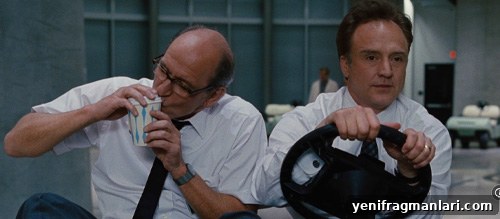
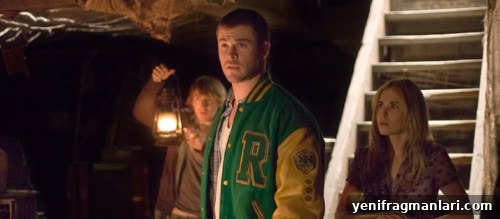
For large stretches the movie is a riot: funny, tense and playful in how it deconstructs well-worn horror conventions, particularly those that dominated the 1970s and 1980s and later became slasher tropes. Richard Jenkins and Bradley Whitford are perfectly cast as the weary, sarcastic technicians running the simulated scenarios, and they form a sharp comedic duo. The five young adults fit recognizable archetypes but each receives subtle twists—Chris Hemsworth’s Curt and Anna Hutchison’s Jules, for example, are attractive and athletic but not mindless; they possess unexpected depth. Kristen Connolly anchors the film as Dana, the empathetic protagonist, while Jesse Williams brings nuance to the bookish, conflicted Holden. Fran Kranz steals many scenes as Marty, a stoner with a spring-loaded metal bong and a warped but oddly effective worldview; his delivery supplies some of the film’s best laughs and most memorable moments.
This feature marked Drew Goddard’s directorial debut, yet Joss Whedon’s influence is unmistakable in the film’s tone and dialogue. The screenplay is witty and often snappy, with several one-liners that linger in the memory. That same voice-driven energy lends the film a lively momentum that keeps audiences engaged through its many twists.
The movie’s smartest move—beyond the office-like bureaucracy orchestrating ritualistic horror—is how that bureaucracy deliberately pushes otherwise clear-headed characters to behave like the silly, fatalistic figures found in countless slasher films. This meta layer enhances the satire: the institution running the horrors treats human sacrifice as an organizational duty, blending mundane administrative detail with cosmic stakes. The clever interplay between staged spectacle and the characters’ manipulated choices is where the film feels most original.
That said, the film isn’t without flaws. Some scenes attempt to point out the sexism embedded in the source material even as they recreate similar beats, which can feel self-aware to the point of repetition. The last act becomes more ambitious and widescreen in scope, as the writers and director escalate to full-blown chaos. Visually the finale is imaginative—particularly the moment when the facility’s containment lifts open and an elaborate assortment of horrors is unleashed—yet the tonal shift can feel abrupt. The high-concept reveal at the end aims for a grand resolution but lands unevenly for some viewers, and the finale’s casting choices come off as oddly out of sync with the rest of the movie’s grounded cheekiness.
Production and release history also shaped the film’s character. Had it arrived earlier it might have showcased Chris Hemsworth before his later stardom, but its delayed release arguably preserved its lean runtime and brisk pacing. Clocking in at about 95 minutes, the film wastes little time and avoids unnecessary padding—a strength in a film that relies on both tension and comedy.
Ultimately, if Goddard and Whedon had maintained the original tone and delivered a more consistent final act, The Cabin in the Woods might be hailed as a definitive postmodern horror classic. Even so, it remains a highly enjoyable, inventive entry in the genre: sharp, frequently hilarious and provocative. It’s not perfect, but it still offers enough cleverness and dark humor to reward repeated viewings—even as meta horror continues to evolve.
17/24