

Proud Texan filmmaker Richard Linklater has built a varied and influential body of work over more than three decades since his debut feature Slacker (1990). He has contributed memorable, low-budget cult hits alongside crowd-pleasing studio fare, earning a distinct place in contemporary American cinema.
Linklater is best known for his naturalistic approach to dialogue and character, exemplified by the celebrated Before Trilogy (Before Sunrise, Before Sunset, Before Midnight). He is also praised for formal experimentation, particularly his rotoscope-animated films Waking Life (2001) and A Scanner Darkly (2006). Perhaps his most ambitious experiment was Boyhood (2014), filmed over 12 years to capture the authentic passage of time and the realities of growing up in the 21st century.
Although Linklater’s films vary widely in genre and visual style, they share a consistent concern with identity—how people present themselves, how they develop, and how they negotiate their place in the world. From coming-of-age works such as Dazed and Confused (1993) and Everybody Wants Some!! (2016), to the true-story-based Bernie (2011), his characters often wrestle with the gap between who they are and who they want to be or appear to be. Even in his most mainstream successes, like School of Rock (2003), the theme persists: Jack Black’s Dewey Finn adopts a false identity and, through that performance, confronts his own sense of self.
Linklater’s fascination with performance and authenticity has shaped collaborative production methods that rely on extended rehearsal and actor input. Those processes have produced some of his most enduring partnerships, from Ethan Hawke and Julie Delpy as Jesse and Celine in the Before films to Jack Black’s inspired turn in School of Rock and Glen Powell’s work in the festival favorite Hit Man (2023/2024). With more than twenty directed features and ambitious projects planned—such as a period piece about the making of A bout de souffle and a decades-spanning adaptation of Stephen Sondheim’s Merrily We Roll Along—newcomers might wonder where to start. Below are three accessible entry points into Linklater’s career.
1. Dazed and Confused (1993)
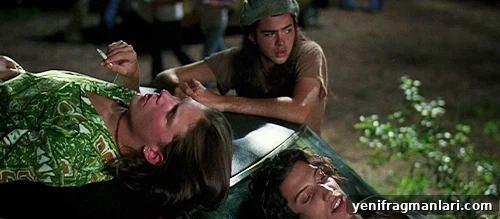
After Slacker, which he made with minimal resources and a DIY sensibility, Linklater received a relatively large budget of $6 million for Dazed and Confused. The film follows a wide cast of Texas teenagers on the last day of school in 1976. Some characters seek thrills, others face uncertainty about the future, while a few are headed to college or work. That ensemble approach creates a vivid, multifaceted portrait of adolescence that resonated with audiences and critics alike.
Dazed and Confused entered the cultural lexicon—thanks in part to Matthew McConaughey’s memorable line “all right, all right, all right”—and has since been reassessed as a key film in 1990s American independent cinema. Despite the challenges Linklater faced working with a larger budget and studio expectations, the film’s specificity and honest tone gave it lasting appeal. Linklater has described it as the defining showdown of his early career—the project that made or broke him—and its enduring influence highlights how a personal, narrowly focused story can achieve wide cultural relevance.
2. School of Rock (2003)
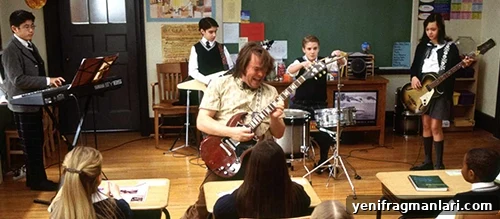
Although Linklater has often preferred independent projects, he has shown he can bring his sensibility to studio material. School of Rock, written by Mike White, became a defining childhood favorite for many viewers. Jack Black plays Dewey Finn, a struggling musician who impersonates his roommate to become a substitute teacher and eventually inspires a class of privileged students to embrace rock music.
Under Linklater’s direction, School of Rock transcends a simple star vehicle. He highlights Jack Black’s energy with long, organic takes and gives the child actors space to develop distinct, memorable characters—an outcome of his rehearsal-driven approach. The film combines humor, heart, and music while retaining a “stick it to the man” spirit that echoes Linklater’s own career. It remains one of his most accessible and widely loved films.
3. Boyhood (2014)
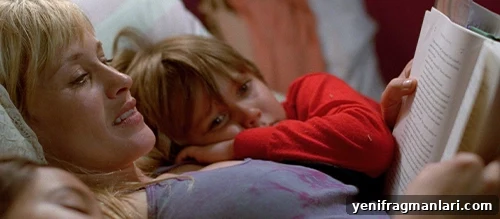
Boyhood stands as Linklater’s most ambitious experiment. The film follows Mason (Ellar Coltrane) from childhood through adolescence, filmed in brief intervals over twelve years (2002–2013). This structure allows audiences to witness genuine growth and change in the actors and characters, producing an emotional clarity that few films can match.
Supported by Ethan Hawke as the father and Patricia Arquette in an Oscar-winning role as the mother, Coltrane’s performance feels unusually immediate and lived-in, partly because of Linklater’s collaborative approach to dialogue and character development. Filming three days per year over a dozen years required persistence, careful planning, and adaptability as technology and the actors’ careers evolved. The result is a unique technical and artistic achievement: a coherent, humane chronicle of growing up in the modern era.
Boyhood’s formal daring and emotional resonance make it essential viewing for anyone interested in Linklater’s work or in contemporary cinema more broadly. It showcases his commitment to capturing truth through time, collaboration, and patience.
In interviews, Linklater has expressed concern about the shrinking opportunities for independent filmmakers and the increasing dominance of franchise-driven studio films. He has lamented that making the kinds of personal, independent movies he values has become harder over time. That reality only reinforces the significance of his achievements: Slacker, Dazed and Confused, the Before Trilogy, School of Rock, A Scanner Darkly, Bernie, Boyhood, Hit Man, and other projects represent a singular voice in American film—one rooted in curiosity about how identity forms and how people perform themselves in changing circumstances.