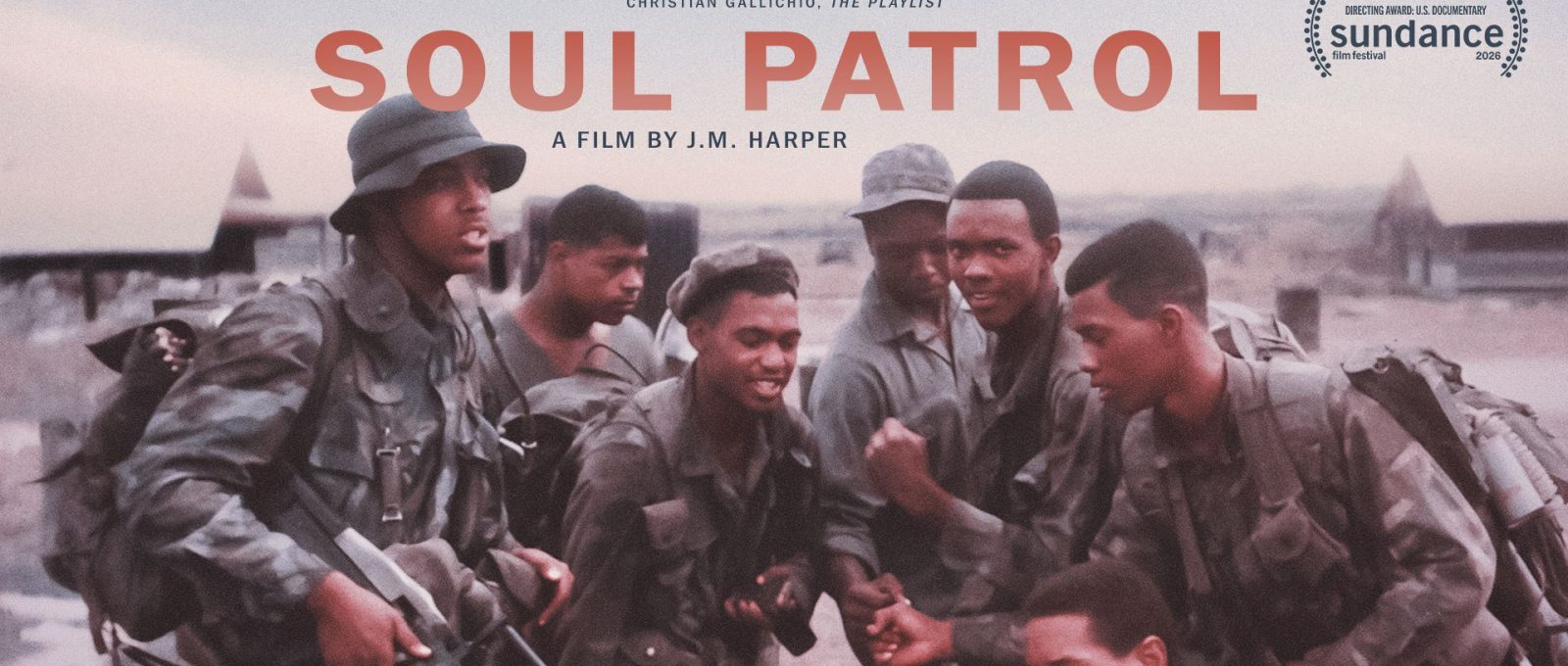
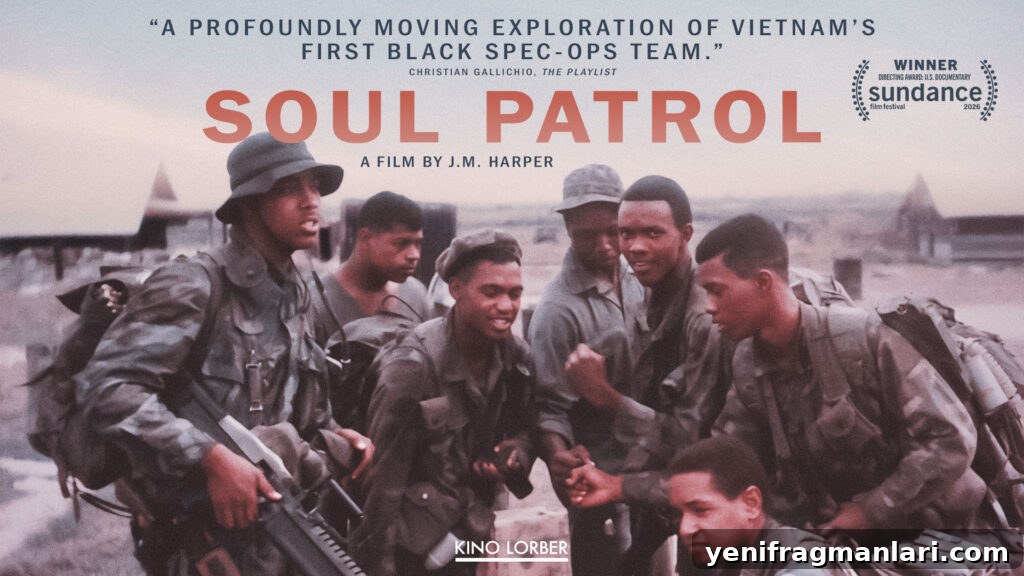
Soul Patrol is one of the most underseen and quietly powerful documentaries of 2026. That may sound surprising: the film premiered at the 2026 Sundance Film Festival, won the U.S. Documentary Directing Award, and later screened at respected festivals including True/False, Full Frame, and the Sarasota Film Festival, where it won the top documentary prize. Yet festival honors do not always guarantee broad exposure, and J.M. Harper’s film deserves a much wider audience. Kino Lorber begins a limited theatrical rollout on November 6, 2026, which is an important step toward giving this story the attention it merits.
I first met Harper at the 2024 Sundance Film Festival while he was promoting As We Speak, a documentary that examines how rap lyrics have been used in criminal prosecutions. That earlier film was among my favorites of the festival and of the year; Soul Patrol continues the director’s distinctive approach to nonfiction storytelling. Harper’s background as an editor and his willingness to borrow techniques from narrative filmmaking shape both projects. He is a filmmaker whose work I will continue to follow.
What Is Soul Patrol About?
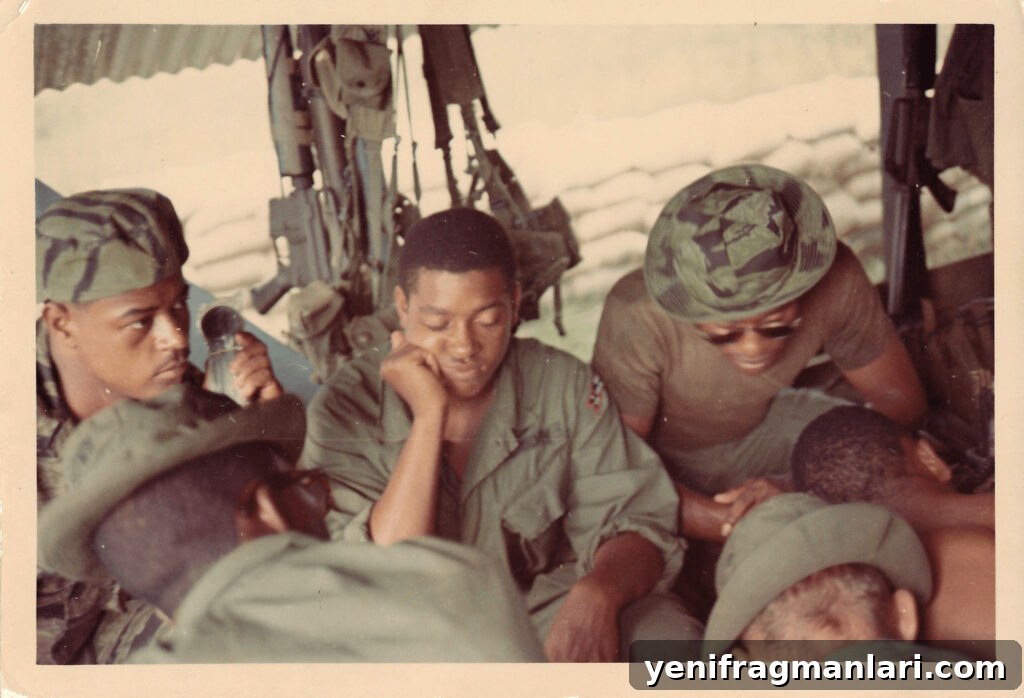
Soul Patrol chronicles the story of the Vietnam War’s first all-Black special operations team: a Long Range Reconnaissance Patrol unit deployed deep behind enemy lines. At the heart of the film is Ed Emanuel, whose account of his 1968–69 service provides the narrative throughline. Decades after the war, Emanuel and surviving team members reunite to recall what happened in Vietnam and to examine the longer aftermath of their service.
This is a chapter of history that many viewers—myself included—know little about. The film highlights a painful contradiction: these men fought overseas while the civil rights movement and anti-war activism were reshaping America at home. They defended their country even as they were denied full citizenship and equality, and they wrestled with the moral and political uncertainties of serving in a deeply contested conflict.
Their return home intensified that contradiction. A nation eager to move on from the war often turned away from veterans’ stories, and Black veterans faced particular marginalization. Racism and societal indifference left many overlooked, while opposition to the war inside some parts of the Black community complicated public conversations about their service. The result, as the film shows, was lasting isolation: life-changing experiences that many veterans felt unable to share.
J.M. Harper’s Haunting Narrative Adaptations in Soul Patrol
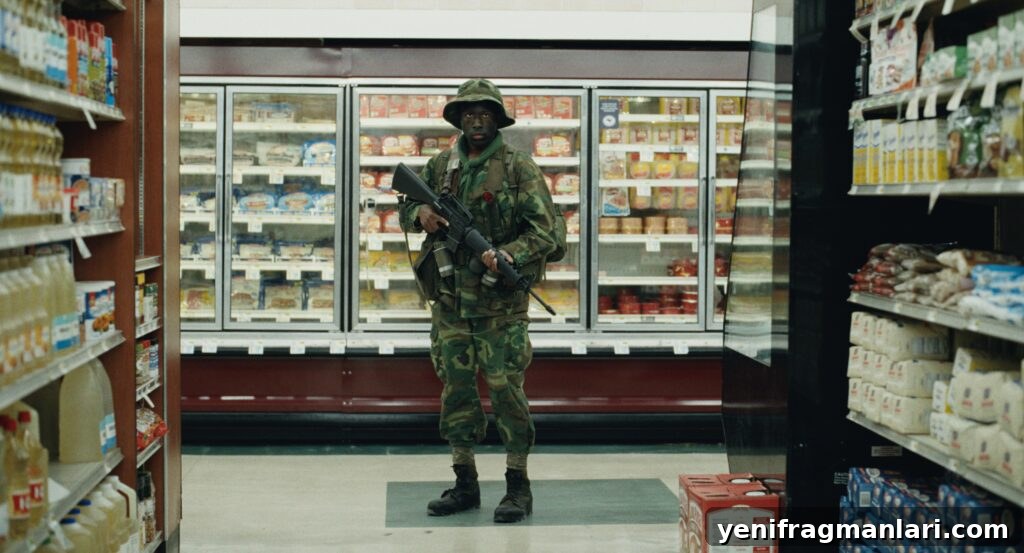
One striking and unconventional element of Soul Patrol is its use of dramatic reenactments—though Harper prefers to call them “adaptations.” Where many documentaries employ recreations merely as visual aids, Harper’s sequences are designed to evoke memory, feeling, and psychological aftermath rather than to provide literal reconstruction.
Early in the film a Black soldier stands frozen in a grocery store aisle: a simple but disquieting image that immediately unsettles. Scenes like this do more than illustrate testimony; they embody the intrusion of wartime memory into mundane, everyday life. Working with cinematographer Logan Triplett, Harper composes images that feel cinematic, sometimes surreal, often beautiful and frequently disturbing. These brief dramatic passages convert abstract trauma into tangible sensations, giving the film an emotional backbone rather than interrupting it.
How the Editing in Soul Patrol Captures Memory and Trauma
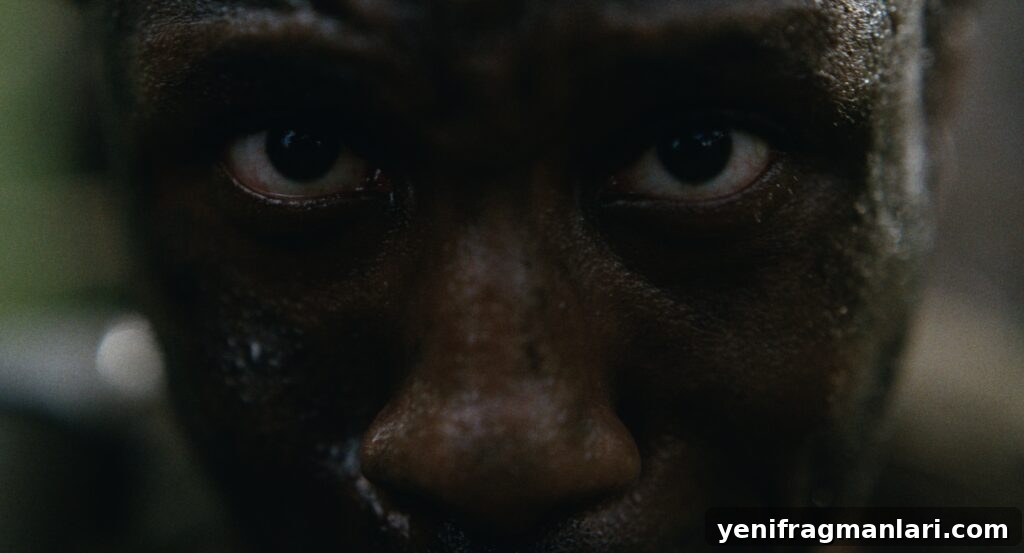
Harper’s editing background is evident throughout the film’s construction. Alongside editors Byron Leon, Gabriela Tessitore, and Niles Howard, he interlaces present-day interviews with photographs, archival footage, and remarkable Super 8 material shot by the soldiers themselves. The film’s rhythm is deliberately restless: some images linger for only a second or two before shifting to another, and the viewer frequently moves abruptly between past and present.
This restless editing mirrors the fractured nature of memory and the persistence of post-traumatic stress. Rather than offering a calm, linear recollection, the film lets memories collide, overlap, and return in unpredictable ways. Quick cuts and the insertion of the cinematic “adaptations” create a sensory experience that evokes how intrusive recollection can be—how moments from the past can suddenly appear in ordinary settings, unbidden and unresolved.
At times the film addresses post-traumatic stress explicitly, but it is also embodied in form. The editing, the visual juxtapositions, and the shifts between testimonial and dramatized material all work together to make psychological consequences legible and emotionally immediate.
Is Soul Patrol Worth a Watch?

Yes. What makes Soul Patrol particularly admirable is that its visual ambition never overshadows the people whose lives it recounts. Harper strikes a careful balance between formal inventiveness and compassionate attention to his subjects. The film rescues a largely overlooked chapter of history and renders it in ways that respect both the facts and the emotional truth of veterans’ experiences.
After As We Speak and now Soul Patrol, Harper has established himself as a distinctive voice in contemporary documentary filmmaking. This is an exceptional film—stylistically daring, emotionally resonant, and historically important—and it deserves to be seen by audiences beyond the festival circuit.
Additional markets and opening dates for Soul Patrol are available from the film’s distributor, Kino Lorber, as part of the film’s limited theatrical rollout beginning in November 2026.