
Director: Sean Meehan
Screenwriter: Sean Meehan
Starring: Tory Berner, Steven Conroy
Plot: Cori is an actress, but her main job is unusual: she works for a company that hires performers to play the other person in difficult real-life conversations. Clients can rehearse a breakup, a firing, or an awkward confession with a live, breathing “sparring partner.”
We have all faced those tense, uncomfortable conversations that keep us up at night. We try to choose the right words, imagine possible reactions, and worry about how to end things gracefully. How do you break up with someone you once loved? How do you tell a friend or colleague something painful? How do you fire a long-time employee who is also a friend?
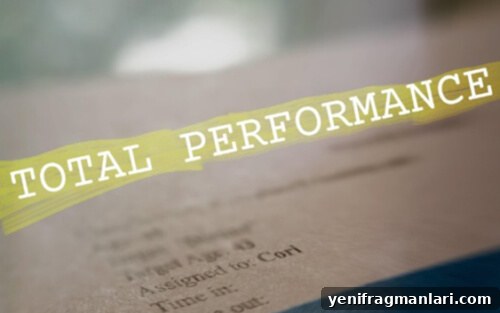
Sean Meehan’s short film Total Performance answers that scenario with a clever premise: a business that lets people rehearse emotionally charged encounters with trained actors. The film follows Cori (Tory Berner), a professional rehearsal actor, through roughly 18 minutes of sharp emotional shifts. The narrative balances humor and drama while exploring the emotional labor of role-playing for other people’s private crises.
Presented as a dramedy, Total Performance fluidly moves between comedic beats and more serious emotional moments. The screenplay leans into awkwardness in a way that often produces both laughter and empathy. Tim, played by Steven Conroy, is written and performed as a particularly unsympathetic character, which helps drive the story’s tension and viewer frustration. The short’s pacing feels deliberate yet brisk, aided by well-chosen music cues that smooth transitions and heighten emotional impact.
One area where the film occasionally falters is sound design. Some sequences felt oddly quiet, with long silences that at times came across as unnatural. For example, an early street scene features only the footsteps and voices of the client and Cori, with no ambient sounds like traffic, distant conversations, or rustling leaves. That absence can create a sense of artificiality rather than intimacy, making a few moments feel unfinished. Still, silence is also used to very effective effect elsewhere in the film. The near-absence of background noise during an early client meeting builds tension and discomfort, while the quiet in a later scene where Cori composes an audition email registers as reflective and intimate. A full-screen shot of the email—showing tentative typing and edits—was a smart cinematic choice that pulled the audience directly into Cori’s inner life.
Visual choices, particularly the film’s color palette, contribute strongly to its tone and thematic cohesion. Blue tones recur throughout—from the reception desk and a receptionist’s sweater to Tim’s apartment and the lighting during the pivotal conversation with his girlfriend. That recurring blue motif contrasts with the gray, muted palette of the audition sequence: gray walls, low-contrast lighting, and understated costumes for Cori and her rival. This deliberate color coding subtly separates the “life” and warmth of Cori’s workplace from the sterile, draining world of auditions and corporate evaluations, offering commentary on professionalism, workplace culture, and the emotional safety net a service like Total Performance claims to provide.
Tory Berner and Steven Conroy deliver strong performances. Berner, in particular, brings warmth and nuance to Cori, shifting smoothly between playful rehearsal moments and quieter emotional beats. Her ability to inhabit multiple roles within a single scene—switching tones, mannerisms, and emotional registers—helps sell the central conceit of an actor who must be many people for the sake of a client. Conroy’s Tim is deliberately off-putting, a character who earns the audience’s ire and underscores the ethical and emotional complications of the film’s premise.
The concept itself is original and compelling. It calls to mind elements of science fiction series that explore identity and performance, but Total Performance remains grounded in everyday reality. My main criticism is the running time: the short leaves many intriguing threads unexplored. I wanted to learn more about Cori’s background, how she came to this line of work, and the company’s internal dynamics—what happens behind the scenes, what limitations exist, and what can go wrong. The short raises questions about emotional labor, the commodification of intimacy, and burnout among performers who inhabit other people’s pain—questions that a feature-length version could examine in richer detail.
Like many effective short films, Total Performance ends with unanswered questions that linger in the mind. Will Cori find a breakthrough? How does this unusual industry impact its workers over the long term? These open-ended threads are part of the film’s appeal: they invite reflection and suggest much larger stories lying beneath the surface.
Overall, Sean Meehan has crafted a thoughtful, well-acted short that blends humor and poignancy. With its consistent visual language, strong central performances, and a concept that prompts deeper ethical and emotional consideration, Total Performance offers a rewarding viewing experience and clear potential for expansion.
Score: 13/24
Where to watch
Total Performance is available to view on Vimeo. Additional production details and credits can be found on standard film databases.