
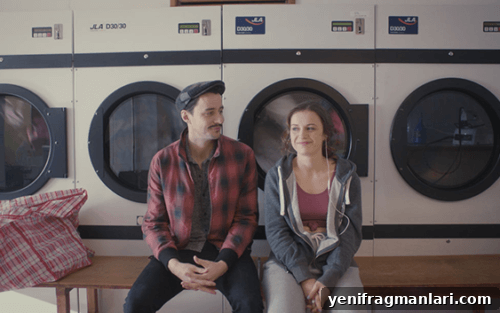
Annie Waits (2017)
Director: Marnie Paxton
Screenwriter: Chris Anastasi
Starring: April Kelley, Sam Gittins, Sarah Huxley, Alex Jordan, Andrew Simpson, Sam Swainsbury.
Marnie Paxton’s short film Annie Waits is a sharp, observant portrait of twenty-somethings navigating intimacy and identity. Running under nine minutes, the film uses wit and plainspoken honesty to examine modern dating, the fear of settling down, and the ambiguous space many millennials occupy between youth and adulthood. Paxton’s direction and Chris Anastasi’s script combine to create a small, incisive piece that feels both personal and widely recognizable.
The film follows Annie (April Kelley), a young woman who resists conventional milestones—marriage, children, and the stable domesticity society often expects. The story relies heavily on Annie’s voiceover, a candid, often ironic narration that strips romantic experiences to their awkward cores. Relationships flit by in brief, sometimes laughable vignettes; each one arrives and dissolves almost as quickly as Annie’s offhand descriptions. This brisk pacing is an intentional device: the rapid-fire sequence of encounters mirrors how quickly life and relationships can pass, and underscores Annie’s desire to extend youth and avoid the certainty she equates with adulthood.
What gives the film its emotional weight is its frankness about the uncertainty of that in-between stage. Annie’s voiceover reads like a private diary, honest to the point of discomfort. The film’s tone is intimate rather than glamorous, especially in its depictions of sex and short-lived romances. Those scenes are presented with a soft, warm light that quickly cools as the relationships lose their luster. The narration’s “on to the next one” rhythm reinforces Annie’s detachment—she pursues pleasure without necessarily seeking deeper connection. That diary-like approach invites the audience into Annie’s inner life, revealing both self-awareness and contradiction without casting judgment.
April Kelley anchors the film with a nuanced performance. Her portrayal keeps Annie relatable: skittish, witty, and vulnerable beneath a veneer of sarcasm. Kelley’s delivery makes Annie sympathetic; the audience perceives not an unlikeable cynic but someone honestly grappling with what she wants and who she’s becoming. That grounded performance prevents the character from tipping into caricature and ensures the voiceover feels like a plausible interior monologue rather than a gimmick.
Technically, the film is economical and confident. The editing is the most striking technical element: quick cuts enforce the film’s comedic timing while also underlining the brevity of each relationship. Juxtapositions—such as placing a mundane introduction next to an intimate encounter—highlight Annie’s emotional distance and reinforce the film’s central contrast between physical immediacy and emotional detachment. Framing and composition work in service of the voiceover, often positioning the viewer as an observer slightly removed from Annie, which allows the audience to notice ironies and contradictions within her narration.
At its core, Annie Waits is a coming-of-age short for those who feel stuck between self-discovery and societal expectation. The film may resonate most strongly with millennials who recognize the anxieties and freedoms that come with delayed adulthood, but its central themes—fear of commitment, searching for identity, and negotiating intimacy—are widely relatable. Paxton and Anastasi present a character type not often foregrounded in contemporary short cinema: a young woman who openly rejects conventional life scripts while still confronting loneliness and longing.
The film doesn’t break new technical ground, but it succeeds through clarity of voice and tonal precision. Its value lies in the way it distills complex feelings into a compact, emotionally truthful piece. For viewers who appreciate short films that balance humor and vulnerability, Annie Waits is a pointed, thoughtful example of modern, female-led storytelling.
Score: 18/24
Annie Waits began as a vignette connected to a TV series in development and marks director Marnie Paxton’s debut feature work following experience in television. The film was co-produced by Christian Cooke and written by Chris Anastasi.