
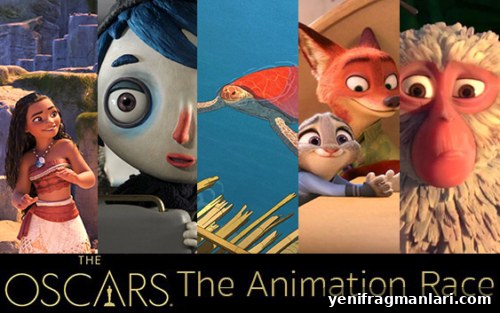
Each year the Oscars celebrate the craft and creativity behind animated films, and the winner in the Best Animated Film category often becomes a defining work of its era. This year’s shortlist brings together a variety of approaches to animation: two Disney features, a dialogue-free collaboration with Studio Ghibli, and two accomplished stop-motion films. Below we outline each nominee, what sets it apart, and why they stand out in the animation landscape.
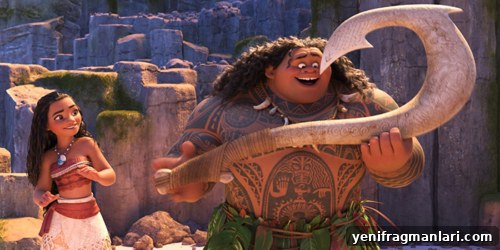
Moana
Directed by: Ron Clements, Don Hall, John Musker & Chris Williams
Moana draws on Polynesian mythology to tell the story of a young chief’s daughter who is irresistibly drawn to the sea. When a mysterious darkness threatens her island, she defies her father’s wishes and sets off on a voyage to find the demigod Maui, brought vividly to life by Dwayne Johnson’s performance. Visually, the film is a rich, colorful showcase of modern Disney animation. What truly elevates Moana, however, is its music. With songs by Lin-Manuel Miranda, the soundtrack adds catchy, emotional layers that push the narrative beyond a standard adventure. At its heart, Moana is a heartfelt coming-of-age tale about identity, courage, and the bonds between people and place—an engaging, modern addition to the Disney canon.
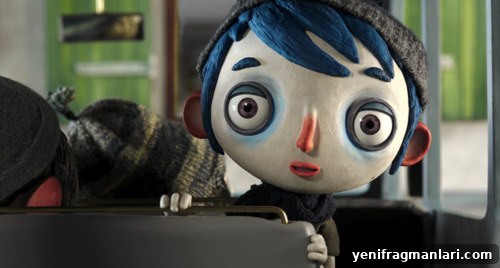
My Life as a Courgette (My Life as a Zucchini)
Directed by: Claude Barras
This French stop-motion feature centers on a nine-year-old boy nicknamed Courgette, who is placed in a foster home after his mother disappears. The film follows his awkward, tender efforts to find belonging among other children and the compassionate adults who try to support them. In a compact runtime, My Life as a Courgette captures complex emotions with remarkable clarity: grief, trust, humor, and the slow rebuilding of a life. The decision to use child voice actors adds authenticity, allowing moments of vulnerability and spontaneity to land naturally. Gentle, funny, and deeply humane, the film treats its young characters with respect and avoids sentimental clichés while celebrating the resilience found in unexpected places.
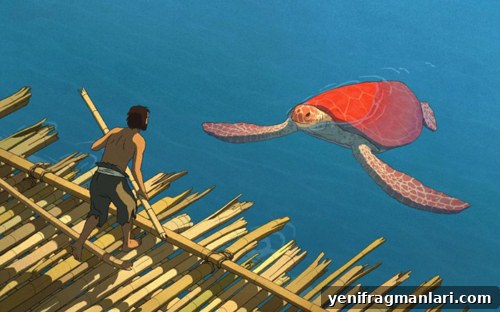
The Red Turtle
Directed by: Michael Dudok de Wit
A collaboration between a French production company and Studio Ghibli, The Red Turtle is a dialogue-free meditation on a man’s life after he is stranded on a deserted island. The narrative follows his attempts to leave, repeatedly thwarted by a mysterious red turtle, and then traces the emotional arc of his years on the island. The film’s minimalist storytelling relies on expressive animation, sound design, and visual poetry to convey themes about human connection, nature, and the passage of time. Its spare, deliberate imagery recalls classic hand-drawn animation and highlights the director’s skill in blending wonder with quiet introspection. The Red Turtle is both a visual feast and a contemplative work that explores how people relate to their environment and to one another.
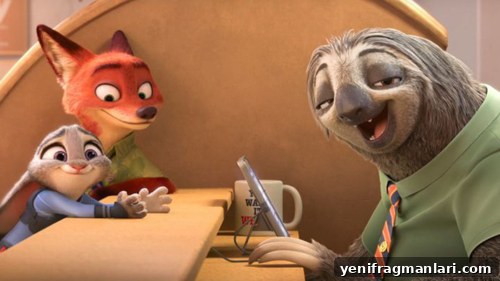
Zootopia
Directed by: Byron Howard and Rich Moore
Zootopia tells the story of Judy Hopps, a rabbit who leaves her small hometown to become a police officer in the bustling, diverse metropolis of Zootopia. When she investigates a string of disappearances, she teams up with Nick Wilde, a sly fox, and together they uncover a deeper conspiracy. The film stands out for blending sharp social commentary with broad comedic appeal: it addresses issues of prejudice and stereotyping while maintaining brisk pacing, clever worldbuilding, and memorable characters. Zootopia manages to be both entertaining for children and thought-provoking for adults, using humor and smart storytelling to explore complex themes without losing sight of fun and accessibility.
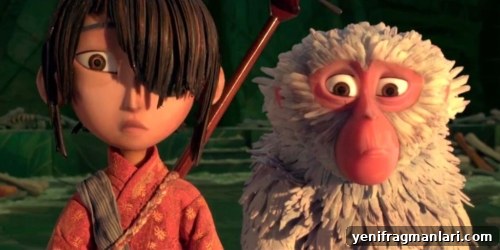
Kubo and the Two Strings
Directed by: Travis Knight
Kubo and the Two Strings is a triumph of contemporary stop-motion, centering on a young boy named Kubo who must brave supernatural forces to uncover a powerful family legacy. What begins as a quest to recover a magical suit of armor becomes an emotional exploration of memory, loss, and storytelling. The film combines daring action sequences, intricate puppetry, and inventive visual effects, producing sequences that feel both epic and intimately human. Kubo’s journey is propelled by themes of memory and identity, and the film’s willingness to confront darker emotional material sets it apart from more conventional family fare. Praised for its artistry and ambition, Kubo raises the bar for what stop-motion animation can achieve.
Each of these films brings a distinct artistic voice to the animation field: from large-scale studio musicals and socially aware family entertainment to intimate stop-motion and silent, poetic storytelling. Together they demonstrate the breadth of contemporary animation, where diverse techniques and thoughtful themes continue to expand what animated cinema can express.