

Christmas movies are a cornerstone of the holiday season, and few modern animated films capture the spirit of the holidays as beautifully as Klaus. Released in 2019, Klaus is a Netflix-distributed animated feature directed by Spanish filmmaker Sergio Pablos and produced by Sergio Pablos Animation Studios. The film features voice performances by Jason Schwartzman, Joan Cusack and J.K. Simmons. Klaus follows the journey of Jesper (Schwartzman), a privileged postman sent to a remote island where no one sends letters; his unexpected friendship with a solitary woodsman (Simmons); and how their efforts—delivering gifts and restoring hope—transform a bitter, feud-scarred town into a place of warmth and generosity. The film was nominated for Best Animated Feature at the 2020 Academy Awards and won the same honor at the 2020 BAFTAs.
Below are five reasons why Klaus (2019) stands out as an exceptional Christmas animated film.
1. Distinctive, Layered Animation
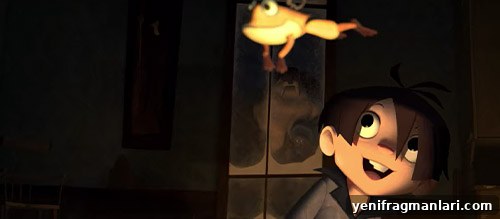
In an era dominated by 3D studio productions, Klaus refreshes the landscape by blending traditional 2D hand-drawn techniques with subtle 3D lighting and camera work. This hybrid approach gives the film depth while preserving the charm and tactile quality of classic animation. The visual design of Smeerensburg draws on elements of German Expressionism—angular architecture, exaggerated silhouettes and dramatic contrasts—which enhances the film’s moody opening and makes the town’s eventual thaw feel visually earned.
Color plays a deliberate narrative role. Smeerensburg begins in muted greys and cold tones; as acts of kindness spread, warmer hues appear, reinforcing the emotional arc without relying solely on dialogue. The animation choices consistently support the story’s emotional beats, making the visuals an active participant in the film’s themes rather than a neutral backdrop.
2. A Fresh, Heartfelt Origin Story for Santa
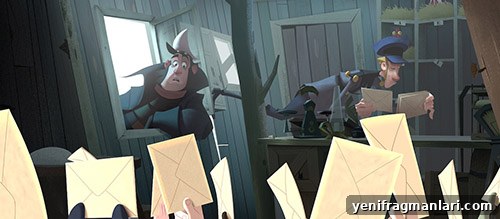
Santas’ origins have been revisited countless times in books and films, yet Klaus offers a surprisingly original and emotionally resonant take. The film explains why Klaus the craftsman makes toys in a way that’s both moving and sincere, while Jesper’s comedic misadventures delivering presents provide lighter moments that balance the drama.
Importantly, the story gives credit to postal workers and the role of communication and connection during the holidays—framing the act of delivering letters and parcels as a catalyst for community change. The film preserves the wonder of Father Christmas while grounding the legend in human relationships and small, everyday acts of generosity.
3. Respectful Representation of Saami Culture
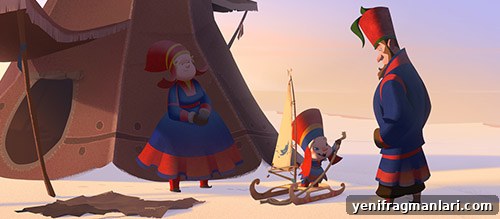
Many popular depictions of Santa and the Arctic have eroded or overlooked Indigenous presence. Klaus takes a more thoughtful approach by including Saami characters who are portrayed with cultural specificity and respect. The Saami community in the film appears joyful, generous and vividly characterized: they speak their language and wear traditional garments, and their presence helps ground the story in a more realistic northern setting.
Equally important, the film uses authentic voices from Finno-Ugric backgrounds for these roles, avoiding the all-too-common pitfall of cultural misrepresentation. This inclusion enriches the film and acknowledges the real people who have lived in these regions for generations.
4. Well-Developed Character Arcs
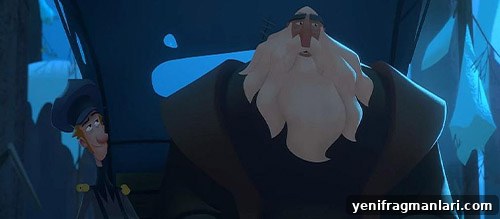
Klaus succeeds where many family films falter: it gives its characters believable, complete arcs. Jesper begins as a self-centered, entitled young man and grows into a caring, responsible postman because he experiences the ripple effect of kindness. Klaus himself transforms from a reclusive craftsman grieving alone into a warm, generous figure whose joy returns through friendship and purpose.
The town of Smeerensburg provides some of the film’s most satisfying development. Its residents gradually move from hatred and suspicion to cooperation and compassion, driven by a chain reaction of selfless acts. Each change feels motivated and earned, reinforcing the film’s core message: generosity inspires generosity.
5. Authentic, Unforced Relationships

Children’s films often default to simplistic love stories, but Klaus treats its relationships with maturity and restraint. The love between Klaus and Lydia is tender and sincere, and although the film does not linger on every detail of their courtship, it honors their bond genuinely. The central relationship between Jesper and Alva develops naturally through shared challenges, mutual support and meaningful time together—an example of a healthy partnership built on respect rather than instant attraction.
By avoiding contrived romance and focusing on emotional truth, Klaus offers positive examples for younger viewers about how caring relationships actually grow.
Released in 2019, Klaus has quickly earned a spot among modern holiday favorites. Its unique visual style, emotional storytelling, thoughtful representation and believable character growth make it a film that can be revisited year after year. Whether you’re watching for the animation, the fresh take on Santa’s origins, or the warmth that spreads through its characters and communities, Klaus remains a moving and memorable Christmas film.
What moments from Klaus are your favorites? Share your thoughts and continue the conversation about holiday films and animation.