
Luca (2021)
Director: Enrico Casarosa
Screenwriters: Enrico Casarosa, Simon Stephenson, Jesse Andrews, Mike Jones
Starring: Jacob Tremblay, Jack Dylan Grazer, Emma Berman, Saverio Raimondo, Marco Barricelli, Maya Rudolph, Jim Gaffigan, Peter Sohn, Sandy Martin, Sacha Baron Cohen
Pixar returns with one of its sunniest, most carefree films in years. Luca leans into a warm, summery tone rather than heavy metaphysical inquiry; it may not reach the philosophical heights of Pete Docter’s work or the long-term perfection of the Toy Story saga, but it stands out as a beautiful, heartfelt piece of animation. As a family-friendly coming-of-age and friendship story set against a vividly rendered Mediterranean backdrop, the film showcases Enrico Casarosa’s gift for character-driven visuals and small, resonant moments.
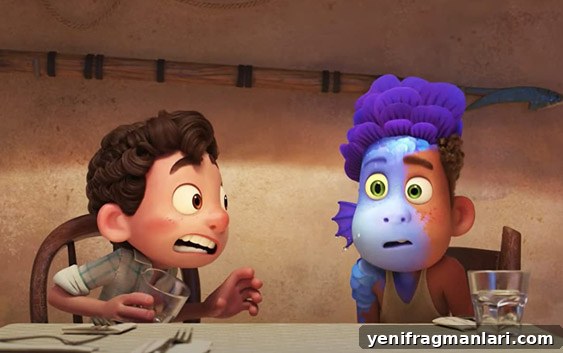
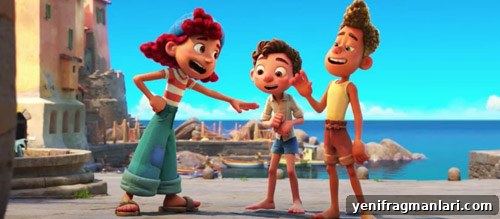
The story follows Luca, a young sea creature voiced by Jacob Tremblay, who spends his days tending an underwater farm while dreaming of the surface world. His life changes when he meets the adventurous Alberto (Jack Dylan Grazer), another sea-born boy who ventures above the waves disguised as a human. Together they tinker to build a Vespa from flotsam and eventually arrive in the tranquil fishing town of Porto Rosso. There they befriend Giulia (Emma Berman), an intelligent and curious local girl, and the three form a tight bond as they prepare to enter and win the town’s triathlon—while hiding their true nature from suspicious townsfolk.
The film wears its influences on its sleeve. Studio Ghibli’s atmosphere—particularly the seaside charm and the wonder of world-discovery—resonates throughout. Scenes such as Luca’s first glimpse above the water and the imaginative sequences where everyday objects take on magical life echo that gentle, childlike fascination found in films like Ponyo and Porco Rosso. Casarosa also brings a strong visual imagination to sequences where fantasy and reality blur: luminous underwater daydreams, a Vespa flight through a watery fantasia, and playful cosmic glimpses that nod to the director’s earlier short film La Luna.
Food, and the sensory pleasures of it, play a joyful role in the animation. The Porto Rosso triathlon alternates between swimming, cycling, and—delightfully—fast pasta-eating, a choice that lets the story highlight both the characters’ limitations and their resourcefulness. Casarosa paints Porto Rosso with affectionate stereotypes: sleepy evenings, simple but delicious meals, warm social rhythms and a palette that makes you crave pesto-dressed linguine and fresh bread. The film’s food animation is particularly effective, making meals feel tactile and alive.
The movie also briefly touches on environmental concerns without heavy-handedness. Luca’s parents, voiced by Maya Rudolph and Jim Gaffigan, fear the threat of noisy motorised fishing boats encroaching on their home, and a tense subplot involves Luca’s angler-fish uncle Ugo (Sacha Baron Cohen), who wants to exile him to the deep sea for safety. That parental caution drives part of the film’s emotional stakes, and when Luca’s family pursues him to the surface, the resulting confrontation provides a sharper note of conflict in an otherwise breezy narrative.
Humor plays a steady supporting role. The film uses small, absurd gags—sheep-like shoals of fish that bleat, family members with quirky sea-creature ailments, and classic slapstick—to keep the tone light and approachable. These moments help balance the film’s quieter emotions and ensure there’s plenty for younger viewers to enjoy while giving adults gentle reasons to smile.
At its heart, Luca is a story about friendship, belonging and growing courage. Luca, Alberto and Giulia are each outsiders in their own way: Luca longs to explore beyond what his family allows, Alberto craves a stable connection where a father appears absent, and Giulia seeks peers who share her curiosity. The antagonist, the boastful Ercole, provides a foil for the trio, while Giulia’s father Massimo—born with one arm—is a warmly written, capable figure who challenges assumptions about ability and toughness.
The strongest element is the film’s honest portrayal of friendship. The bond that forms between Luca, Alberto and Giulia feels earned and tender; they push and protect one another, and they grow together. A memorable motif Alberto invents—“Silencio Bruno”—becomes a small, empowering mantra that helps Luca silence his doubts and take risks. It’s the kind of light, practical wisdom that lingers after the credits roll.
Luca doesn’t attempt to be epic or revelatory. Instead it offers a modest, beautifully realized tale about two sea monsters discovering a larger world, finding friends, eating pasta and learning to embrace themselves. For viewers seeking a gentle, well-crafted animated film full of color, warmth and genuine heart, Luca is a delightful summer escape.
19/24