
When they first arrived in cinemas, High-Rise and Snowpiercer could be read as extravagant, sometimes excessive takes on class conflict—stylised parables that favored bold visuals and theatrical performances over straightforward storytelling. Each film also represented an unusual turn for its director: Ben Wheatley adapting J.G. Ballard into a claustrophobic tower-block fable, and Bong Joon-ho delivering a high-concept dystopia aboard a relentlessly moving train. In 2021, after a year of lockdowns and heightened awareness of social inequality, both films feel eerily prescient. The images of contained societies, rigid hierarchies and starkly different lives lived meters apart now resonate more sharply than when these movies were first seen.
In High-Rise, Tom Hiddleston’s Dr Robert Laing arrives at a gleaming new residence: modern, immaculate, and strangely devoid of individuality. The building’s surface-level conveniences mask deeper divisions. A neighbour remarks — in words that could stand for either film — that the tower “is nowhere near as homogenous as you might think.” That hidden fragmentation drives Wheatley’s satire, which exposes how architectural design and social engineering can mask and magnify class differences.
Snowpiercer announces its social order more openly. Tilda Swinton’s Minister Mason opens her scenes by preaching to the train’s impoverished tail section, insisting that every passenger “remain in our allotted station” and “occupy our preordained particular position.” The speech crystallises the film’s theme: a manufactured permanence to social roles, enforced by ideology and violence. That rhetoric about fixed places—about who belongs where and why—echoes through both films and into broader cultural conversations about mobility, access and control.
Snowpiercer stages the world’s collapse as the literal boarding pass that determined who survived: the wealthy secured front-of-train luxuries—saunas, clubs, restaurants and classrooms—while the tail-enders endured freezing, hunger and overcrowding. The film’s rebellion begins when Chris Evans’s Curtis notices practical weaknesses in the system—timings of doors during supply runs, the apparent reluctance of armed guards to use their weapons—and realises the regime may not be as invincible as it seems. The revelation that uprisings have sometimes been tacitly allowed or orchestrated by those in power as a form of population control is one of the film’s darker ironies, forcing viewers to confront uncomfortable parallels with real-world policies and the ethics of sacrifice in crises.
High-Rise also explores resource control, but within a different geometry. Food, water, electricity and even alcohol become markers of status inside the tower. The lower residents might theoretically leave the building, but to do so would mean abandoning a known world and starting over—an option that exposes how dependency and inertia help sustain inequality. The building itself becomes a microcosm of society: vertical separation translating into social immobility.
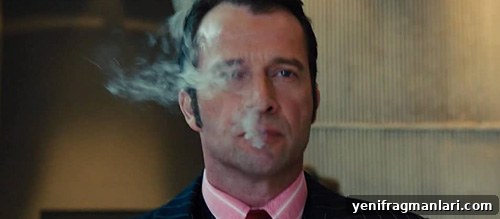
Both films favour heightened, emblematic imagery and villains who speak in slogans and deliver grandiose, performative tirades. High-Rise’s Pangbourne—played with venomous relish by James Purefoy—reads as a caricature of decadent entitlement, more Monty Python pastiche than realistic portrait, yet unsettling in his cruelty. In Snowpiercer, Mason’s exaggerated appearance and clipped speech combine to make her a grotesque icon of authoritarian maintenance; she personifies the mechanisms that make inequality look natural and permanent.
Viewed today, High-Rise and Snowpiercer feel less like curiosities and more like warnings. Their directors anticipated social tensions and packaged sharp political commentary within striking genre trappings. Both films ask uncomfortable questions about who gets to control resources, how elites justify their dominance, and what people are willing to do to survive or to resist. Rather than offering tidy solutions, they hold up mirrors to systems that can entrench privilege and manufacture consent.
As restrictions ease and public life resumes, these films remain useful as provocation. They remind viewers to examine claims about “natural” social order and the language used to normalise inequality. Enjoy your freedoms where you have them, but remain vigilant: the stories of a train and a tower are not just entertainment—they are parables about the choices societies make and the places we accept, or refuse, to occupy.