
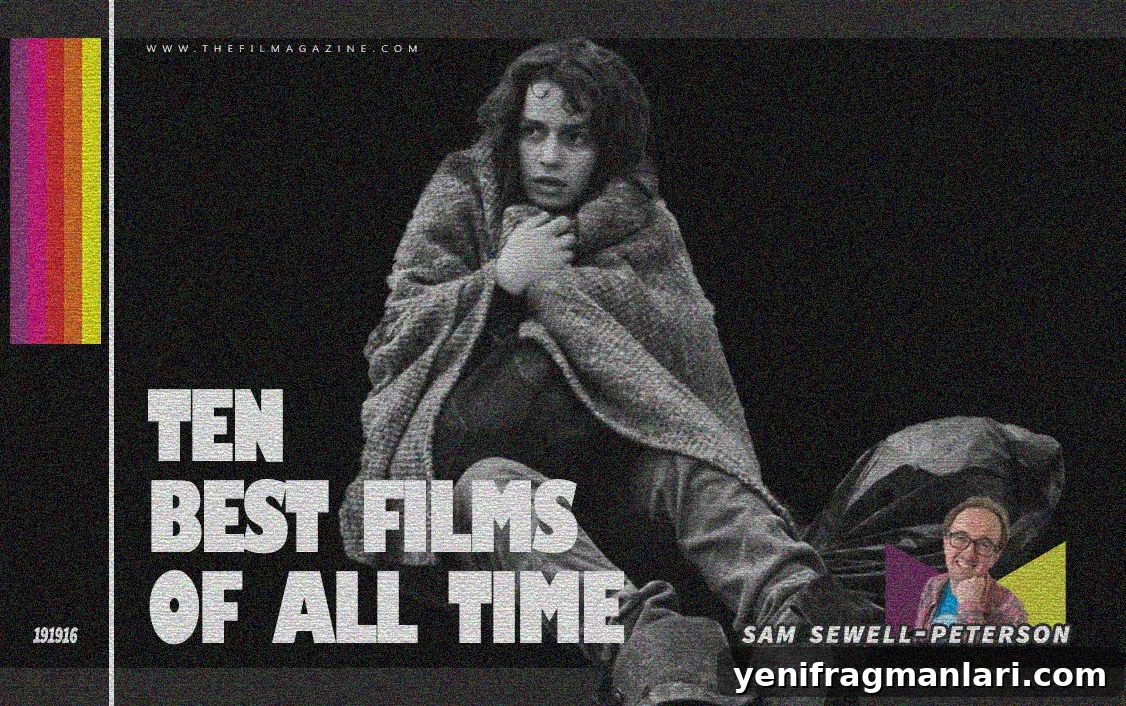
What makes a film one of the true greats? Is it critical praise, technical innovation, or the way a movie lingers in your mind and heart long after the credits roll? Great films usually combine many of these qualities: they speak to us, make us think, and make us feel.
Film has affected me deeply since I was a teenager. It’s almost impossible to pick just ten titles to represent more than a century of cinematic achievement, so the selection below mixes groundbreaking, timeless works with films that have had the greatest personal impact on me today.
Follow me on X (Twitter) – @SSPThinksFilm
10. Spider-Man: Into the Spider-Verse (2018)
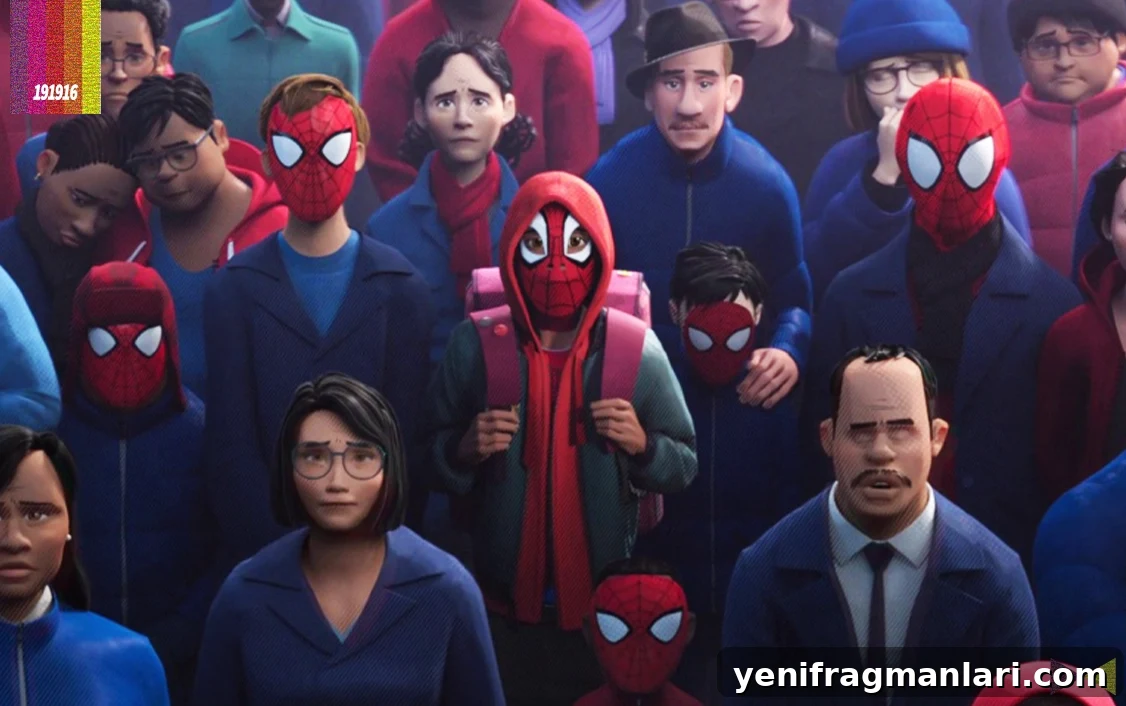
This film satisfies two of my great loves: animation and the superhero genre. Spider-Man: Into the Spider-Verse stands out as one of the most original and influential animated films of recent years.
After being bitten by a radioactive spider, awkward teen Miles Morales (Shameik Moore) is hurled into a multiverse-sized adventure when his universe’s Spider-Man dies. Miles must overcome self-doubt and learn from a chorus of alternate Spider-people to save his own world and others. The film embraces animation’s capacity to visualize the impossible, creating a constantly moving, living comic-book aesthetic full of clever visual gags and layered detail.
Beyond its style, the movie nails the emotional core of Spider-Man with a simple but powerful idea: “anybody can wear the mask.” That line captures the character’s enduring truth: heroism isn’t only about superpowers, it’s about responsibility and the courage to balance ordinary life with extraordinary duty. The film’s diverse cast of Spider-figures—ranging from a biracial teenager to a cartoon pig and a black-and-white detective—reinforces that message in moving, often hilarious ways.
9. The Wizard of Oz (1939)
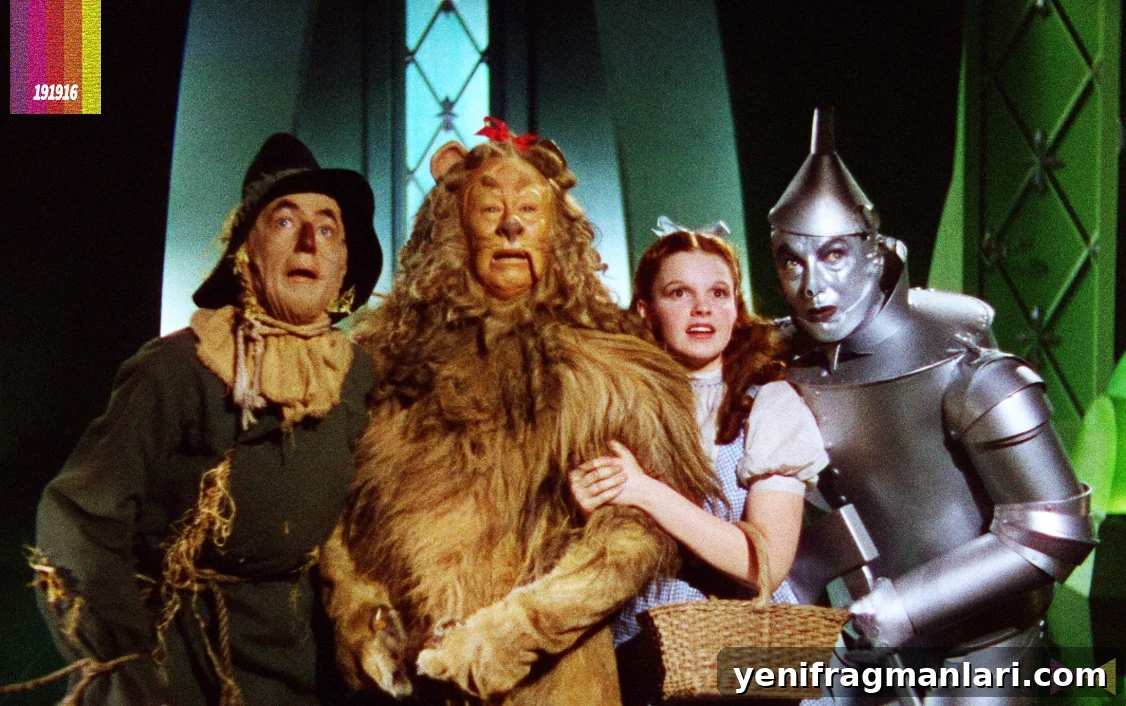
The cultural weight of MGM’s The Wizard of Oz is enormous, yet its influence is often underappreciated. Musicals represent an extroverted form of expression I admire, and Oz exemplifies the power of fantasy on screen.
Loosely adapted from L. Frank Baum’s novel, the film follows Dorothy Gale (Judy Garland) as she is swept from Kansas to the technicolor land of Oz by a tornado. Pursued by the Wicked Witch of the West (Margaret Hamilton), Dorothy seeks a way home with the help of memorable companions. The movie’s separation of sepia-toned reality and vivid Technicolor fantasy remains startling and emotionally effective to this day.
Beyond its visuals, Oz set visual and narrative standards for fantasy storytelling in cinema, influencing staging and design choices in countless subsequent films. Margaret Hamilton’s horrifyingly effective witch and the iconic costume design have left an indelible mark on popular culture.
8. The Silence of the Lambs (1991)
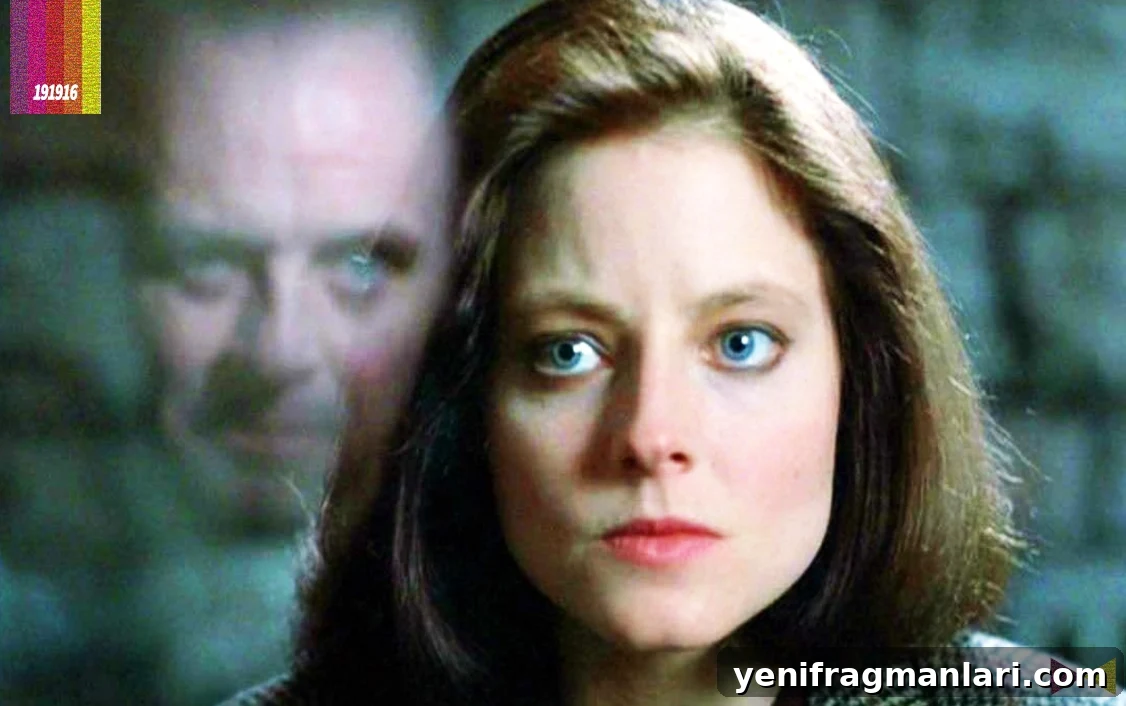
One of the finest novel-to-film adaptations, Jonathan Demme’s The Silence of the Lambs is a study in controlled terror and psychological complexity that retains its power even after multiple viewings.
FBI trainee Clarice Starling (Jodie Foster) seeks help from the incarcerated psychiatrist and cannibalistic killer Hannibal Lecter (Anthony Hopkins) to track a serial murderer known as Buffalo Bill. The film balances procedural tension, character study, and measured horror, and it never relies on gratuitous violence; instead it allows the audience’s imagination to amplify the dread.
Both leads deliver iconic performances: Hopkins’ brief but unforgettable Hannibal and Foster’s layered, determined Clarice. Demme’s direction keeps the viewer aligned with Clarice’s perspective, which makes the film’s shocks and moral ambiguities hit harder.
7. Rear Window (1954)
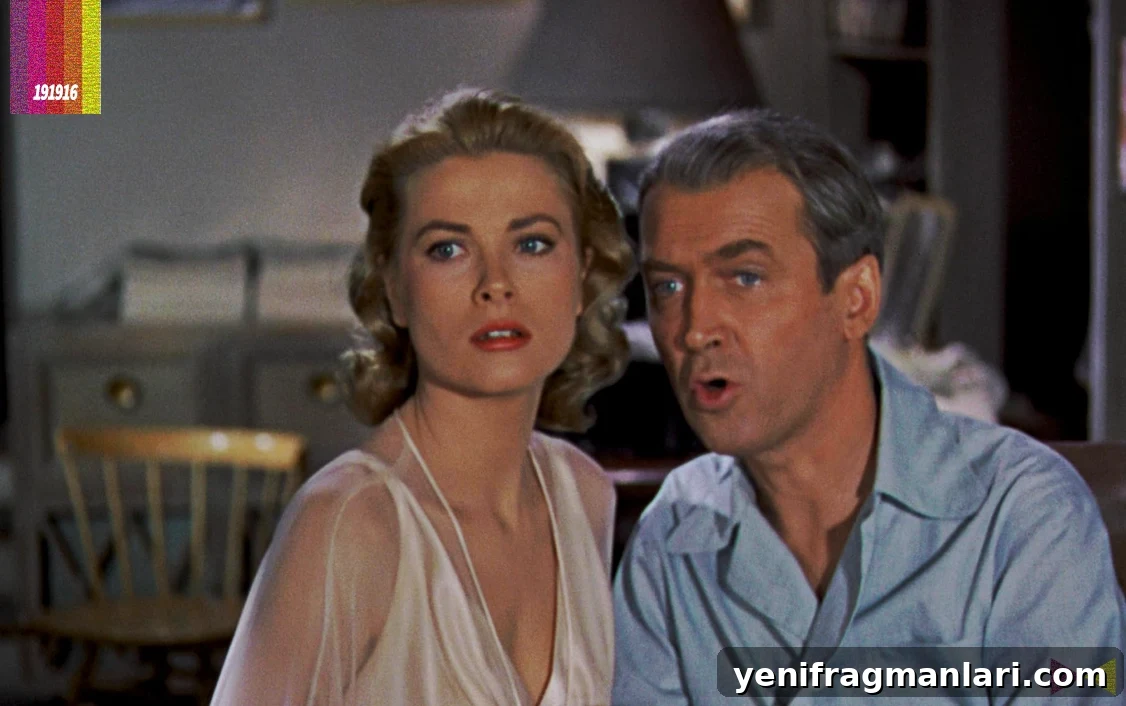
At its essence cinema is about looking. Alfred Hitchcock’s Rear Window is perhaps the definitive film about voyeurism—both the thrill and the moral risk of watching others.
L.B. Jeffries (James Stewart), a photographer confined to a wheelchair, suspects a neighbor of murder and enlists his socialite girlfriend Lisa (Grace Kelly) to help investigate through the limited view of his apartment window. The film turns the apartment block into a stage of overlapping human dramas and uses its narrow visual frame to create mounting suspense. Grace Kelly’s presence and chemistry with Stewart heighten the film’s emotional stakes, while Hitchcock’s meticulous staging and the film’s sweltering, claustrophobic atmosphere make every scene pulse with tension.
6. Pan’s Labyrinth (2006)
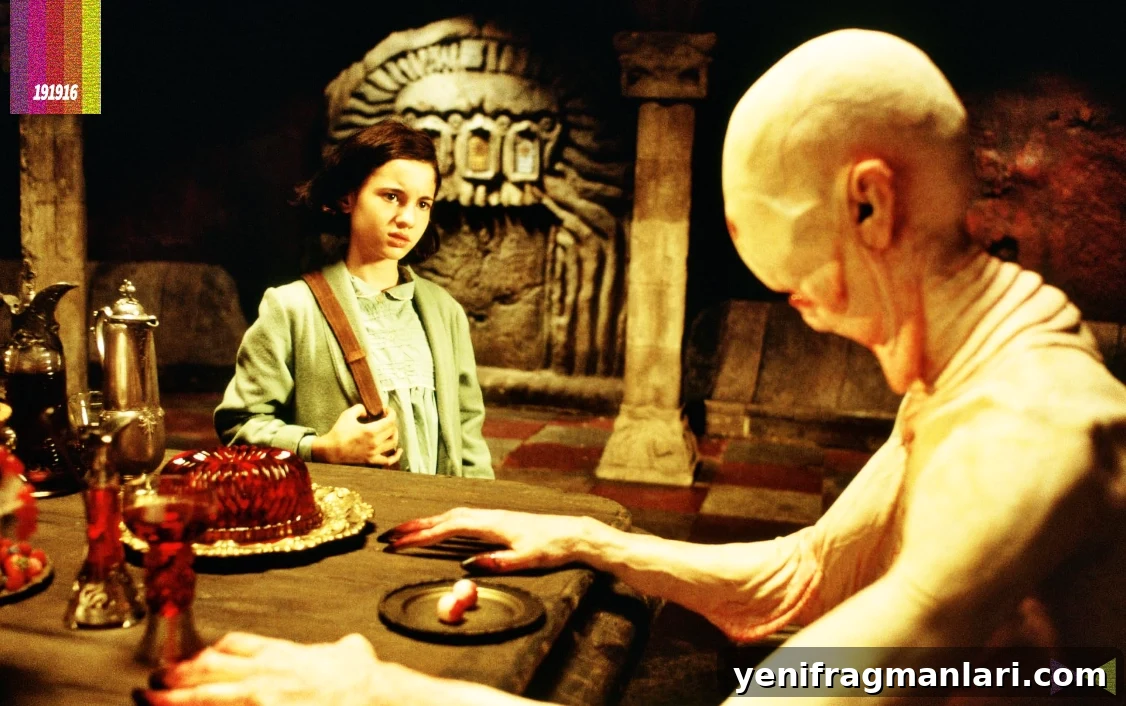
Guillermo del Toro’s Pan’s Labyrinth blends dark fairy tale and brutal historical reality into a haunting, unforgettable fable. The film remains a triumph of design, storytelling, and emotional depth.
Set during the Spanish Civil War, ten-year-old Ofelia (Ivana Baquero) encounters a faun who tells her she is a lost princess and must complete three tasks to reclaim her throne. Del Toro balances childlike wonder and visceral horror, with creatures like the Pale Man and the Faun brought to life through extraordinary prosthetics, costumes, and performances. The film’s bittersweet ambiguity—did Ofelia truly escape into magic, or did she die—gives it tragic power.
5. Casablanca (1942)
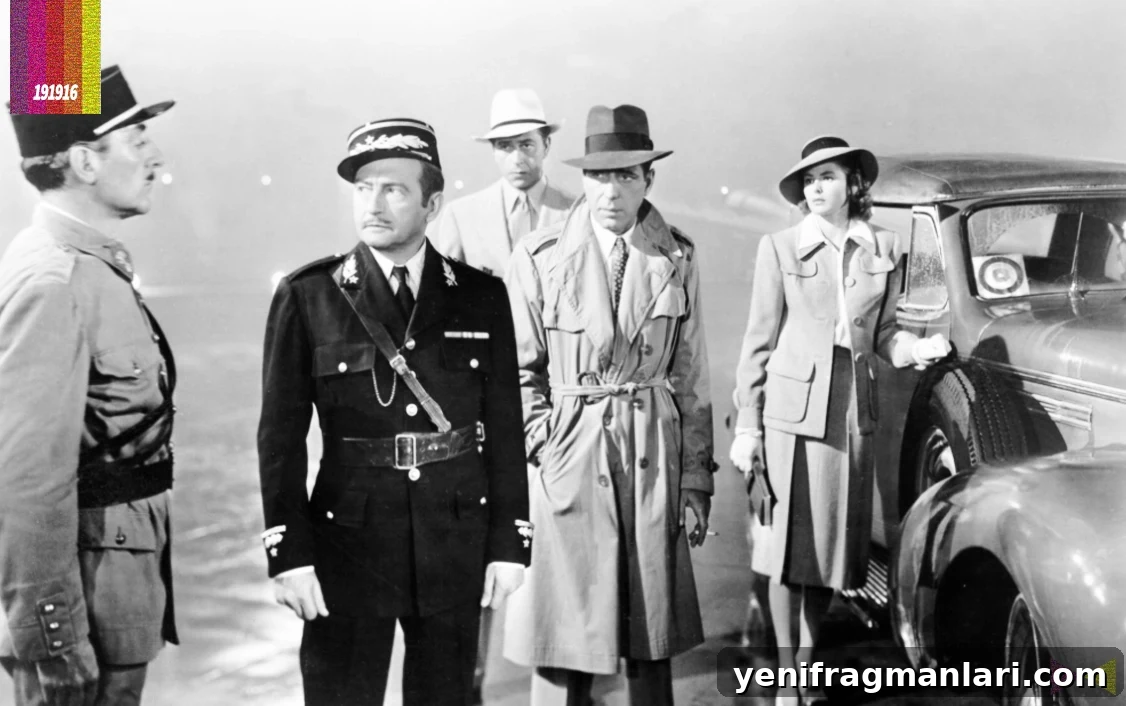
Casablanca remains one of cinema’s most complete achievements: a near-perfect script, stellar casting, and a directorial hand that knows exactly how to balance romance, political urgency, and comic relief.
Humphrey Bogart’s Rick Blaine runs a nightclub in Vichy-controlled Morocco and is forced to confront a past love, Ilsa (Ingrid Bergman), as he helps a resistance leader flee. The film’s emotional ambiguity—the couple’s love that cannot be—gives Casablanca its enduring poignancy, while its depiction of resistance against fascism lends it moral weight.
4. Jaws (1975)
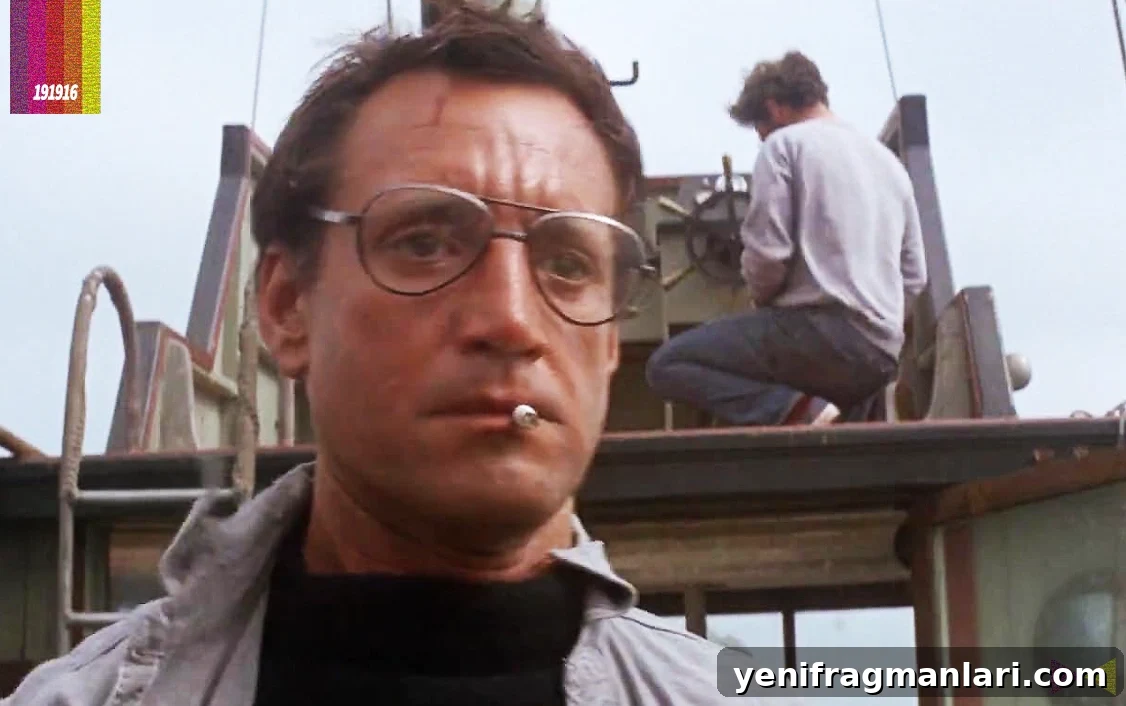
Jaws ushered in the modern summer blockbuster, but what makes it timeless is its character work and its disciplined storytelling. We care about Chief Brody (Roy Scheider), marine biologist Hooper (Richard Dreyfuss), and Quint (Robert Shaw), and that care amplifies the film’s terror when events turn nightmarish.
The mechanical shark’s mechanical failures during production ironically helped the film: more often than not the unseen threat is scarier, and John Williams’ iconic two-note theme is the perfect embodiment of impending danger.
3. Vagabond (1985)
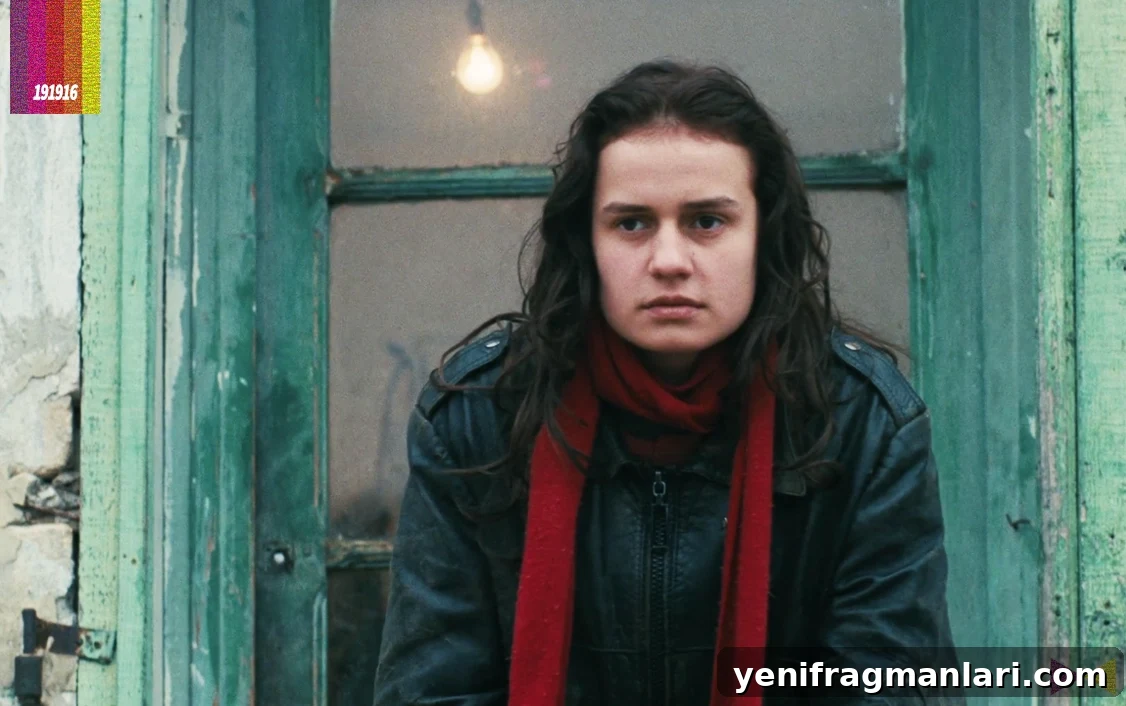
Agnès Varda’s Vagabond is a spare, humane study of a drifting woman’s life. It blends fiction and documentary techniques to create a feeling of lived reality, following Mona (Sandrine Bonnaire) through brief encounters that reveal the kindness, cruelty, and indifference of ordinary people.
Varda’s empathy for everyday lives and her minimal stylistic intrusion let moments breathe, making the film’s quiet tragedies and fleeting compassion all the more affecting.
2. A Matter of Life and Death (1946)
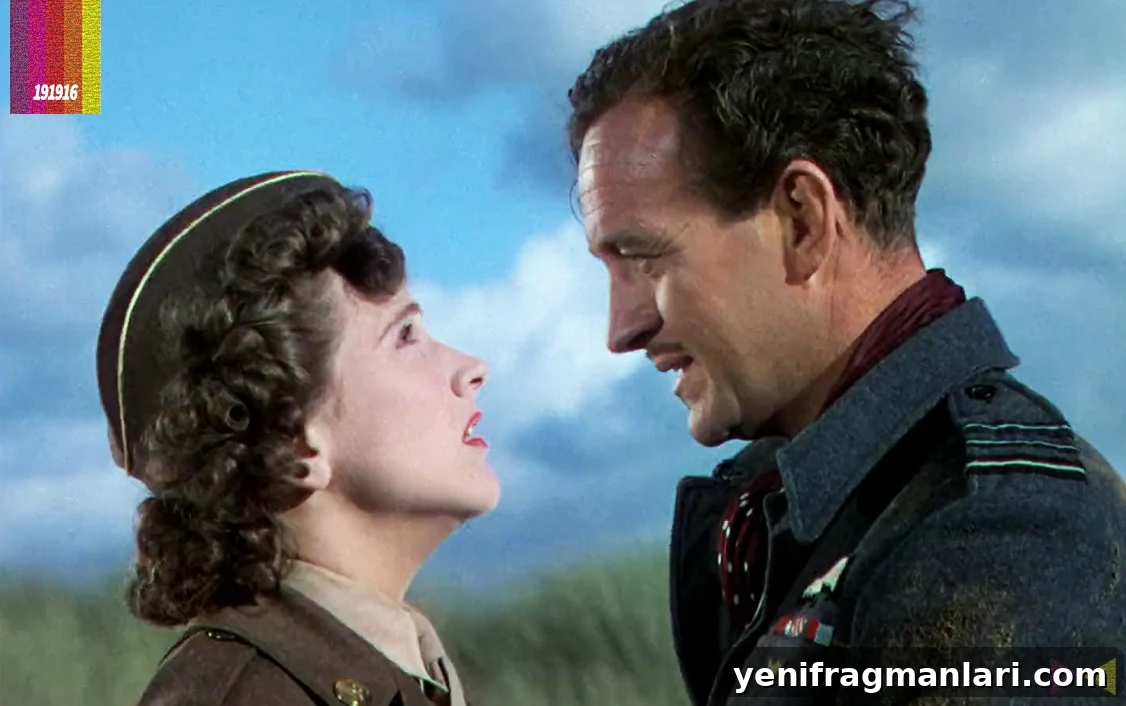
Michael Powell and Emeric Pressburger’s film blends romance, fantasy, and wartime sensibility into a witty, moving meditation on love and fate. Squadron Leader Peter Carter (David Niven) survives being shot down only to face a bureaucratic mix-up in the afterlife that threatens his very existence. The film contrasts monochrome bureaucracy with Technicolor life, arguing—sometimes playfully, sometimes earnestly—for love’s transcendent power.
1. Memories of Murder (2003)
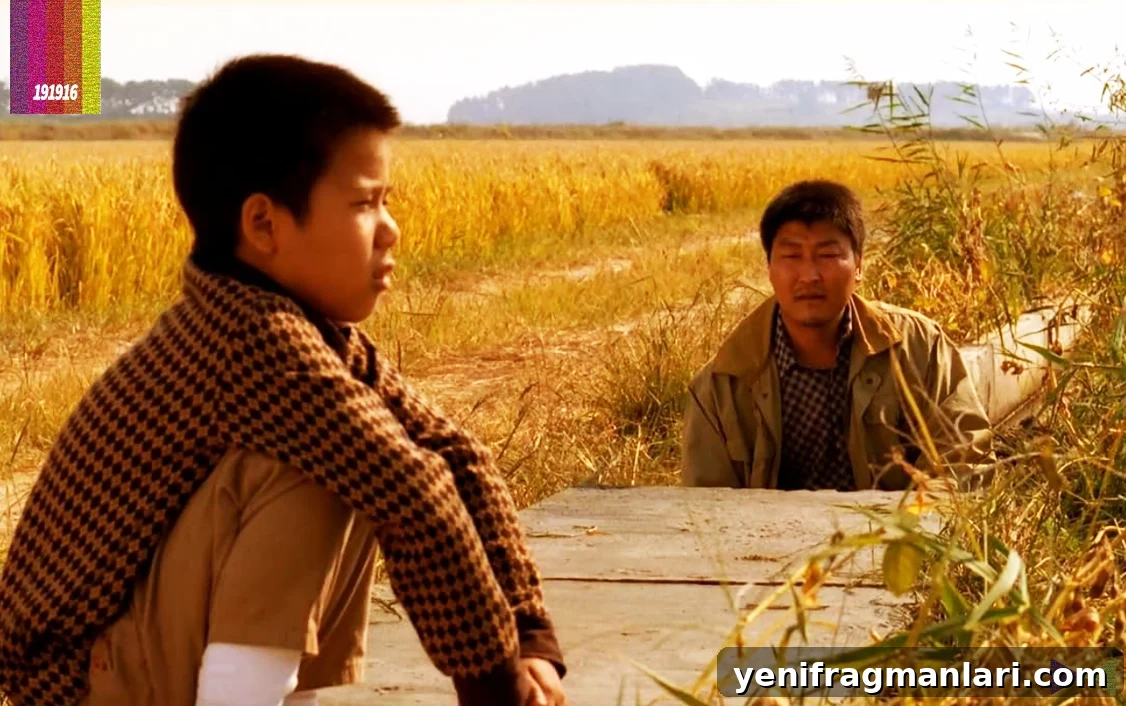
For me, Bong Joon-ho’s Memories of Murder is the greatest film. Made nearly a decade before Bong’s global breakthrough, the film dramatizes a period of social unrest in 1980s Korea through the lens of an unresolved serial killer investigation. Detective Park (Song Kang-ho) and a flawed local police team struggle within an imperfect system as a killer preys on women during rainy nights.
Bong mixes dark humor and horror with surgical precision, making the incompetence and brutality of the police both absurd and appalling. Because the case was a cold one at the time of the film’s production, the story deliberately denies tidy closure, culminating in a final, haunting image: Detective Park staring directly at the camera, searching for an ordinary-looking killer. The ambiguity is devastating and unforgettable.
Any list like this could change from week to week. It pained me to limit the selection: there are many animated masterpieces I love, such as Howl’s Moving Castle, Kubo and the Two Strings, The Iron Giant, Beauty and the Beast, Coco, Mary and Max, and more. I also had to leave out beloved directors and films by Akira Kurosawa, Pedro Almodóvar, Mike Leigh, Wong Kar-wai, Clio Barnard, Paul Verhoeven, Kelly Reichardt, and the Coen brothers. Perhaps I’ll expand this into a Top 100 someday.