
The Super Mario Bros. Movie (2023)
Directors: Michael Jelenic, Aaron Horvath
Screenwriters: Matt Fogel, Shuntaro Furukawa
Starring: Chris Pratt, Anya Taylor-Joy, Charlie Day, Jack Black, Keegan-Michael Key, Seth Rogen
It has been thirty years since Mario’s last major cinematic outing — the live-action Super Mario Bros. film that divided audiences at the time. Given how successful the Super Mario franchise has been in games, it’s surprising it took this long to return to the big screen. Time has softened memories of that earlier adaptation for most viewers, and this new animated version aims to be a clearer, more faithful celebration of Nintendo’s world. The result is visually impressive and often entertaining, but being faithful to the source material does not always translate into a fully satisfying film experience.
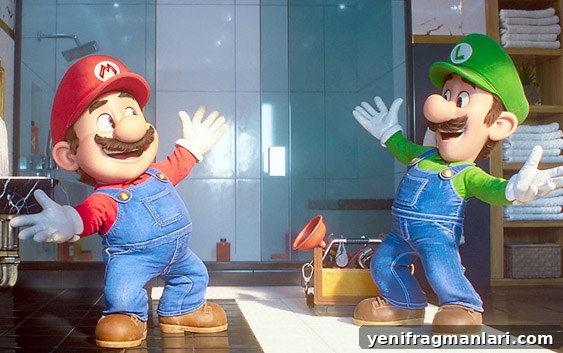
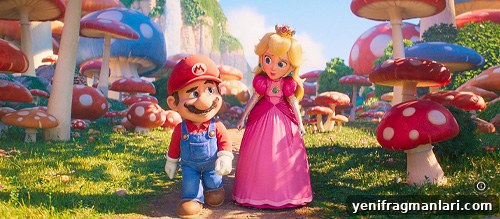
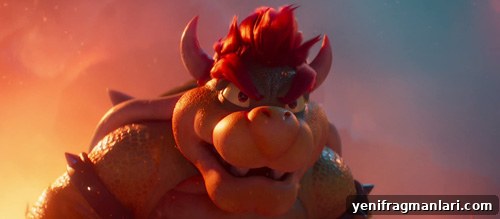
This new adaptation comes from Illumination, the studio behind franchises like Despicable Me and Sing, and its animation team delivers a high-quality aesthetic. For large stretches the film resembles an extended, blockbuster-quality game cutscene: Mario, Luigi, Bowser and many familiar characters are rendered with crisp detail and vibrant color. For fans used to the Nintendo Switch’s gameplay visuals, seeing the Mushroom Kingdom and its inhabitants in such rich detail can feel rewarding. The production design respects the source material while amplifying it for a big-screen audience.
There are hints of creative tension between the Nintendo design language and Illumination’s house style. Background and minor characters sometimes look more like typical Illumination creations than direct matches for Nintendo artwork, creating a slight visual mismatch. It’s a small complaint, because the main characters still read strongly as Mario characters, but the subtle stylistic clash can make the world feel less consistently unified than it might have been. Overall, however, the palette, set pieces and visual energy deliver the kind of spectacle a family-oriented, big-budget Nintendo adaptation promises.
The story opens in familiar territory: Bowser and his Koopa Troop attack a snowy region that evokes the Snow Kingdom from Super Mario Odyssey. Bowser is after a Super Star power-up he believes will help him win Princess Peach’s love. Back on Earth, Mario and Luigi are small-time plumbers trying to build a business. Their lives are depicted in a grounded, mildly heightened fashion as they take on ordinary jobs and dream of bigger things. A leak reported on the local news offers them a chance to make a name for themselves, but an unexpected portal separates the brothers: Mario is pulled into the Mushroom Kingdom, while Luigi ends up in a dimension that resembles the Luigi’s Mansion games.
Toad accompanies Mario to meet Princess Peach and plead for help finding Luigi. This is where the film leans into its more unusual choices. Mario, suddenly a human among non-human characters, is treated as an oddity in the Mushroom Kingdom. Rather than reacting with astonishment, Mario remains earnest and oddly undaunted, which creates a tonal dissonance in scenes that might have benefited from greater emotional contrast. The central conflict escalates when Bowser, already driven by grandiose schemes, becomes consumed by jealous rage over Mario’s proximity to Peach.
One of the film’s weaknesses is its uneven use of Luigi. While the visual cues make clear he’s in a world inspired by his own games, Luigi’s role often feels secondary. Much of the runtime follows Mario and Peach plotting to rescue Luigi while evading Bowser, and Luigi himself largely returns to the story only when required to push the plot forward. This underutilization misses an opportunity to weave the brothers’ parallel experiences into a more emotionally resonant, interlocking narrative.
Nostalgia plays a central part in the film’s appeal. Like many modern video game adaptations, The Super Mario Bros. Movie thrives on callbacks and familiar beats. Fans will recognize numerous references that prompt delighted reactions, and the movie leans on those moments to keep audiences engaged. At times the film mixes in broader pop culture cues and soundtrack choices, but those instances are hit-or-miss and occasionally distract from the franchise-specific music and motifs that might have felt more authentic.
Tone and performance are mixed. Jack Black’s Bowser is a showy, committed turn that injects humor and menace in equal measure; his performance is frequently the movie’s most memorable element. Charlie Day, Seth Rogen and Keegan-Michael Key deliver reliably entertaining supporting roles. By contrast, Chris Pratt’s Mario and Anya Taylor-Joy’s Princess Peach sometimes feel oddly detached. Lines that call for exuberance often land with a muted affect, reducing the emotional lift the script sometimes needs. A livelier vocal approach in a few key scenes could have turned stilted dialogue into delightful character moments.
As a fresh adaptation, the film succeeds at becoming a recognizable, faithful representation of Mario’s world without the oddness of its live-action predecessor. But fidelity alone isn’t enough to guarantee a compelling cinematic experience. The movie looks and sounds impressive in places and provides fans with many enjoyable references, yet it struggles to fully engage viewers who are not already invested in the franchise. The balance between fan service and original storytelling tips too far toward the former, leaving a sense that the film plays it safe rather than breaking new ground.
Score: 9/24
Written by Rob Jones