
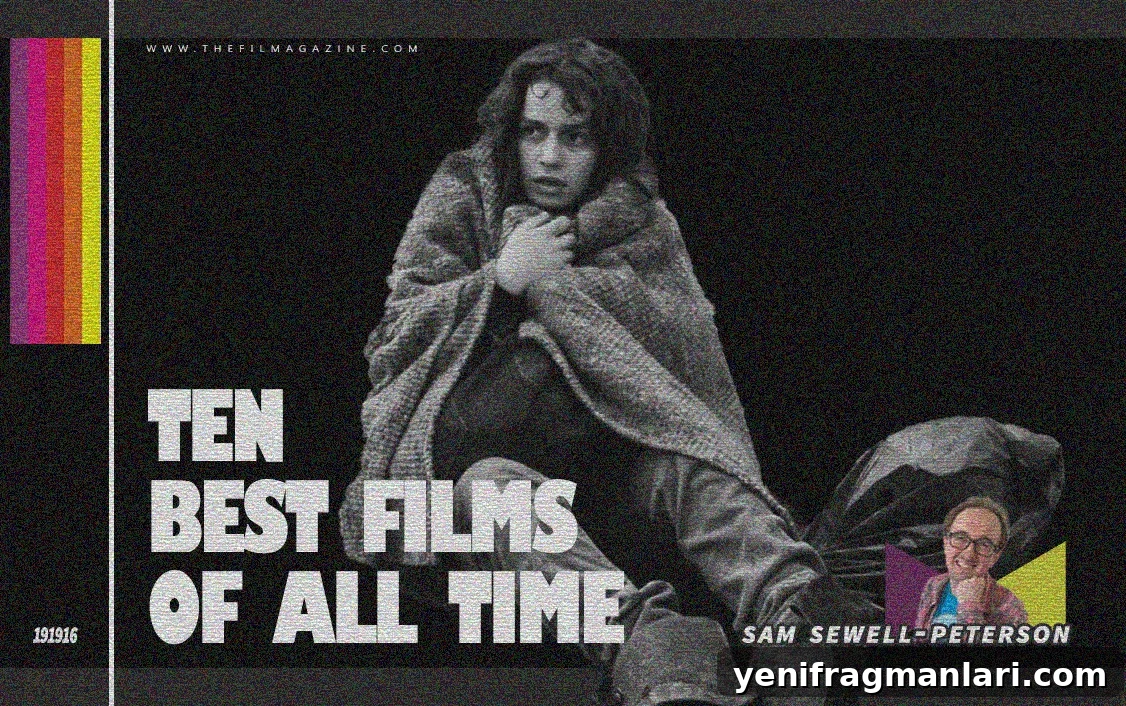
What makes a film one of the true greats? Critical acclaim, technical innovation, emotional impact — usually a blend of all three and more. Great cinema speaks to us, provokes thought, and moves us in ways that stay with us long after the credits roll.
Film has affected me deeply since my teenage years. It’s nearly impossible to pick just ten movies to represent more than a century of this art form, so the list below mixes landmark, influential works with films that have had the greatest personal impact on me today.
Follow me on X (Twitter) – @SSPThinksFilm
10. Spider-Man: Into the Spider-Verse (2018)
Spider-Man: Into the Spider-Verse Review
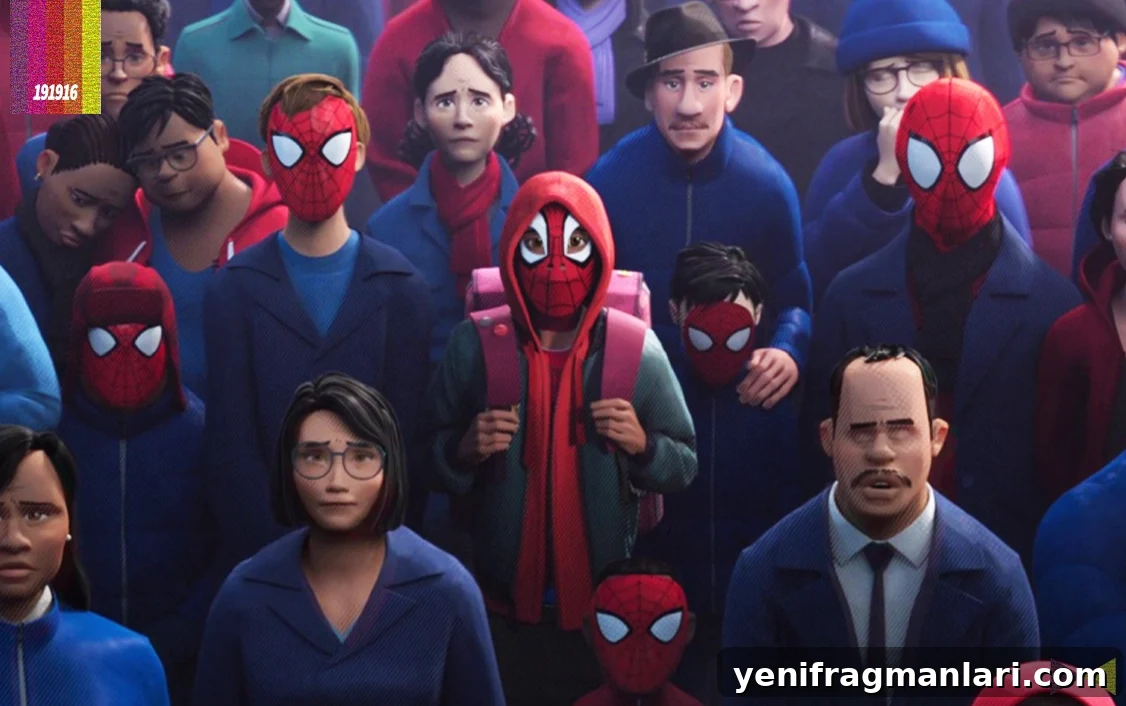
A triumph for both animation and superhero cinema, Spider-Man: Into the Spider-Verse feels fresh and daring. It blends inventive visuals with sincere emotion, giving us a living comic-book aesthetic that still feels cinematic.
Miles Morales, an awkward teen voiced by Shameik Moore, is pulled into the Spider-Verse after his universe’s Spider-Man dies. He must overcome self-doubt and team up with alternate-universe spider-heroes to save his world and others. The movie’s central message — “anybody can wear the mask” — captures Spider-Man’s essence perfectly, making the hero accessible and human.
Beyond its heartfelt story, the film’s visual innovation influenced animation aesthetics across studios. It celebrates variety and identity while delivering kinetic action, clever visual jokes, and moments of genuine warmth.
9. The Wizard of Oz (1939)
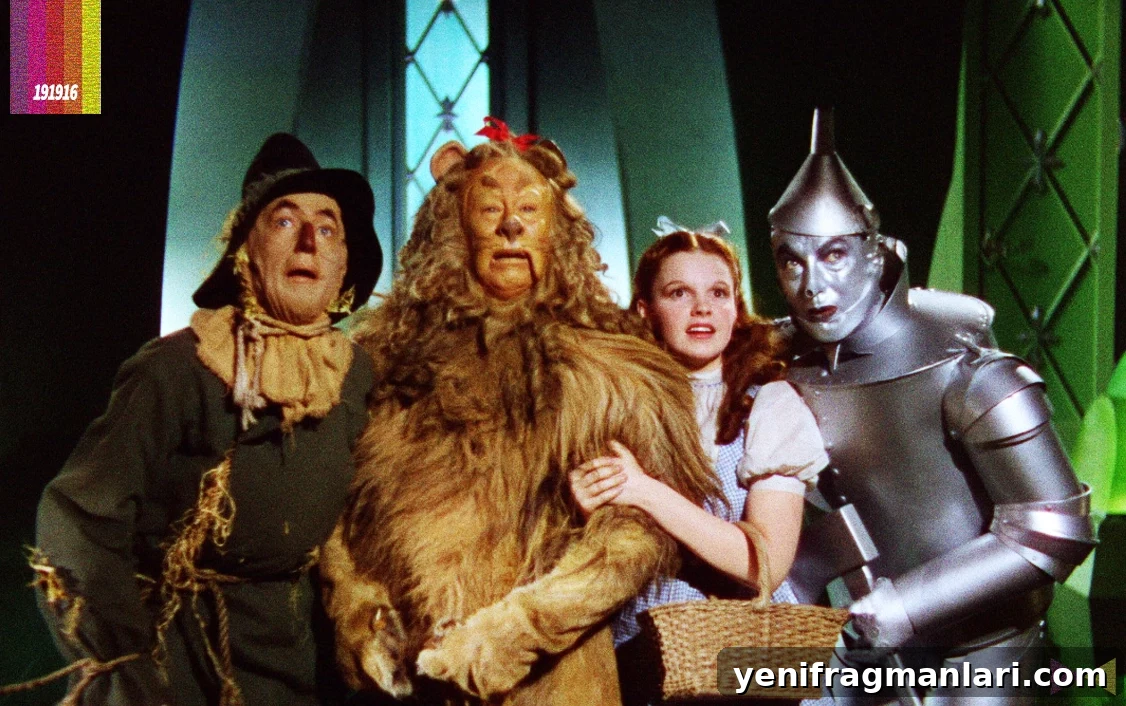
The MGM musical The Wizard of Oz has left a massive cultural imprint. It not only reshaped how musicals were staged but also helped define fantasy cinema for generations.
Judy Garland’s Dorothy is swept from the sepia plains of Kansas into the vibrant, Technicolor land of Oz, where she faces the Wicked Witch of the West and seeks a way home. The film’s dramatic shift from monochrome to color remains a breathtaking cinematic moment.
From costume design to iconic villain imagery, Oz set visual standards that persist in popular culture. Its blend of spectacle, heart, and a touch of menace makes it a cornerstone of American film history.
8. The Silence of the Lambs (1991)
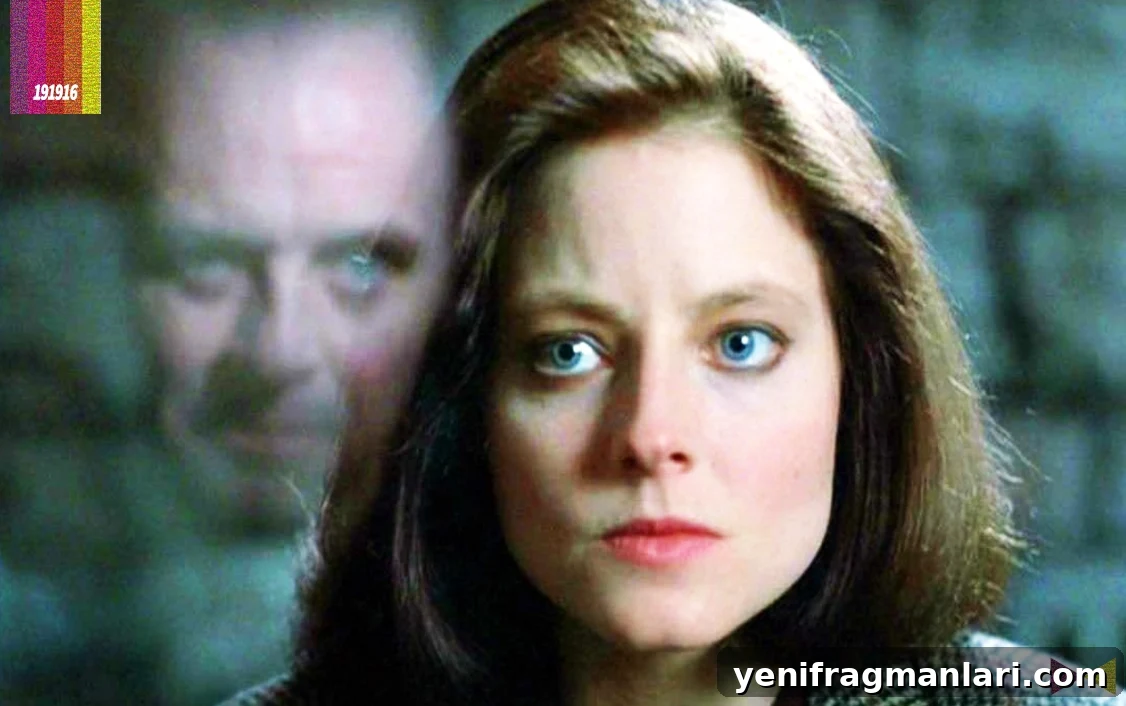
One of cinema’s finest adaptations, The Silence of the Lambs pairs a taut screenplay with chilling performances. It remains powerful and unsettling even after many viewings.
Jodie Foster’s Clarice Starling and Anthony Hopkins’ Hannibal Lecter are iconic opposites: a determined, vulnerable investigator and a cultured, terrifying psychopath. Director Jonathan Demme keeps the camera aligned with Clarice’s point of view, making the audience experience discoveries and shocks alongside her. The film’s restraint — showing less and letting the mind imagine more — heightens its terror and emotional impact.
7. Rear Window (1954)
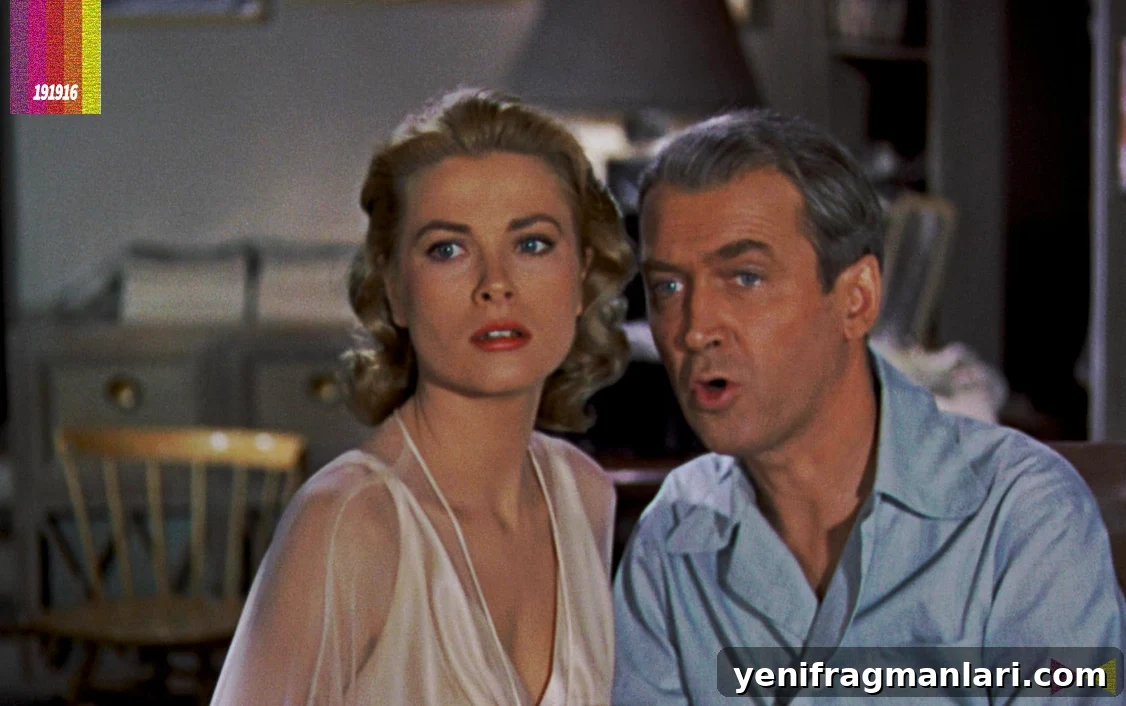
At its heart, film is about looking, and Rear Window is Hitchcock’s master class in voyeurism. Confined to a wheelchair after breaking his leg, James Stewart’s L.B. Jeffries watches the lives of his neighbors unfold and grows convinced a murder has occurred.
Grace Kelly’s Lisa provides glamour and tension, and Hitchcock’s use of a single set — an apartment complex full of small, revealing moments — turns constrained perspective into suspense. The movie explores ethics, curiosity, and the dangerous thrill of watching others, all while delivering expertly staged suspense.
6. Pan’s Labyrinth (2006)
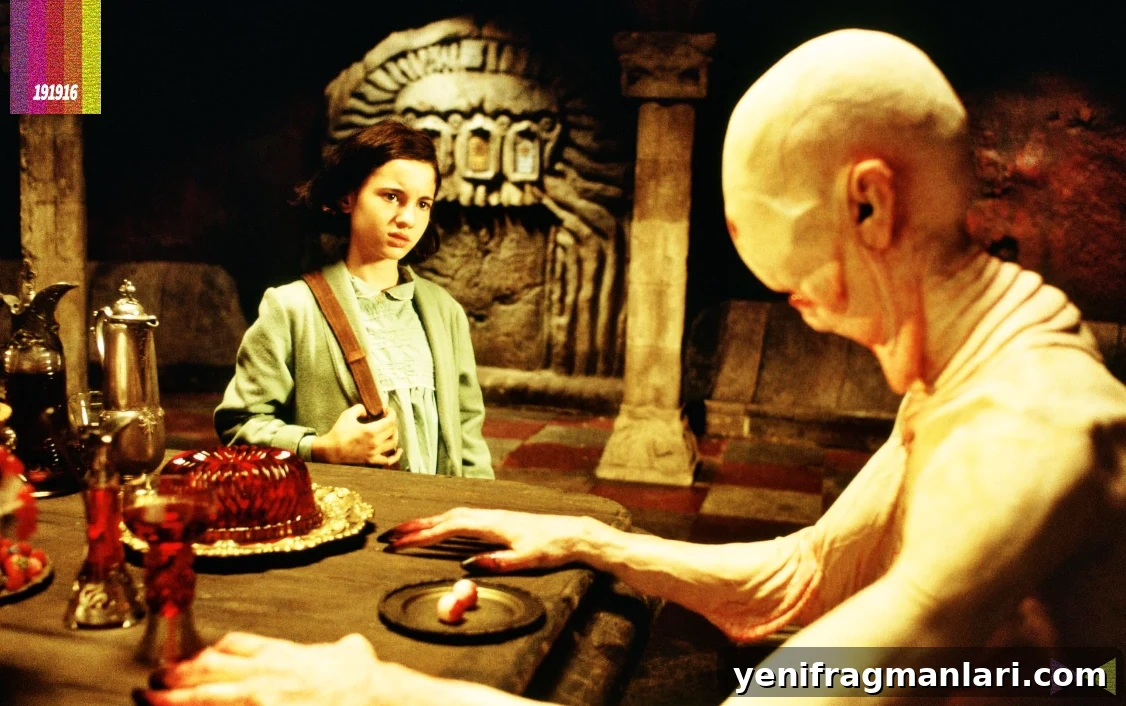
Guillermo del Toro’s Pan’s Labyrinth fuses fairy-tale wonder and horrific reality with a heartbreaking emotional core. Set against the brutality of post–Civil War Spain, the film balances dreamlike escape and grim historical truth.
Ten-year-old Ofelia encounters strange creatures and is tasked by a faun with proving she is the lost princess of an underground realm. Del Toro’s creatures — especially the Pale Man and the Faun — are unforgettable: beautiful, grotesque, and mythic. Practical effects, costumes, and production design create a tactile, uncanny world that complements the film’s human tragedy and leaves a lingering, bittersweet impression.
5. Casablanca (1942)
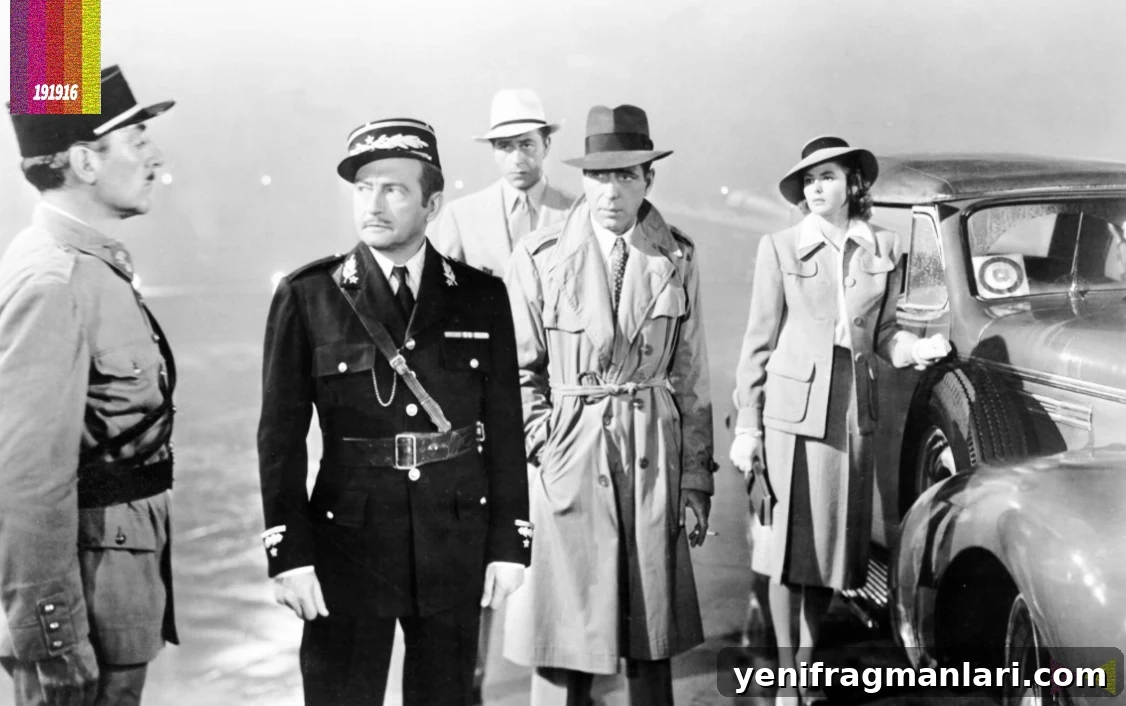
Casablanca combines a near-perfect screenplay, iconic casting, and economical, elegant filmmaking. Set during World War II, it mixes romance, politics, and moral choice into a compact, emotionally resonant drama.
Humphrey Bogart’s Rick and Ingrid Bergman’s Ilsa share a love that must be sacrificed to a greater cause, and the film’s balance of humor and pathos — plus memorable supporting turns — keeps the story sharp and affecting. Casablanca’s quiet moral courage and enduring lines make it one of cinema’s lasting masterpieces.
4. Jaws (1975)
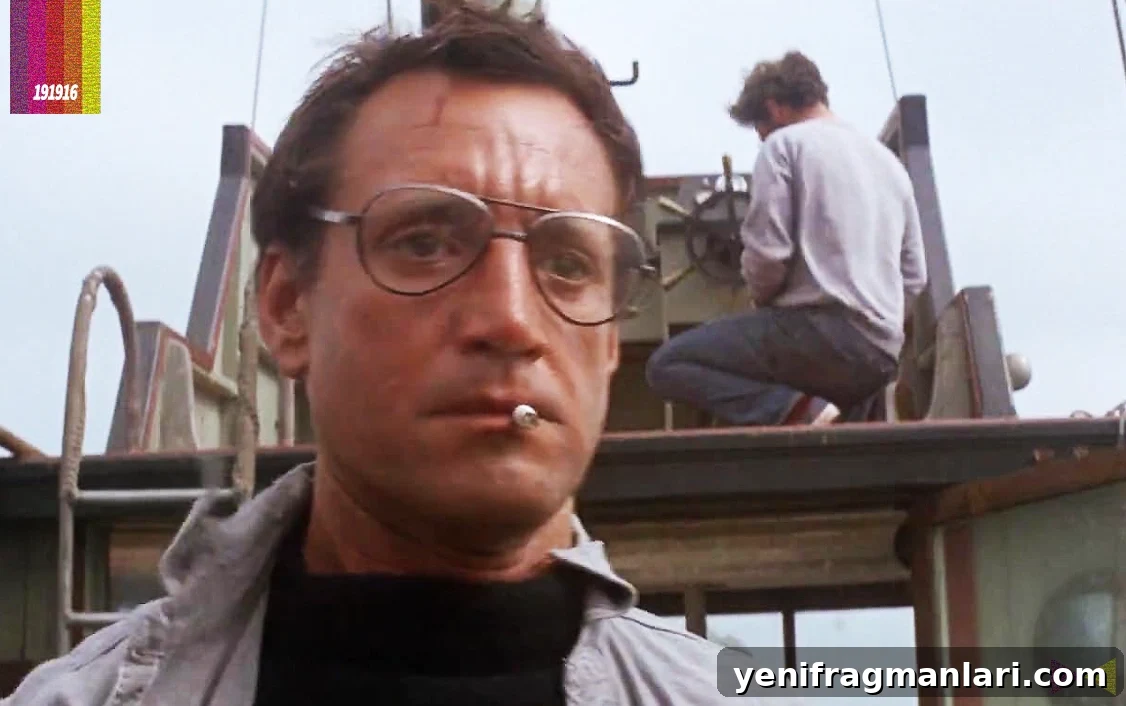
Jaws reinvented the summer blockbuster, but its lasting power comes from character and pacing. Spielberg gives us fully realized people — Chief Brody, Hooper, and Quint — whose relationships intensify the terror when disaster strikes.
Mechanical issues on set famously forced creative solutions that sharpened the film’s suspense: the unseen threat, paired with John Williams’ iconic score, builds dread more effectively than anything shown outright. Jaws remains a masterclass in tension and economical storytelling.
3. Vagabond (1985)
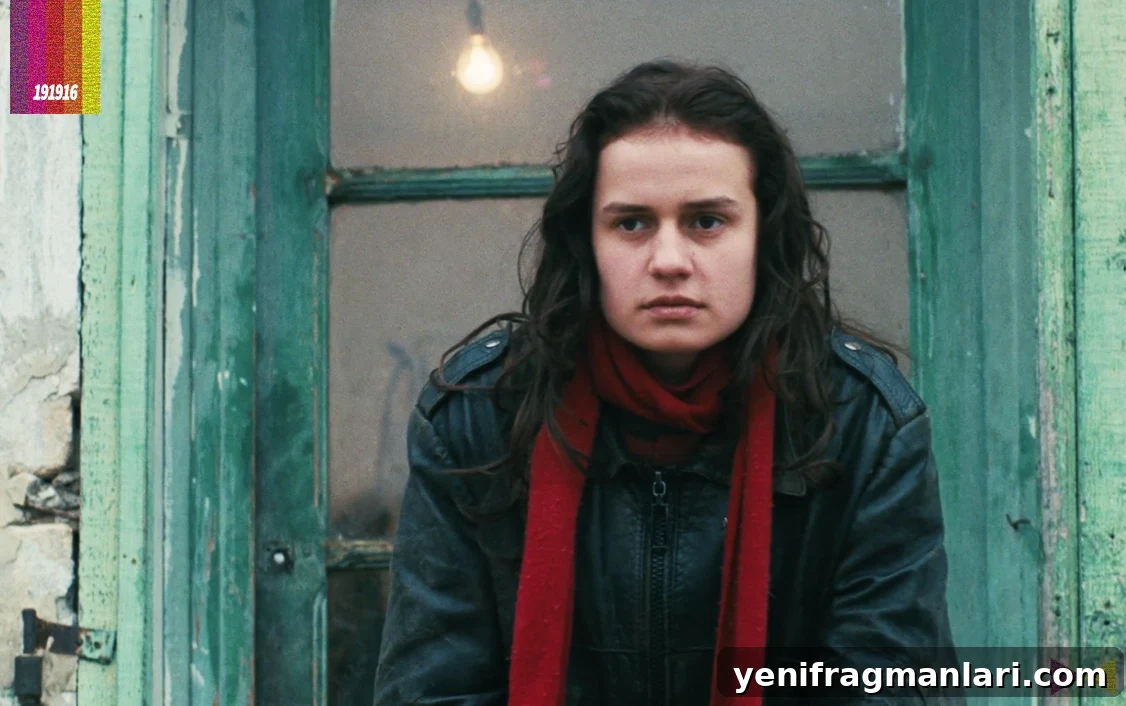
A masterful slow-burn from Agnès Varda, Vagabond blurs fiction and documentary to present a stark, compassionate portrait of a wandering woman’s final days. The film’s unadorned realism and small, revealing episodes create a mosaic of human behavior — kindness, cruelty, indifference — and build powerful emotional resonance without melodrama.
Sandrine Bonnaire’s Mona is enigmatic and feral; Varda’s patient camera invites empathy while refusing easy judgment. The result is a humane exploration of marginal lives and the quiet tragedies that often go unnoticed.
2. A Matter of Life and Death (1946)
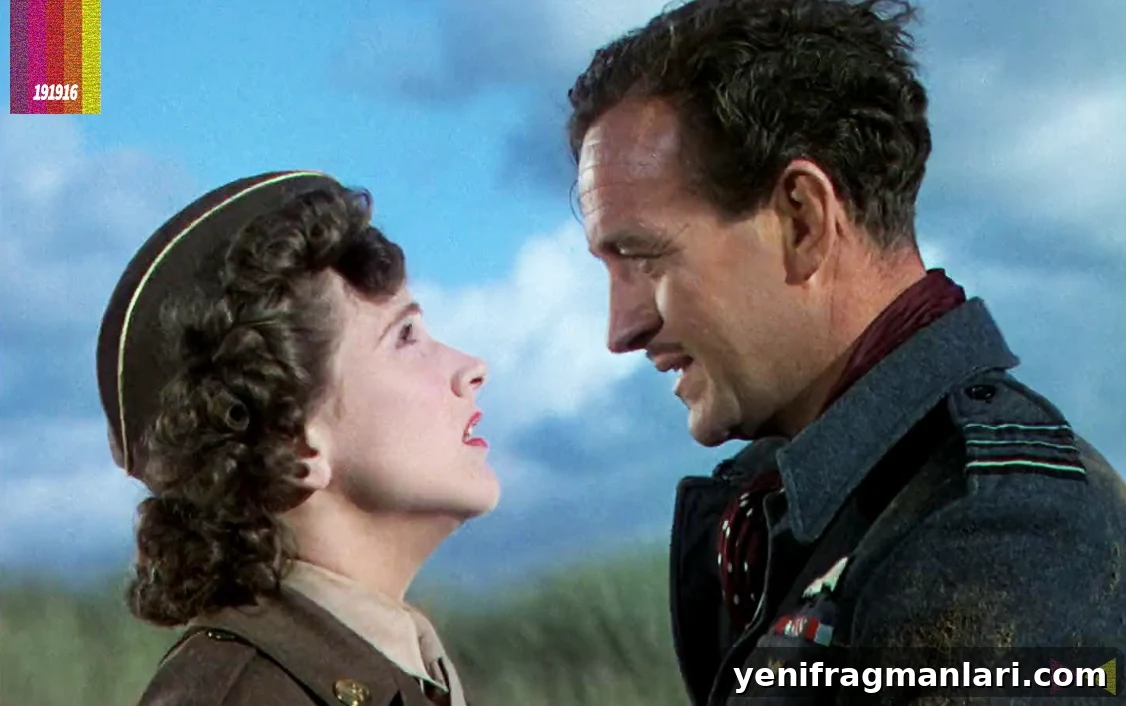
Powell and Pressburger’s A Matter of Life and Death combines whimsy, romance, and moral debate in a uniquely British fantasy. After a wartime pilot survives a miraculous fall, he must argue for his right to remain among the living at a celestial trial — and his fate depends on the love he’s found.
The film contrasts monochrome bureaucracy with technicolor life, weaving philosophical questions about duty, justice, and the power of love into a courtroom fable that still feels inventive and deeply humane.
1. Memories of Murder (2003)
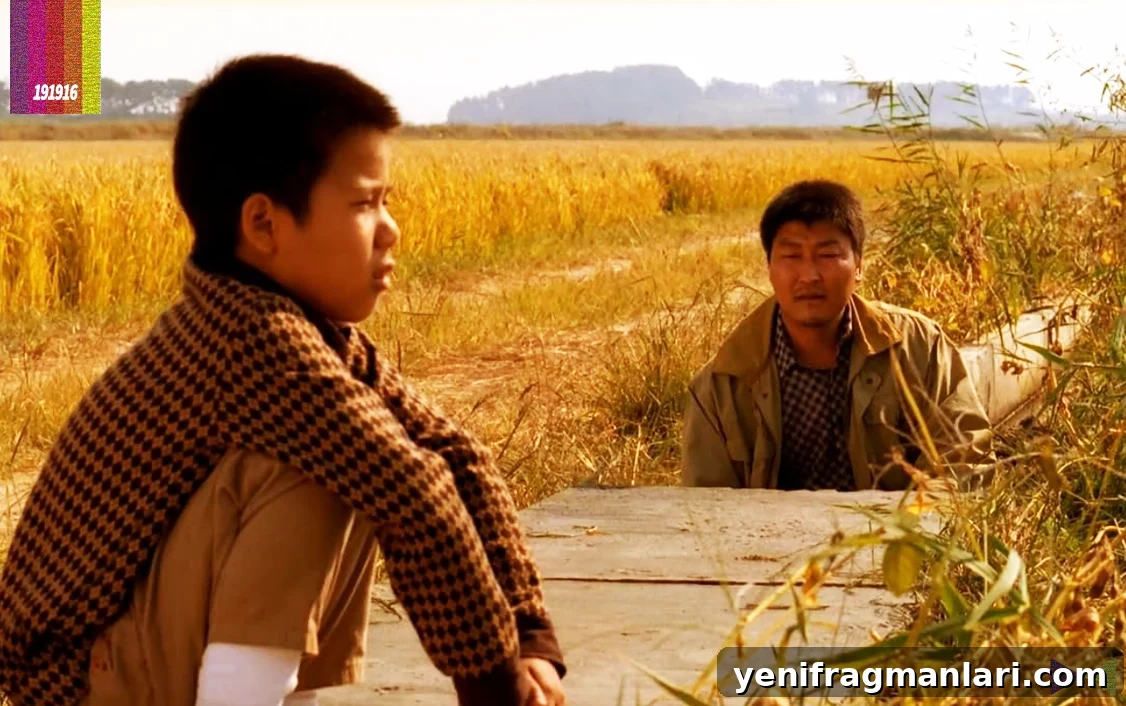
For me, Bong Joon-ho’s Memories of Murder is the greatest film. Years before Parasite became a global phenomenon, Bong made a haunting, darkly comic, and devastating true-crime drama rooted in 1980s South Korea’s turmoil.
Song Kang-ho leads a cast of flawed, often inept detectives pursuing a serial killer in a system stacked against them. Bong balances bleak humor with brutal moments, using dark comedy to critique a society in upheaval while maintaining deep empathy for his characters. The ambiguous, unresolved ending reinforces the film’s realism and culminates in one of cinema’s most unforgettable final images.
Pick this list up another day and it might look different—there are so many films I love that didn’t make the cut. I agonized over which animated work to include and left out favorites like Howl’s Moving Castle, Kubo and the Two Strings, The Iron Giant, Beauty and the Beast, Coco, and Mary and Max. I prefer Hellboy II as Guillermo del Toro’s most personal delight, even though Pan’s Labyrinth arguably makes a stronger case for cinema. Great directors such as Akira Kurosawa, Pedro Almodóvar, Mike Leigh, Wong Kar-Wai, Clio Barnard, Paul Verhoeven, Kelly Reichardt, and the Coen brothers also deserve space. Maybe next time I’ll expand this into a top 100.