
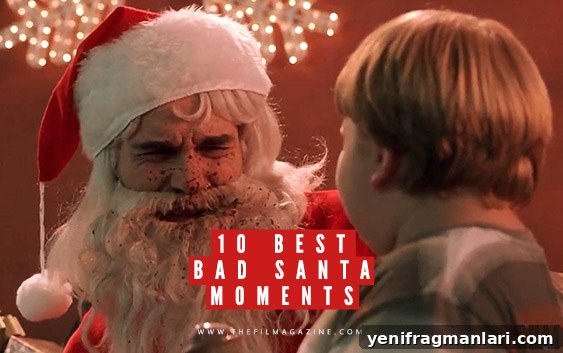
Bad Santa (2003) is a bold, subversive Christmas comedy starring Billy Bob Thornton and Tony Cox as Willie and Marcus, a renegade Santa and his partner in crime. They’re conmen, thieves and chaos-makers, and their ragged scheme centers on exploiting mall goodwill during the holidays. Marcus is the schemer and the planner; Willie is a world-weary, foul-mouthed Santa who behaves badly at every turn. Despite his vulgar exterior and terrible choices, Willie has an unlikely, tender friendship with a lonely child named Thurman Merman. That fragile bond provides the film’s unexpected heart, revealing that even the most jaded character can contain a small spark of goodness.
This curated Movie List looks at the 10 Best Bad Santa Moments, highlighting the scenes that best capture the film’s dark humor, shocking warmth and unforgettable performances. Below, each moment is examined for why it matters to the story, the characters and the film’s enduring cult appeal.
10. The Opening Credits
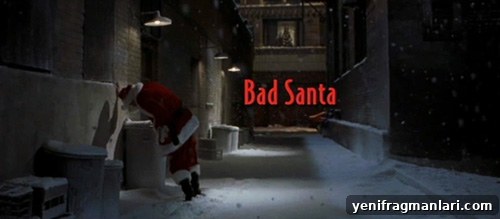
The film opens on a bruised, drunk Willie slumped at a bar, fully costumed as Santa and radiating contempt for everything around him. In seconds we understand who Willie is: miscast, miserable and defiantly inappropriate. The image of this dissolute Santa vomiting orange liquid onto fresh snow as the title appears sets an irreverent tone. That opening sequence announces that this is not a conventional holiday movie; it’s a film that will both shock and surprise, and it establishes the precise mix of comedy and discomfort that defines the movie.
9. Willie Beats Up the Bullies
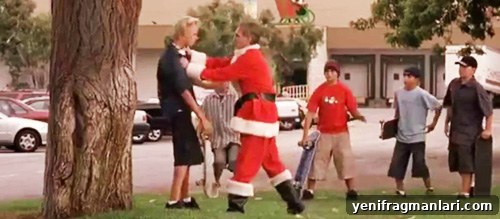
Usually slovenly and self-destructive, Willie becomes an unlikely protector when he defends Thurman from tormentors—still wearing his Santa suit. Seeing Kris Kringle pummel kids is shocking and oddly symbolic: this Santa defends the vulnerable, but does so in a clumsy, violent way that mirrors his own damaged soul. The scene contrasts Willie’s earlier suicidal isolation with his sudden, instinctive need to shield Thurman. It’s a messy, morally complicated moment that reveals the film’s central contradiction: a deeply flawed man capable of surprising compassion.
8. “Fuckstick”
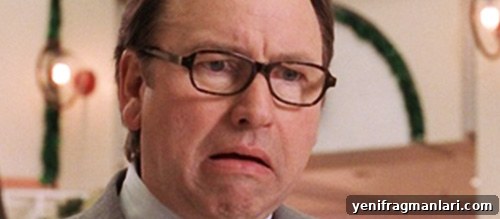
One of the movie’s funniest and most infamous exchanges occurs when Willie calls his new manager a shocking insult seconds after meeting him. The stunned reaction—especially from the mall manager, Bob Chipeska—sells the gag perfectly. That single crude word announces Willie’s complete disregard for social norms and sets up a recurring comic tension between his behavior and the expectations of the mall, the shoppers and the children who believe in Santa. The scene is a masterclass in character-driven comedy: an acute line of dialogue that reveals everything you need to know about Willie.
7. “Fuck Me, Santa”

Sue, the barmaid played by Lauren Graham, has a vivid Santa fetish and shows no qualms about pursuing Willie. Her exuberant, single-minded desire for Santa adds another layer of darkly comic romance to the film. When she straddles him in a car and demands he keep the hat on, the scene is both absurd and revealing: Sue is attracted to the symbol of Santa more than the man underneath, and Willie’s willingness to play along—however briefly—shows how his broken identity becomes entangled with the facade he must maintain for the con.
6. Gin Isn’t on the Up and Up
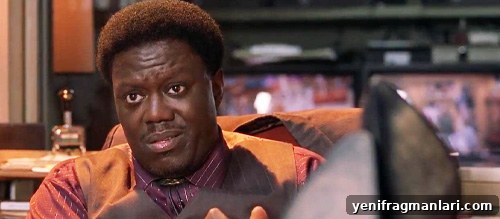
Bernie Mac’s Gin initially appears to be a straight-laced mall security officer, but a key scene reveals darker motives. Instead of turning Willie and Marcus in, Gin blackmails them, negotiating a cut of the loot. The awkward bargaining between Gin and Marcus intensifies the film’s sense of moral ambiguity: the criminals are prey and opportunists all at once. That deal drives a wedge between Willie and Marcus and becomes a crucial turning point in their partnership and in Willie’s eventual transformation.
5. Fixing Thurman’s Advent Calendar
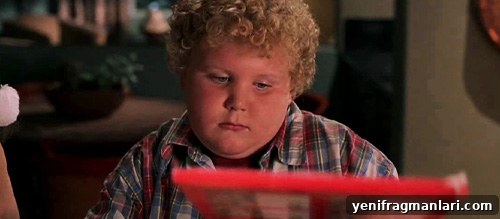
A tender beat in the film: Thurman climbs into bed with Willie to read a chapter of the Christmas story, and later Willie, in a drunken fog, destroys Thurman’s treasured advent calendar. The next morning, Willie secretly repairs it, replacing the lost piece with an odd candy corn. That small act of contrition, subtle and private, indicates Willie’s capacity for guilt and care. He may still be a bad Santa in many ways, but this quiet repair reveals a softer side and suggests that Thurman’s kindness is beginning to matter to him.
4. “Mrs. Santa’s Sister”
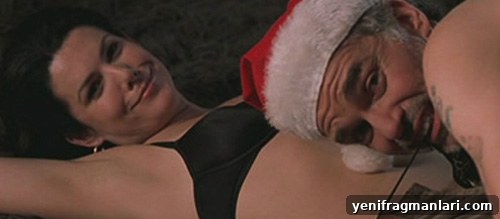
When Thurman walks in on Willie and Sue in an intimate moment, neither adult shows embarrassment. Sue lies on the floor in her underwear, and Thurman’s childlike interpretation—that Sue is “Mrs. Santa’s sister” and they need marriage counselling—reveals his innocent worldview. That offbeat misunderstanding is both funny and poignant: Thurman’s imagination reframes the messy adult world into a logic that makes sense to him, underscoring his vulnerability and the purity of his belief in the mythology surrounding Santa Claus.
3. “Is Granny Spry?”
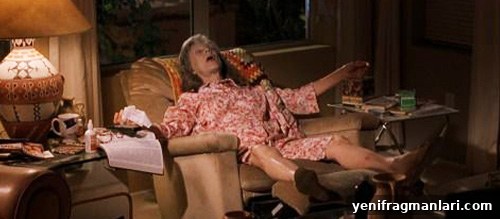
A devastating reveal in the film shows Thurman’s home life: his grandmother is frail and largely unable to care for him. We realize Thurman is effectively fending for himself, holding onto belief as a way to cope with neglect and loneliness. As Willie gears up for another heist and steals from Thurman’s house, the contrast between Thurman’s earnest hope and Willie’s callous theft is heartbreaking. Thurman cheerfully waves “bye Santa” as Willie drives away, an image that compounds the film’s bittersweet mixture of cruelty and affection.
2. The Pink Elephant
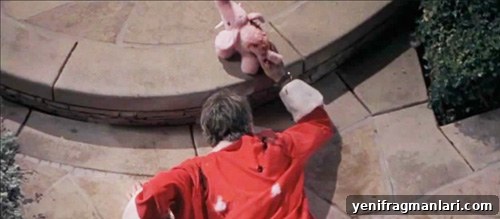
The film’s climactic sprint finds Willie clutching a pink elephant toy—meant for Thurman—as police gunfire rains down. Even though Thurman originally asked for a purple elephant, Willie grabs this toy as a desperate attempt to do right. The sequence is both heroic and tragic: it gives Willie a redemptive arc in miniature while reminding viewers that violence and consequence remain central to the story. The shot of children screaming and the chaos that follows makes the moment feel raw and real rather than sentimental.
1. Thurman’s Triumphant End
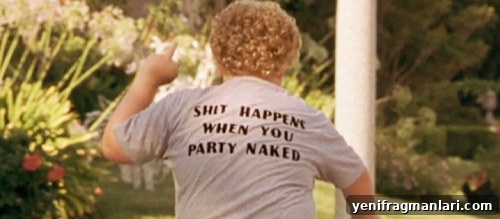
In the film’s final moments Thurman proudly displays his damaged, bullet-riddled toy and reads a letter supposedly from Santa. It’s a poignant twist: Willie’s narrated voice makes clear he hasn’t transformed completely—he remains the same in many ways—yet his actions have left a positive mark on Thurman. Willie’s clever ruse and narrow escape from the law combine with Thurman’s newfound confidence and defiance toward bullies. Watching Thurman ride away, middle finger raised, we see how profoundly he’s changed; the shy, lonely boy at the start of the film becomes someone more self-assured and resilient.
Have we chosen the best moments from Bad Santa? Which scenes stand out to you as the film’s most memorable? Share your thoughts below. This list celebrates a film that combines crude humor with genuine emotional beats, anchored by standout performances from Billy Bob Thornton, Tony Cox and the entire supporting cast.
Written by Martha Lane